In the ever-evolving cybersecurity landscape, the approach to defending networks has transformed significantly. Traditional, predominantly reactive methods are insufficient to combat today’s sophisticated threats. It’s like bringing a fly swatter to a sword fight—you need something more robust to deal with the threats lurking in the digital shadows. Threat detection is a proactive method of identifying and removing potential threats while they have a chance to cause harm due to their progress.
This blog provides an extensive overview of how artificial intelligence changes cybersecurity threat hunting.
Understanding the Concept of Threat Hunting in Cybersecurity
Threat detection is actively sorting over data, endpoints, and networks to identify and eliminate threats that could have missed traditional security procedures. Imagine it the cybersecurity version of a truffle hunt, yet instead of truffles being desirable things to find, you have risks instead. Threat hunting is a proactive approach toward identifying hidden or creating threats compared to reactive procedures that react to incidents after they occur. And unlike truffle hunters, you don’t need a sniffer dog—AI is your trusty sidekick.
The Shift from Reactive to Proactive Defense Strategies
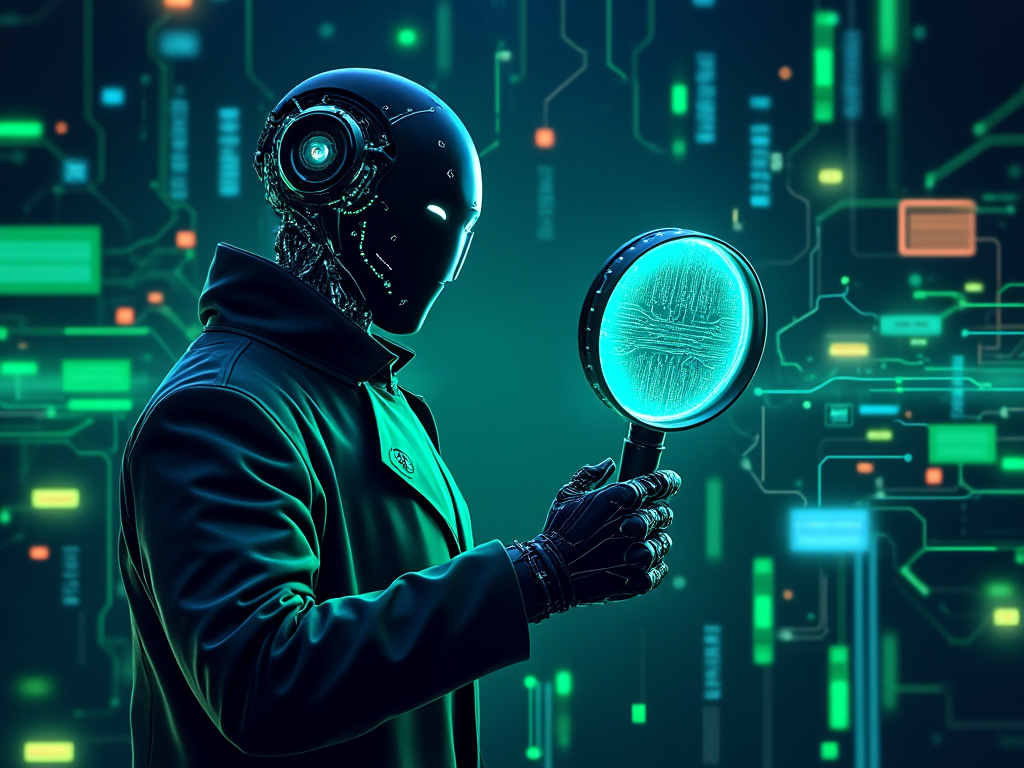
Defeating more skilled attackers contributes to the shift towards proactive defense techniques. As modern attackers frequently use novel, new strategies, traditional reactive defenses focus on identifying existing threats. The next phase in cybersecurity is threat hunting, which has been made possible by artificial intelligence (AI). It allows businesses to identify risks before they develop into full-blown attacks. It’s like setting a trap for the fox before it knows there’s a henhouse. AI contributes to the entire experience, making it seem like you’ve hired a cyber Sherlock Holmes who only has to find those annoying digital clues before they create havoc without worrying about pipe smoke or hat sizes.
The Role of AI in Modern Threat Hunting
As cyber threats grow in complexity, AI has become an essential tool in the cybersecurity arsenal. AI is transforming traditional threat-hunting methods by enhancing the speed, accuracy, and scope of threat detection and analysis. It’s like upgrading from a magnifying glass to a high-powered telescope—suddenly, you can see much more and faster.
How AI is Transforming Traditional Threat Hunting Methods
AI-driven threat hunting leverages machine learning and other advanced technologies to analyze massive amounts of data, detect patterns, and identify anomalies that may indicate a security threat. By automating these processes, AI allows threat hunters to focus on more strategic tasks, such as investigating high-priority alerts and developing countermeasures. In other words, AI handles the heavy lifting, leaving humans free to do what they do best—like explaining cybersecurity to the board of directors.
The Benefits of AI-Driven Threat Hunting in Cybersecurity
AI offers numerous benefits in threat hunting, including:
- Increased Speed: AI can analyze and process data at speeds far beyond human capability, enabling faster threat detection and response. It’s like having a caffeine-fueled intern who never sleeps or takes coffee breaks.
- Enhanced Accuracy: By learning from past incidents, AI can improve its detection accuracy over time, reducing the number of false positives and negatives. Think of it as a digital bloodhound that gets better with every scent it catches.
- Scalability: AI-driven threat hunting can scale to monitor large and complex networks, making it suitable for organizations of all sizes. Whether guarding a single laptop or a sprawling network, AI covers you.
Key AI Techniques Used in Threat Hunting
AI employs several techniques to enhance threat hunting, each contributing to identifying and mitigating cyber threats.
- Anomaly Detection: This involves identifying deviations from normal behavior within a network or system. AI can analyze vast amounts of data to detect subtle anomalies, such as unusual login times or abnormal data transfers, indicating a potential threat. It’s like noticing someone replacing your morning coffee with decaf—something’s off.
- Behavioral Analysis: The main goal is understanding normal user and system behavior. AI can identify unusual activity, such as illegal access attempts or shifts in user behavior patterns, that might suggest a security breach by creating a baseline of what can be considered “normal.” It’s like having a digital bodyguard who knows your habits better than your significant other.
- Predictive Analytics: It uses machine learning and previous data to identify potential dangers. Artificial intelligence (AI) can foresee potential threats and offer proactive steps to reduce them before they appear by examining past events and identifying patterns. It’s like predicting a plot twist in a movie—if you’ve seen enough films, you know when to brace yourself.
AI vs. Human Threat Hunters: A Collaborative Approach
While AI offers significant advantages in threat hunting, it is not a replacement for human expertise. Instead, the most effective threat-hunting strategies involve AI and human threat-hunters collaborating.
- The Strengths of AI in Data Processing and Analysis: AI is especially efficient at fast and accurate sorting through massive amounts of data. It is an essential resource for improving threat detection as it can spot anomalies and patterns that human analysts might overlook. Luckily, it is similar to having a supercomputer for a brain without the existential crises.
- The Importance of Human Intuition and Expertise: Despite AI’s strengths, human intuition and expertise are critical in threat hunting. Experienced analysts can interpret AI-generated data, understand the broader context, and make judgment calls that AI may not be capable of. This human insight is particularly important when dealing with complex or novel threats. After all, sometimes you need a human touch—preferably one not holding a cup of cold coffee.
Challenges and Considerations in AI-Driven Threat Hunting
- The Potential Pitfalls of Relying Solely on AI: An overreliance on AI might result in a false impression of security and comfort. Since AI systems are restricted by the data they are educated on, they may need help to cope with novel or new risks beyond the scope of their training. To reduce such risks, it’s essential to establish a balance between human control and AI. Remember that every great investigator needs a sidekick.
- Addressing False Positives and Negatives: AI-driven threat-hunting systems may generate false positives (alerts for non-threatening activities) or false negatives (failing to detect real threats). Regular tuning and updating of AI models and human oversight are essential to minimizing these issues and ensuring accurate threat detection. It’s like trying to tell the difference between a wolf and a very enthusiastic dog—sometimes, it takes a second look.
- The Need for Continuous Learning and Adaptation: Cyber threats are constantly evolving, and so must AI systems. Continuous learning and adaptation are necessary to keep AI-driven threat-hunting systems effective. This requires ongoing monitoring, updates, and retraining of AI models to keep pace with emerging threats. It’s like hitting the gym regularly—if you stop, you lose your edge, and no one wants a flabby cybersecurity system.
In conclusion, AI establishes itself as the ultimate investigator in cybersecurity, providing threat hunting with unmatched scale, speed, and accuracy. AI’s ability to outsmart fraudsters makes it a real Sherlock Holmes of the digital age, although it may not have the unique deerstalker hat. AI-driven threat hunting will continue to be an essential aspect of proactive cyber defense as cyber threats change, keeping businesses one step ahead of attackers.
Security, AI Risk Management, and Compliance with Akitra!
In the competitive landscape of SaaS businesses, trust is paramount amidst data breaches and privacy concerns. Akitra addresses this need with its leading AI-powered Compliance Automation platform. Our platform empowers customers to prevent sensitive data disclosure and mitigate risks, meeting the expectations of customers and partners in the rapidly evolving landscape of data security and compliance. Through automated evidence collection and continuous monitoring, paired with customizable policies, Akitra ensures organizations are compliance-ready for various frameworks such as SOC 1, SOC 2, HIPAA, GDPR, PCI DSS, ISO 27001, ISO 27701, ISO 27017, ISO 27018, ISO 9001, ISO 13485, ISO 42001, NIST 800-53, NIST 800-171, NIST AI RMF, FedRAMP, CCPA, CMMC, SOX ITGC, and more such as CIS AWS Foundations Benchmark, Australian ISM and Essential Eight etc. In addition, companies can use Akitra’s Risk Management product for overall risk management using quantitative methodologies such as Factorial Analysis of Information Risks (FAIR) and qualitative methods, including NIST-based for your company, Vulnerability Assessment and Pen Testing services, Third Party Vendor Risk Management, Trust Center, and AI-based Automated Questionnaire Response product to streamline and expedite security questionnaire response processes, delivering huge cost savings. Our compliance and security experts provide customized guidance to navigate the end-to-end compliance process confidently. Last but not least, we have also developed a resource hub called Akitra Academy, which offers easy-to-learn short video courses on security, compliance, and related topics of immense significance for today’s fast-growing companies.
Our solution offers substantial time and cost savings, including discounted audit fees, enabling fast and cost-effective compliance certification. Customers achieve continuous compliance as they grow, becoming certified under multiple frameworks through a single automation platform.
Build customer trust. Choose Akitra TODAY!To book your FREE DEMO, contact us right here.