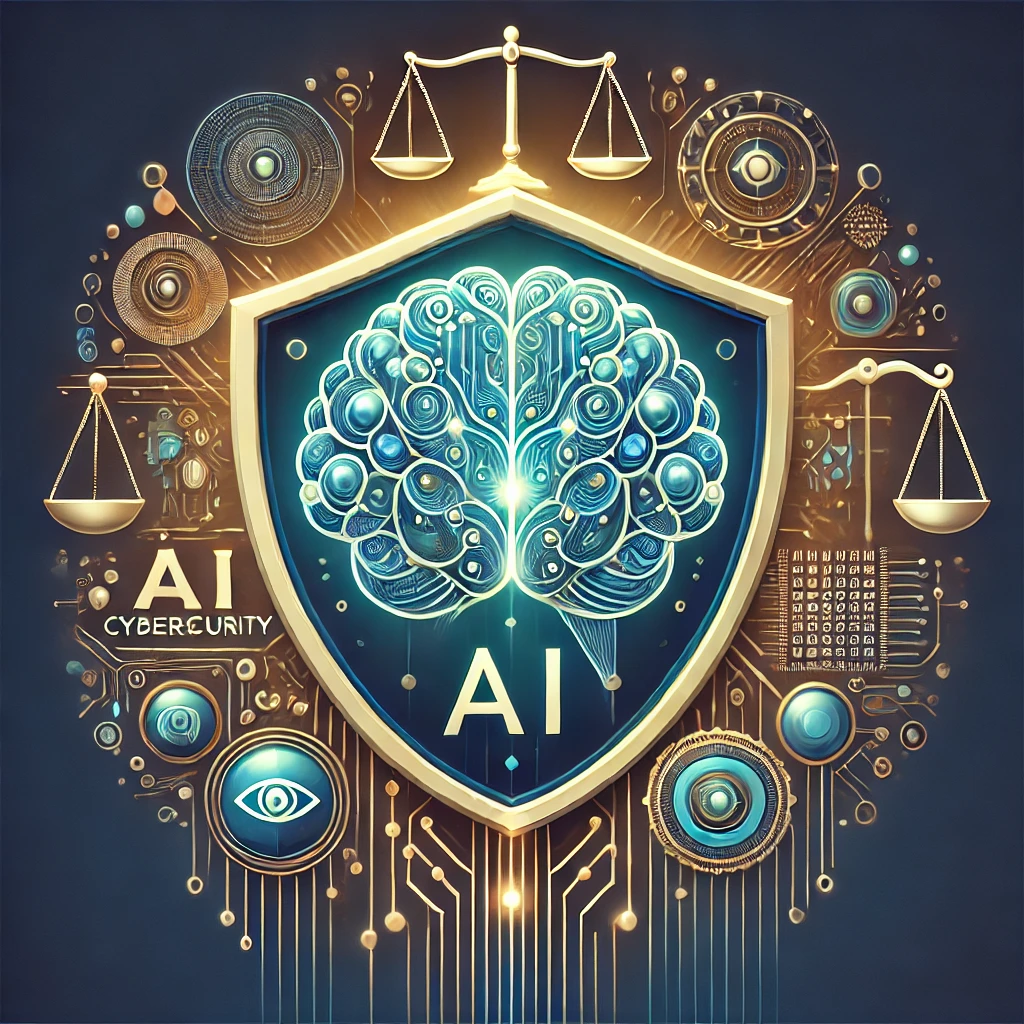
Artificial intelligence (AI) has truly stepped up its game in cybersecurity. Imagine having a digital guard dog that keeps watch and learns from everything it encounters. That’s the power of AI in this field! Organizations use AI to strengthen their defenses, detect threats more quickly, and streamline their cyberattack response. AI enables faster and more efficient risk management by analyzing vast data and identifying patterns.
This blog explores the importance of AI governance in cybersecurity and how organizations can ensure the ethical and secure deployment of AI technologies.
Understanding AI in Cybersecurity
Machine learning and deep learning are AI-driven technologies that help systems process large volumes of data, spot patterns, and make decisions much faster than human analysts. Artificial intelligence (AI) transforms cybersecurity by automating responses to risks, detecting unusual activity, and even foreseeing possible dangers before they occur.
While AI has various perks, such as better efficiency and faster risk identification, it also has challenges. Without proper oversight, these systems can be misused or make errors. Strong governance and ethical frameworks ensure AI technologies are used responsibly and effectively.
Key Challenges of AI in Cybersecurity
- Bias and Discrimination: AI systems learn from historical data, sometimes including biases. If not addressed, these systems can unintentionally perpetuate unfairness. For example, a security system might highlight certain demographics as high-risk simply because of biased training data, leading to unjust outcomes.
- Lack of Transparency and Accountability: AI models, especially complex ones like deep learning, often operate like a “black box,” making it hard to understand how decisions are made. This lack of clarity creates challenges in holding systems accountable, especially when they are used to make critical security decisions.
- Data Privacy Concerns: AI relies on large datasets, which often contain sensitive information. Organizations must carefully balance using this data to improve security, protect individuals’ privacy, and comply with GDPR.
- Adversarial Attacks: Cybercriminals can trick AI systems by feeding them misleading data. For instance, attackers might manipulate inputs to bypass an AI-powered cybersecurity tool, reducing its effectiveness and putting systems at risk.
- Keeping Up with Rapid Changes: AI technology evolves quickly, and governance frameworks often lag. This makes it challenging for organizations to address new risks and ethical concerns in real time. Being adaptable and proactive is key to managing these changes effectively.
Principles of AI Governance in Cybersecurity
To ensure ethical and secure AI deployment, organizations should adopt the following governance principles:
- Transparency: AI systems should be designed to explain their decisions clearly. This helps organizations and users understand algorithms, fostering trust and accountability.
- Fairness: Ensuring fairness in AI is essential. Organizations need to identify and address biases in data that could lead to discriminatory outcomes. Regular reviews and audits can ensure that AI tools are equitable and unbiased.
- Accountability: Assign clear responsibility for monitoring AI systems and addressing any issues. Defining roles ensures that ethical concerns are managed effectively and errors or impacts can be addressed promptly.
- Data Protection: Protecting personal data is important. Businesses should adhere to privacy regulations and use techniques like anonymization to secure important data while maintaining compliance with laws.
- Robust Security: AI systems must be safeguarded against threats like adversarial attacks through regular security assessments and updates to keep them resilient against exploitation.
- Stakeholder Involvement: Engage employees, customers, and regulators in discussions about AI use. Diverse input can uncover possible issues and improve the overall governance framework.
- Continuous Monitoring: AI systems should be continuously monitored for performance and ethical implications. As technology evolves, organizations must adapt their governance strategies to keep up.
In conclusion, establishing a comprehensive governance framework becomes vital as businesses rapidly depend on AI to strengthen their cybersecurity defenses. Organizations can harness AI’s power while mitigating the associated risks by prioritizing transparency, fairness, accountability, and data protection. The journey to ethical and secure AI deployment is ongoing. Organizations must proactively address new challenges and adapt governance practices to ensure AI strengthens cybersecurity. AI can create a safer digital environment for all with the right strategies.
Security, AI Risk Management, and Compliance with Akitra!
In the competitive landscape of SaaS businesses, trust is paramount amidst data breaches and privacy concerns. Akitra addresses this need with its leading AI-powered Compliance Automation platform. Our platform empowers customers to prevent sensitive data disclosure and mitigate risks, meeting the expectations of customers and partners in the rapidly evolving landscape of data security and compliance. Through automated evidence collection and continuous monitoring, paired with customizable policies, Akitra ensures organizations are compliance-ready for various frameworks such as SOC 1, SOC 2, HIPAA, GDPR, PCI DSS, ISO 27001, ISO 27701, ISO 27017, ISO 27018, ISO 9001, ISO 13485, ISO 42001, NIST 800-53, NIST 800-171, NIST AI RMF, FedRAMP, CCPA, CMMC, SOX ITGC, and more such as CIS AWS Foundations Benchmark, Australian ISM and Essential Eight etc. In addition, companies can use Akitra’s Risk Management product for overall risk management using quantitative methodologies such as Factorial Analysis of Information Risks (FAIR) and qualitative methods, including NIST-based for your company, Vulnerability Assessment and Pen Testing services, Third Party Vendor Risk Management, Trust Center, and AI-based Automated Questionnaire Response product to streamline and expedite security questionnaire response processes, delivering huge cost savings. Our compliance and security experts provide customized guidance to navigate the end-to-end compliance process confidently. Last but not least, we have also developed a resource hub called Akitra Academy, which offers easy-to-learn short video courses on security, compliance, and related topics of immense significance for today’s fast-growing companies.
Our solution offers substantial time and cost savings, including discounted audit fees, enabling fast and cost-effective compliance certification. Customers achieve continuous compliance as they grow, becoming certified under multiple frameworks through a single automation platform.
Build customer trust. Choose Akitra TODAY!To book your FREE DEMO, contact us right here.