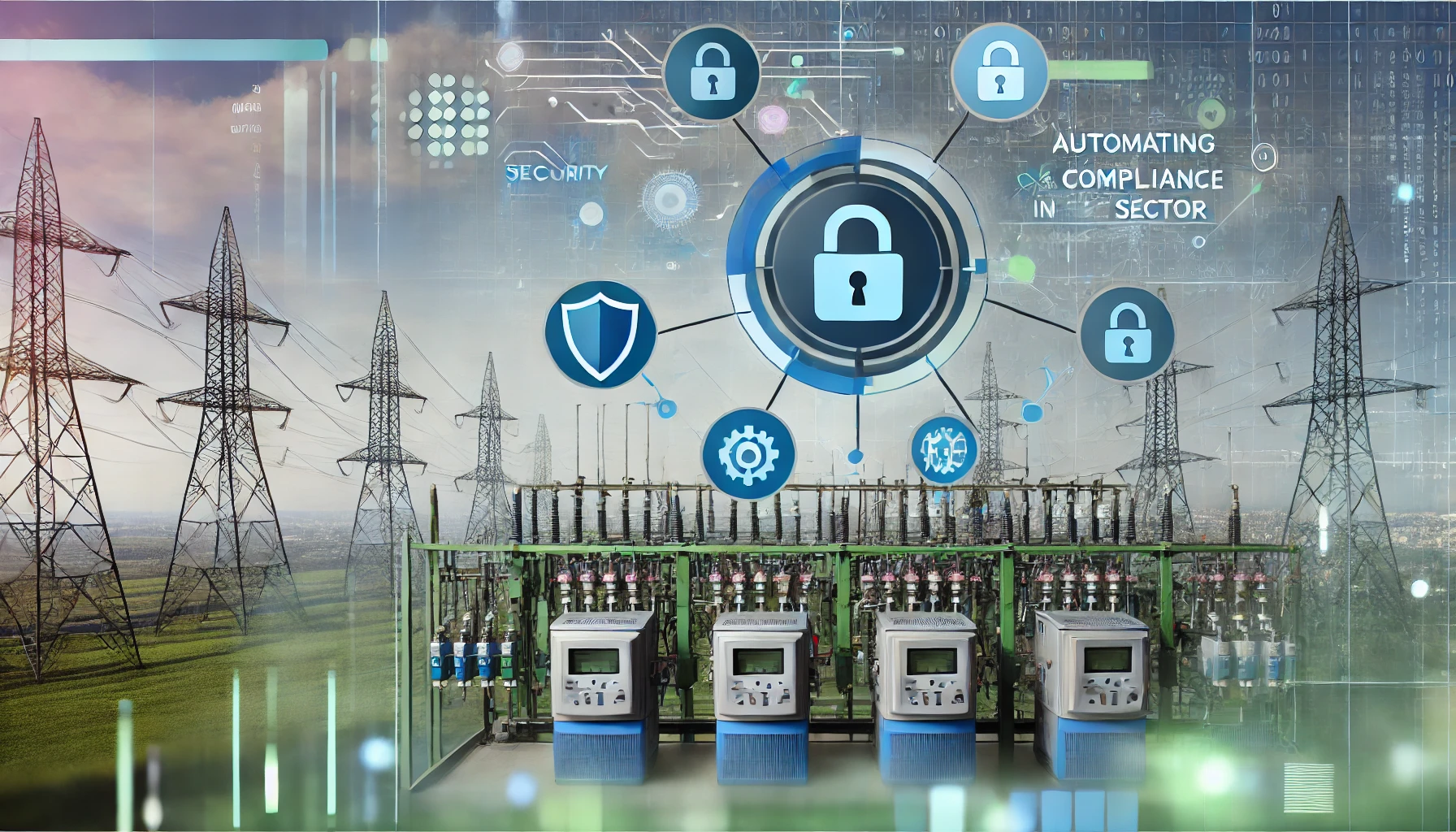
The energy sector is going through a big change as it brings smart grid technology. This promises to make things work better, be more reliable, and last longer. However, this change also brings big cybersecurity risks. To protect important systems, we need strong rules everyone must follow. This blog looks at how smart grids and cybersecurity come together. It stresses why it’s crucial to make following rules automatic to keep the energy sector safe.
Smart Grids and Why They Matter in Energy
Smart grids bring traditional power networks into the digital age. They allow utilities and consumers to talk back and forth. This tech helps us watch, study, and control how we distribute electricity. As a result, we use energy better, have fewer blackouts, and can add more clean energy sources. We need smart grids to meet our growing need for power and to reach our goals for a greener future.
Cybersecurity Issues in Smart Grids
Smart grids’ connected nature makes them vulnerable to cybersecurity risks such as cyber-attacks, data breaches, and operational disruptions. These risks can come from many sources, including bad actors inside threats and even natural disasters. The possible outcomes involve money losses, exposed consumer data, and risks to national security, showing why we need strong cybersecurity measures immediately.
How Compliance Boosts Smart Grid Security
Following cybersecurity rules and standards plays a key role in protecting smart grid systems. It ensures companies use the best methods and put in place needed security controls to lower risks. Compliance frameworks offer a clear way to spot weak points, check risks, and set up safeguards, making smart grids more secure overall.
Key Regulations and Standards for Cybersecurity in the Energy Sector
Several regulations and standards guide cybersecurity practices in the energy sector. Notable ones include:
- NERC CIP (North American Electric Reliability Corporation Critical Infrastructure Protection): It is a set of requirements designed to secure the assets critical to running North America’s bulk electric system.
- NIST Cybersecurity Framework: This framework provides a comprehensive set of guidelines for managing and reducing cybersecurity risk, with a focus on protecting critical infrastructure.
- ISO/IEC 27001: An international information security management standard applicable to various sectors, including energy.
These standards help organizations establish a baseline for security measures and ensure compliance with legal and regulatory requirements.
Automating Compliance: Benefits and Challenges
Automating compliance processes offers several benefits, including improved efficiency, consistency, and accuracy in meeting regulatory requirements. Automation tools can streamline risk assessments, incident response, and reporting, reducing the manual workload and minimizing human error. However, challenges such as integration with existing systems, the complexity of regulations, and the need for continuous updates to reflect changing compliance landscapes must be addressed.
Integrating Cybersecurity Measures into Smart Grid Infrastructure
Effective integration of cybersecurity measures involves implementing multi-layered defenses, including:
- Network Segmentation: Isolating critical systems from less secure networks to prevent lateral movement in case of a breach.
- Intrusion Detection and Prevention Systems (IDPS): Monitoring network traffic for suspicious activities and automatically taking action to prevent intrusions.
- Regular Security Audits and Penetration Testing: Identifying and addressing vulnerabilities before they can be exploited.
Best Practices for Managing Cybersecurity Risks in Smart Grids
To manage cybersecurity risks effectively, organizations should adopt best practices such as:
- Continuous Monitoring: Implementing real-time monitoring systems to promptly detect and respond to threats.
- Employee Training and Awareness: Ensuring staff are educated on cybersecurity risks and best practices to prevent social engineering attacks.
- Incident Response Planning: Developing and regularly updating incident response plans to handle potential security breaches efficiently.
Collaborations and Partnerships for Strengthening Cybersecurity in the Energy Sector
Collaboration between public and private sectors, including government agencies, energy companies, and cybersecurity experts, is essential for strengthening cybersecurity in the energy sector. Information sharing, joint threat intelligence, and coordinated response efforts can enhance the collective ability to prevent and respond to cyber threats.
The convergence of smart grids and cybersecurity is a critical area of focus for the energy sector, given the increasing reliance on digital technologies and the associated risks. Automating compliance processes is a key strategy for managing these risks, ensuring that organizations can efficiently and effectively meet regulatory requirements while protecting their infrastructure. As the energy sector evolves, ongoing collaboration, innovation, and adherence to best practices will safeguard the grid and ensure a secure, reliable energy future.
Security, AI Risk Management, and Compliance with Akitra!
In the competitive landscape of SaaS businesses, trust is paramount amidst data breaches and privacy concerns. Akitra addresses this need with its leading AI-powered Compliance Automation platform. Our platform empowers customers to prevent sensitive data disclosure and mitigate risks, meeting the expectations of customers and partners in the rapidly evolving landscape of data security and compliance. Through automated evidence collection and continuous monitoring, paired with customizable policies, Akitra ensures organizations are compliance-ready for various frameworks such as SOC 1, SOC 2, HIPAA, GDPR, PCI DSS, ISO 27001, ISO 27701, ISO 27017, ISO 27018, ISO 9001, ISO 13485, ISO 42001, NIST 800-53, NIST 800-171, NIST AI RMF, FedRAMP, CCPA, CMMC, SOX ITGC, and more such as CIS AWS Foundations Benchmark, Australian ISM and Essential Eight etc. In addition, companies can use Akitra’s Risk Management product for overall risk management using quantitative methodologies such as Factorial Analysis of Information Risks (FAIR) and qualitative methods, including NIST-based for your company, Vulnerability Assessment and Pen Testing services, Third Party Vendor Risk Management, Trust Center, and AI-based Automated Questionnaire Response product to streamline and expedite security questionnaire response processes, delivering huge cost savings. Our compliance and security experts provide customized guidance to navigate the end-to-end compliance process confidently. Last but not least, we have also developed a resource hub called Akitra Academy, which offers easy-to-learn short video courses on security, compliance, and related topics of immense significance for today’s fast-growing companies.
Our solution offers substantial time and cost savings, including discounted audit fees, enabling fast and cost-effective compliance certification. Customers achieve continuous compliance as they grow, becoming certified under multiple frameworks through a single automation platform.
Build customer trust. Choose Akitra TODAY! To book your FREE DEMO, contact us right here.