Cybersecurity threats are evolving, and so are the methods used to protect systems and sensitive data. One of the most cutting-edge approaches in this domain is behavioral biometrics. Unlike traditional biometrics that rely on physical attributes like fingerprints or retina scans, behavioral biometrics focuses on unique patterns in user behavior. In this blog, we’ll explore how behavioral biometrics is advancing authentication methods, enhancing cybersecurity, and its role in modern authentication frameworks.
Introduction to Behavioral Biometrics in Cybersecurity
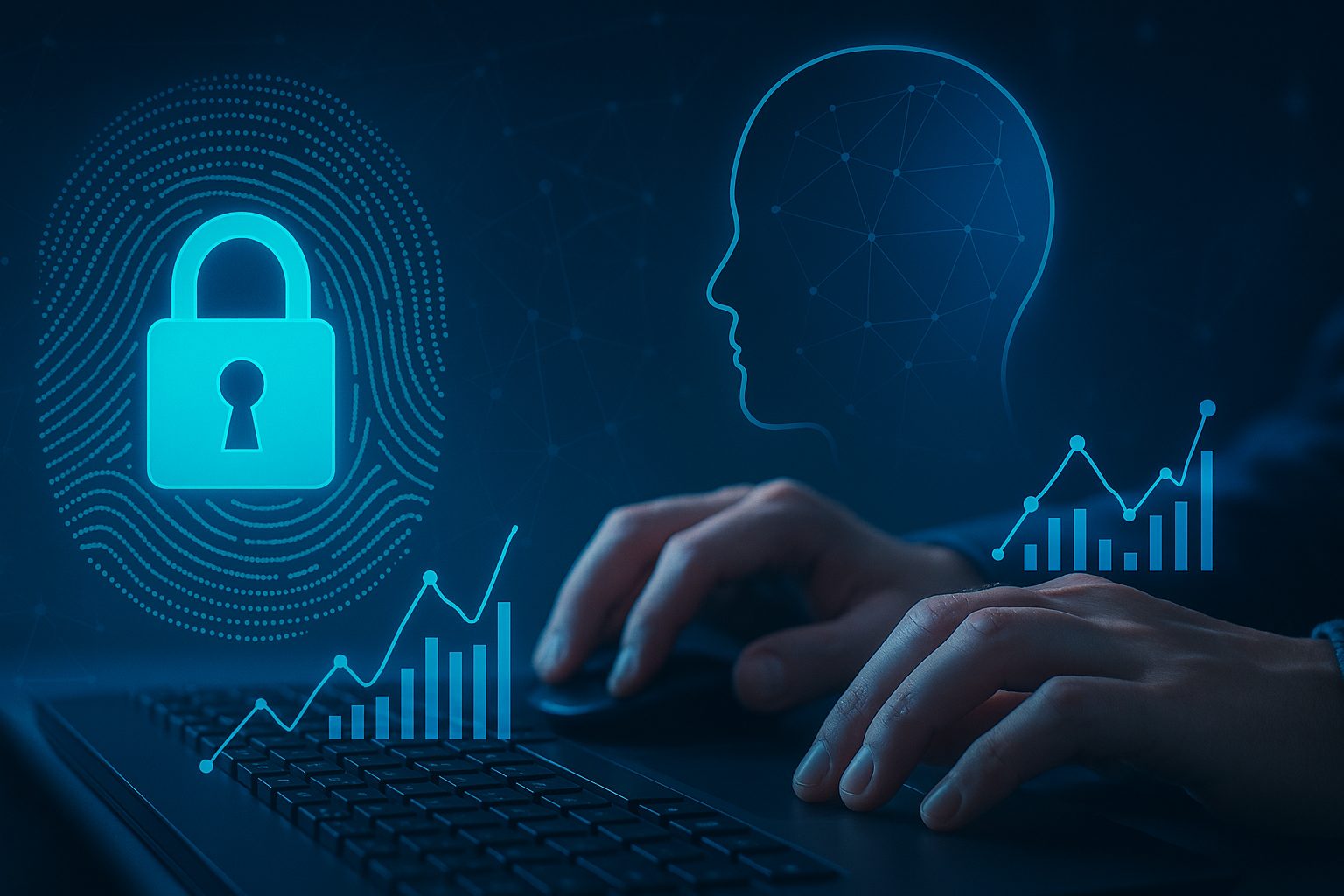
Behavioral biometrics is an innovative authentication method that utilizes a user’s distinct behavioral patterns for identification. This technology assesses traits such as typing speed, mouse movements, and touchscreen interactions to create a profile that is challenging to imitate. As cybercriminals evolve, these advanced biometric techniques present a strong solution for detecting and preventing unauthorized access.
Behavioral biometrics goes beyond just an additional security layer; it offers continuous authentication, ensuring that the individual interacting with a system remains consistent throughout the session. This feature revolutionizes how organizations approach cybersecurity, especially in industries where strict data protection is crucial, like finance and healthcare.
How Behavioral Biometrics Differ from Traditional Biometrics
Traditional biometric systems rely on static, physical identifiers such as fingerprints, facial recognition, or retina scans. While these methods are effective, they can still be vulnerable to spoofing or duplication. In contrast, behavioral biometrics focuses on how a user engages with devices and applications, making it much harder to fake or steal. For example, although a fingerprint can be copied, mimicking someone’s unique typing rhythm or mouse movement is significantly more difficult. Key Differences:
- Dynamic vs. Static: Traditional biometrics are static (unchanging physical traits), while behavioral biometrics are dynamic (depending on user actions).
- Continuous Monitoring: Behavioral biometrics offers ongoing monitoring, whereas traditional methods authenticate only once per session.
- Difficult to Spoof: Imitating behavioral traits is considerably more challenging than duplicating fingerprints or facial images.
Key Features of Behavioral Biometrics: Typing Patterns, Mouse Movements, and More
Behavioral biometrics is based on the distinct ways individuals engage with technology. Some of the key features that are often measured include:
1. Typing Patterns
- Speed of typing
- Time intervals between keystrokes
- The pressure exerted on keys
2. Mouse Movements
- Cursor speed
- Direction and acceleration
- Clicking patterns
3. Touchscreen Interactions
- Swipe gestures
- Pressure and duration of touches
- Finger movements across the screen
When these elements are combined, they form a detailed profile of a user’s behavior. This profile can be utilized to verify a user’s identity continuously throughout a session.
The Role of Machine Learning in Behavioral Biometric Authentication
Machine learning serves as the foundation for behavioral biometrics. It allows systems to learn and adapt to each user’s behavior over time, enhancing accuracy and minimizing false positives. Sophisticated machine learning models analyze the gathered data to create a comprehensive behavioral profile and consistently compare current interactions with that profile to identify any anomalies.
For instance, if a user types significantly slower than usual or exhibits different mouse movements, the system can flag this as suspicious activity, leading to additional verification steps. By leveraging machine learning algorithms, behavioral biometrics can evolve and improve over time, establishing themselves as a dependable long-term solution for cybersecurity.
Enhancing User Authentication with Continuous Behavioral Monitoring
Traditional authentication methods, such as passwords or one-time biometric scans, serve as point-in-time checks. Once authenticated, users maintain access for the duration of their session. Behavioral biometrics introduces the idea of continuous authentication, which consistently verifies the user’s identity throughout the session.
Key Benefits of Continuous Monitoring:
- Detect Unauthorized Access: If an unauthorized user takes control mid-session, their behavioral patterns will differ, prompting a security response.
- Reduced User Disruption: Continuous authentication operates in the background, minimizing the need for constant password or multi-factor authentication (MFA) prompts.
- Proactive Security: Systems can identify potential threats in real time and respond immediately, lowering the risk of a breach.
Benefits of Behavioral Biometrics for Cybersecurity
Integrating behavioral biometrics into your cybersecurity framework offers numerous advantages, especially enhancing fraud detection and preventing account takeovers. Here are some key benefits:
- Reduced Identity Theft Risk: Behavioral traits are more challenging to replicate, making it harder for cybercriminals to impersonate legitimate users.
- Improved User Experience: Continuous monitoring lessens the need for frequent interruptions, such as MFA prompts, thereby enhancing the overall user experience.
- Real-Time Threat Detection: Behavioral biometrics provide immediate alerts when suspicious activity is detected, allowing prompt action.
- Scalability: Machine learning ensures that the system adapts to each user over time, improving scalability and accuracy.
Addressing Privacy and Ethical Concerns in Behavioral Biometrics
Behavioral biometrics provides significant security advantages but also brings up important issues regarding privacy and data ethics. Since behavioral data is continuously collected, organizations need to manage this information carefully. Key Privacy Concerns:
- Data Ownership: Who has the rights to the behavioral data—the individual or the organization?
- Transparency: Users should be aware that their behavioral patterns are being tracked.
- Security of Behavioral Data: Similar to other sensitive information, behavioral data needs to be encrypted and safeguarded against unauthorized access.
Integration of Behavioral Biometrics with Multi-Factor Authentication (MFA)
Although behavioral biometrics is effective, its power is amplified when paired with multi-factor authentication (MFA). MFA enhances security by requiring several verification methods, such as passwords, fingerprints, and behavioral patterns.
Incorporating behavioral biometrics into an MFA framework ensures that even if a password is breached, the user’s distinct behaviors will serve as an extra layer of protection. This approach is especially beneficial in industries where security is critical, such as banking and healthcare.
Real-World Applications of Behavioral Biometrics in Various Industries
Behavioral biometrics is increasingly being utilized across numerous sectors, especially those that handle sensitive data and financial transactions. Here are some examples:
- Banking: It identifies and prevents fraud by analyzing user behavior during online banking activities.
- Healthcare: It ensures that only authorized individuals can access confidential patient information.
- E-commerce: It detects unusual behavior during online transactions, aiding in fraud prevention.
- Government: It plays a crucial role in protecting sensitive information and communications within government entities.
Challenges in Implementing Behavioral Biometrics for Authentication
While there are clear advantages, several challenges remain in the effective implementation of behavioral biometrics:
- Accuracy: There can be false positives, particularly when a user’s behavior shifts due to stress or health issues.
- Cost: Setting up and maintaining a behavioral biometric system requires significant infrastructure investment and continuous machine learning enhancements.
- User Acceptance: Some individuals may feel uneasy about constant monitoring, leading to privacy and data usage concerns.
The Evolution of Behavioral Biometrics in Cybersecurity
As cyber threats change, the demand for more sophisticated authentication methods grows. Behavioral biometrics is making significant strides, driven by advancements in AI, machine learning, and data analytics. We anticipate a broader adoption of these technologies as integral components of comprehensive cybersecurity strategies.
Behavioral biometrics’ future hinges on its ability to integrate smoothly with other security measures, creating a thorough, multi-layered defense for safeguarding sensitive data and systems.
Security, AI Risk Management, and Compliance with Akitra!
In the competitive landscape of SaaS businesses, trust is paramount amidst data breaches and privacy concerns. Akitra addresses this need with its leading AI-powered Compliance Automation platform. Our platform empowers customers to prevent sensitive data disclosure and mitigate risks, meeting the expectations of customers and partners in the rapidly evolving landscape of data security and compliance. Through automated evidence collection and continuous monitoring, paired with customizable policies, Akitra ensures organizations are compliance-ready for various frameworks such as SOC 1, SOC 2, HIPAA, GDPR, PCI DSS, ISO 27001, ISO 27701, ISO 27017, ISO 27018, ISO 9001, ISO 13485, ISO 42001, NIST 800-53, NIST 800-171, NIST AI RMF, FedRAMP, CCPA, CMMC, SOX ITGC, and more such as CIS AWS Foundations Benchmark, Australian ISM and Essential Eight etc. In addition, companies can use Akitra’s Risk Management product for overall risk management using quantitative methodologies such as Factorial Analysis of Information Risks (FAIR) and qualitative methods, including NIST-based for your company, Vulnerability Assessment and Pen Testing services, Third Party Vendor Risk Management, Trust Center, and AI-based Automated Questionnaire Response product to streamline and expedite security questionnaire response processes, delivering huge cost savings. Our compliance and security experts provide customized guidance to navigate the end-to-end compliance process confidently. Last but not least, we have also developed a resource hub called Akitra Academy, which offers easy-to-learn short video courses on security, compliance, and related topics of immense significance for today’s fast-growing companies.
Our solution offers substantial time and cost savings, including discounted audit fees, enabling fast and cost-effective compliance certification. Customers achieve continuous compliance as they grow, becoming certified under multiple frameworks through a single automation platform.
Build customer trust. Choose Akitra TODAY! To book your FREE DEMO, contact us right here.