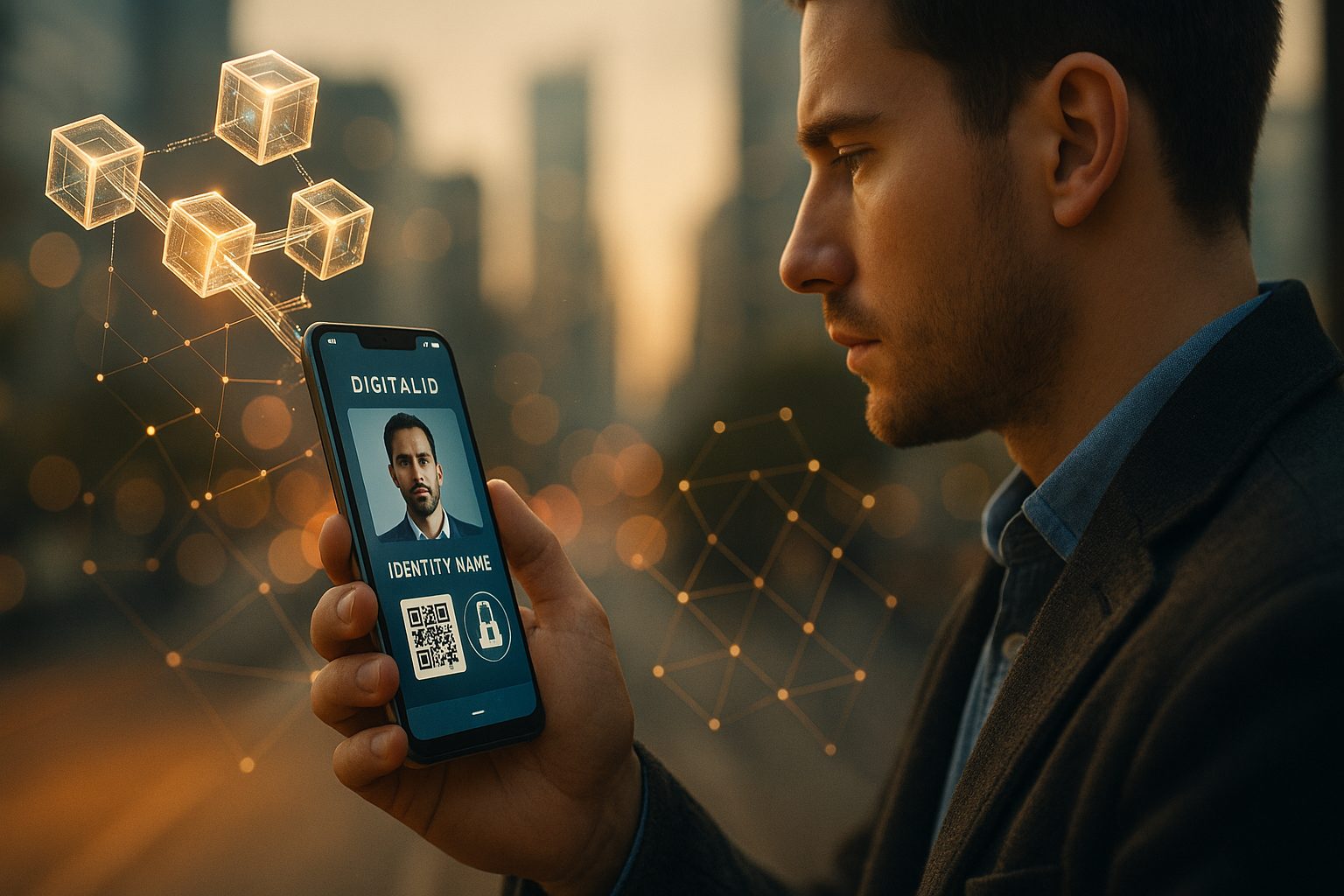
Identity management (IDM) encompasses the policies, processes, and technologies that ensure individuals have appropriate access to resources at the right times and for the right reasons. Traditional identity verification methods often face data breaches, identity theft, and privacy issues. In today’s data-driven world, organizations find it difficult to protect sensitive information while maintaining privacy. A report from the Identity Theft Resource Center 2023 revealed a 20% increase in identity theft incidents compared to the previous year, underscoring the urgent need for more secure identity management solutions.
Key Challenges in Identity Management
The urgent demand for a stronger and more secure approach to identity management prompts us to consider the potential of blockchain technology.
- Centralized Databases: Conventional identity systems depend on centralized databases, making them susceptible to hacks and data breaches.
- Lack of User Control: Users often need more control over their personal data, frequently sharing sensitive information without adequate protection.
- Inconsistent Data: Multiple identities across various platforms can create consistency and clarity, complicating the verification process.
- Regulatory Compliance: Navigating regulations like GDPR and CCPA is becoming increasingly complex, particularly when dealing with sensitive personal data.
What is Blockchain Technology? A Brief Overview
Blockchain technology is a decentralized and distributed ledger system that securely records transactions across numerous computers. Its key features include:
- Immutability: Once data is recorded, it cannot be changed or deleted, ensuring its integrity.
- Transparency: Transactions are visible to all network participants, fostering trust.
- Decentralization: No single entity controls the data, reducing the risk of data breaches.
The Role of Blockchain in Identity Management
The decentralized nature of blockchain directly addresses the challenges faced by traditional identity management systems. By using blockchain for identity verification, organizations can enhance security, streamline processes, and improve user control over personal data. Blockchain technology enables the creation of self-sovereign identities (SSI), allowing individuals to own their identity information.
Self-Sovereign Identity (SSI)
Self-sovereign identity is a concept where individuals have complete control over their personal data. With blockchain, users can create verifiable digital identities that they can share selectively. This approach enhances privacy and simplifies the verification process for businesses and service providers.
Benefits of Using Blockchain for Identity Verification
- Enhanced Security: Blockchain technology greatly improves security by encrypting identity information. With data distributed across numerous nodes, the risk of a single point of failure is significantly reduced.
- Improved Privacy: Users gain more control over their data, allowing them to share only what is necessary without revealing their identity. This selective sharing helps lower the chances of identity theft.
- Streamlined Processes: Blockchain can simplify and automate identity verification. By leveraging smart contracts, organizations can instantly verify identities without intermediaries, resulting in quicker transactions and lower costs.
- Auditability: Blockchain’s immutable nature creates a clear audit trail for identity verification. This transparency aids organizations in demonstrating compliance with regulatory standards.
Decentralization: Enhancing Security and Privacy
Decentralization is a fundamental aspect of blockchain technology that boosts security and privacy. Organizations can lessen their exposure to data breaches by removing the reliance on centralized databases. A 2023 report from the Ponemon Institute found that organizations utilizing decentralized identity solutions faced 50% fewer data breaches than those using traditional systems. Decentralized identity solutions empower users to manage their own identities, allowing them to safeguard their personal information. This method enhances individual privacy and security and fosters trust between users and service providers.
How Smart Contracts Facilitate Identity Management
Smart contracts are self-executing agreements that encode the terms directly into the software. In identity management, these contracts can streamline the verification process by automatically carrying out specific actions when predetermined conditions are satisfied.
Use Cases of Smart Contracts in Identity Management
- KYC Compliance: Financial institutions can utilize smart contracts to automate Know Your Customer (KYC) procedures, ensuring they meet regulatory requirements while minimizing manual effort.
- Access Control: Organizations can use smart contracts to dynamically manage access control, granting or revoking access based on user behavior and status.
By adopting smart contracts, organizations can improve efficiency and lessen the likelihood of human error in identity verification.
Overcoming Common Barriers to Blockchain Adoption in Identity Management
While blockchain offers numerous benefits, several obstacles still impede its broader use in identity management:
- Technical Complexity: Adopting blockchain solutions demands a solid grasp of the technology, which can be intimidating for organizations that need more technical know-how.
- Regulatory Concerns: The regulatory landscape for blockchain and identity management is still in flux. Organizations need to navigate intricate legal requirements to ensure they remain compliant.
- Resistance to Change: Many organizations are reluctant to shift from traditional identity management systems to blockchain-based solutions, fearing disruption and the challenges of adapting to new technologies.
Regulatory and Compliance Considerations
Organizations need to navigate regulatory compliance when implementing blockchain in identity management. They must ensure their solutions align with regulations like GDPR, CCPA, and other data protection and privacy laws. Important considerations include:
- Data Minimization: Collect and process only the data that is necessary.
- User Consent: Secure explicit consent from users before handling their identity data.
- Right to Erasure: Establish processes that allow users to request the deletion of their data when needed.
By proactively tackling these regulatory hurdles, organizations can better position themselves for successful blockchain integration.
Integrating blockchain technology into identity management significantly shifts how organizations handle identity verification and data protection. By leveraging decentralized, secure, and transparent solutions, businesses can mitigate the challenges associated with traditional identity systems. The future of identity management lies in empowering individuals with control over their data, fostering trust, and enhancing security.
Security, AI Risk Management, and Compliance with Akitra!
In the competitive landscape of SaaS businesses, trust is paramount amidst data breaches and privacy concerns. Akitra addresses this need with its leading AI-powered Compliance Automation platform. Our platform empowers customers to prevent sensitive data disclosure and mitigate risks, meeting the expectations of customers and partners in the rapidly evolving landscape of data security and compliance. Through automated evidence collection and continuous monitoring, paired with customizable policies, Akitra ensures organizations are compliance-ready for various frameworks such as SOC 1, SOC 2, HIPAA, GDPR, PCI DSS, ISO 27001, ISO 27701, ISO 27017, ISO 27018, ISO 9001, ISO 13485, ISO 42001, NIST 800-53, NIST 800-171, NIST AI RMF, FedRAMP, CCPA, CMMC, SOX ITGC, and more such as CIS AWS Foundations Benchmark, Australian ISM and Essential Eight etc. In addition, companies can use Akitra’s Risk Management product for overall risk management using quantitative methodologies such as Factorial Analysis of Information Risks (FAIR) and qualitative methods, including NIST-based for your company, Vulnerability Assessment and Pen Testing services, Third Party Vendor Risk Management, Trust Center, and AI-based Automated Questionnaire Response product to streamline and expedite security questionnaire response processes, delivering huge cost savings. Our compliance and security experts provide customized guidance to navigate the end-to-end compliance process confidently. Last but not least, we have also developed a resource hub called Akitra Academy, which offers easy-to-learn short video courses on security, compliance, and related topics of immense significance for today’s fast-growing companies.
Our solution offers substantial time and cost savings, including discounted audit fees, enabling fast and cost-effective compliance certification. Customers achieve continuous compliance as they grow, becoming certified under multiple frameworks through a single automation platform.
Build customer trust. Choose Akitra TODAY! To book your FREE DEMO, contact us right here.