Key Takeaways
- Cloud security protects cloud infrastructure, applications, workloads, identities, and data across public, private, hybrid, and multi-cloud environments.
- Identity-first security, Zero Trust, continuous monitoring, and automation are the core principles of modern cloud security.
- Organizations should align cloud security with leading frameworks such as SOC 2, ISO/IEC 27001, NIST CSF 2.0, CIS Benchmarks, HIPAA, PCI DSS 4.0, GDPR, and FedRAMP.
- The biggest cloud security risks in 2026 include misconfigurations, identity-based attacks, API vulnerabilities, SaaS sprawl, supply chain risks, and AI-powered cyberattacks.
- Cloud Security Posture Management (CSPM), DevSecOps, and Agentic AI help organizations continuously identify risks, automate remediation, and maintain audit-ready compliance.
- Continuous cloud security has replaced periodic security reviews, enabling organizations to strengthen resilience, reduce operational risk, and simplify compliance.
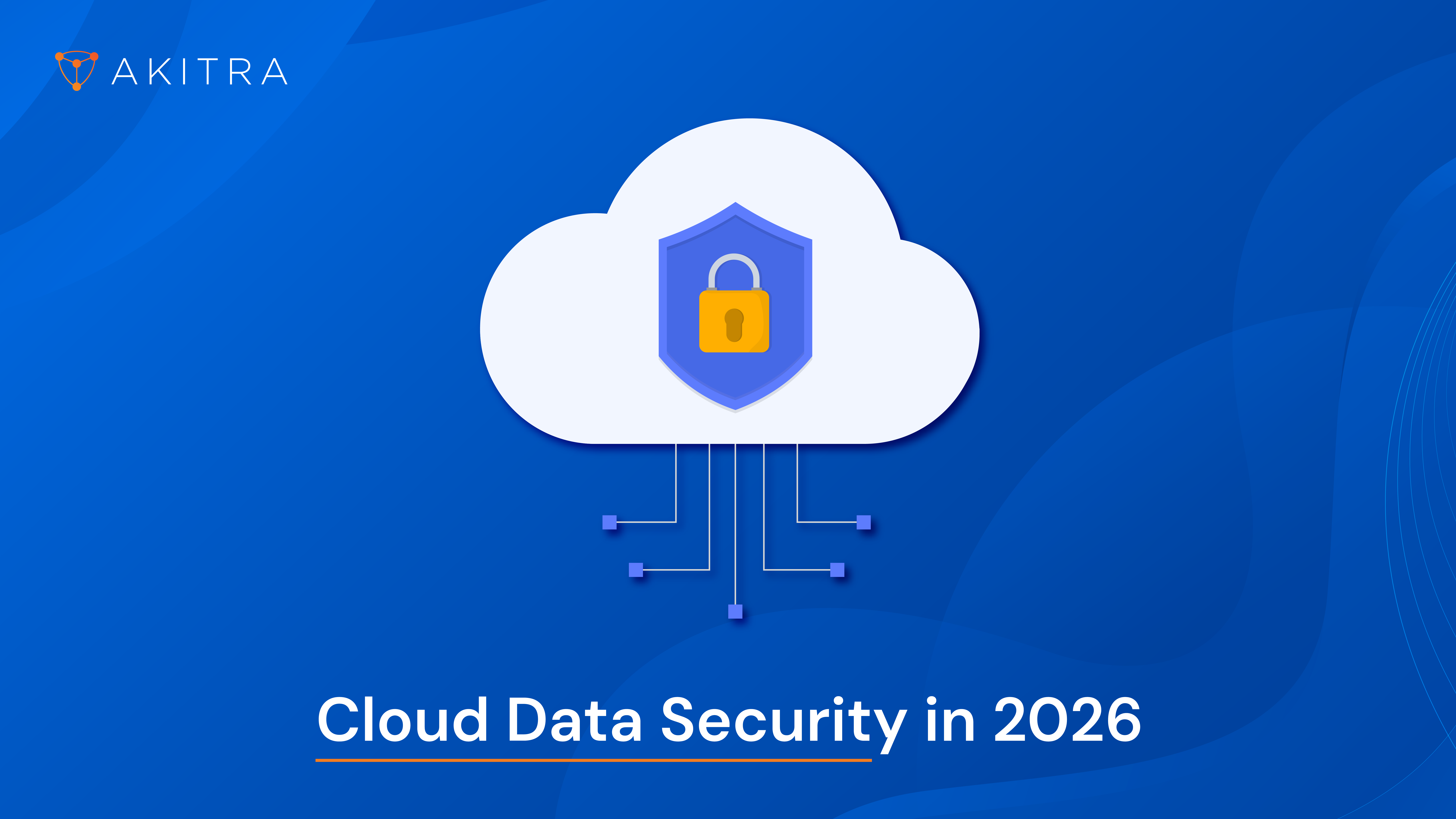
Cloud security is the practice of protecting cloud infrastructure, applications, identities, workloads, and data from cyber threats, misconfigurations, and unauthorized access. In 2026, organizations must secure increasingly complex multi-cloud, hybrid, and SaaS environments while maintaining continuous compliance and operational resilience.
This blog covers everything you need to know about cloud security in 2026, including the latest threats, leading security frameworks, best practices, Zero Trust, cloud security automation, and practical strategies to build a secure, compliant, and future-ready cloud environment.
What Is Cloud Security in 2026?
Cloud security refers to the technologies, processes, policies, and controls used to protect cloud-based systems, data, and infrastructure from cyber threats, misconfigurations, and compliance failures. Unlike traditional on-premises security, cloud security must operate in highly dynamic environments where resources are created, modified, and decommissioned continuously.
In 2026, cloud security is no longer just about protecting infrastructure. It encompasses:
- Identity and access management across users, services, and machines
- Data protection across SaaS, IaaS, and PaaS platforms
- Continuous visibility into cloud posture
- Automated enforcement of security and compliance controls
- Third-party and supply-chain risk management
As organizations increasingly adopt cloud-native architectures, security teams must shift from static controls to continuous cloud security monitoring.
The Shared Responsibility Model: What’s Changed by 2026
The shared responsibility model defines how security responsibilities are divided between cloud service providers (CSPs) and customers. While the concept is not new, the complexity has increased significantly.
Cloud providers like AWS, Azure, and Google Cloud are responsible for securing the underlying cloud infrastructure, which includes physical data centers, networking, and core services. Customers, however, remain responsible for ensuring:
- Identity and access configurations
- Data classification and encryption
- Network rules and security groups
- Application logic and APIs
- Compliance alignment
In 2026, the biggest cloud security failures still occur on the customer side. Misconfigured storage buckets, excessive permissions, and unmanaged SaaS tools remain the leading causes of breaches. The shared responsibility model hasn’t failed, visibility and automation have.
Top Cloud Security Threats in 2026
Cloud environments face a growing number of sophisticated threats. The most significant cloud security risks in 2026 include:
- Misconfigurations
Despite years of awareness, misconfigurations remain the number one cause of cloud breaches. Inconsistent policies across cloud accounts and environments create blind spots that attackers exploit.
- Identity-Based Attacks
Cloud security is now identity-centric. Compromised credentials, privilege escalation, and MFA fatigue attacks allow attackers to bypass perimeter defenses entirely.
- API Exploits
APIs are the backbone of modern cloud applications. Poor authentication, lack of rate limiting, and exposed endpoints make APIs a prime attack vector.
- Shadow Cloud and SaaS Sprawl
Teams often adopt cloud tools without security approval, leading to unmanaged data flows and compliance gaps.
- Supply Chain and Vendor Risk
Third-party integrations, SaaS vendors, and open-source components introduce indirect risk that traditional cloud security tools often overlook.
- AI-Driven Attacks
Attackers are increasingly using AI to automate reconnaissance, evade detection, and scale attacks faster than manual defenses can respond.
Cloud Security Frameworks and Compliance Requirements
Cloud security is deeply tied to regulatory and industry frameworks. In 2026, organizations must align cloud security controls with multiple standards depending on their industry and geography.
- SOC 2
SOC 2 remains essential for SaaS and cloud service providers, focusing on security, availability, confidentiality, processing integrity, and privacy.
- ISO/IEC 27001
ISO 27001 provides a globally recognized framework for information security management systems (ISMS), widely adopted by enterprises and regulated industries.
- NIST Cybersecurity Framework (CSF 2.0)
NIST CSF offers a flexible, risk-based approach to cloud security, particularly valuable for organizations operating in the U.S. public and private sectors.
- CIS Controls and Benchmarks
CIS Benchmarks provide prescriptive configuration standards for cloud platforms, helping reduce misconfiguration risks.
- HIPAA, PCI DSS 4.0, GDPR, FedRAMP
Industry-specific regulations add additional cloud security requirements around data protection, access controls, and monitoring.
In 2026, compliance is no longer a point-in-time exercise. Regulators increasingly expect continuous control monitoring rather than annual audits.
Modern Cloud Security Architecture
A strong cloud security posture starts with architecture. Modern cloud security in 2026 is built on the following principles:
- Identity-First Security
Every user, service, and workload must be continuously authenticated and authorized.
- Zero Trust Architecture
No implicit trust exists inside or outside the network. Access is granted based on context, identity, and risk.
- Data-Centric Protection
Encryption, classification, and access controls follow the data, not just the infrastructure.
- Continuous Monitoring and Observability
Logs, telemetry, and security signals must be collected and analyzed in real time.
- DevSecOps Integration
Security controls are embedded into CI/CD pipelines to prevent misconfigurations before deployment.
- Cloud Security Posture Management (CSPM)
CSPM tools continuously assess cloud environments for security and compliance drift.
Cloud Security Best Practices for 2026
Organizations looking to strengthen cloud security should focus on these best practices:
- Enforce least-privilege access across all identities
- Automate access reviews and entitlement management
- Encrypt sensitive data at rest and in transit
- Standardize configurations using infrastructure as code
- Continuously monitor control effectiveness
- Integrate security checks into DevOps workflows
- Assess vendor and third-party cloud risk regularly
- Replace manual evidence collection with automation
Cloud security in 2026 is less about adding tools and more about reducing complexity through intelligent automation.
Cloud Security Automation: From Manual Effort to Agentic AI
Security teams are overwhelmed by alerts, audits, and configuration changes. Manual cloud security processes cannot scale with modern environments.
Automation now plays a central role in cloud security by enabling:
- Real-time detection of misconfigurations
- Continuous compliance monitoring
- Automated evidence collection for audits
- Faster incident response
- Reduced human error
Agentic AI takes this further by acting autonomously, monitoring controls, identifying drift, and triggering remediation workflows without constant human intervention. This shift allows security teams to focus on strategy instead of maintenance.
Cloud Security Checklist for 2026
A practical cloud security checklist should include:
- Centralized identity and access management
- Encryption policies for sensitive data
- Continuous logging and monitoring
- CSPM and configuration scanning
- Automated compliance mapping
- Regular access and vendor reviews
- Incident response readiness
Checklists help translate cloud security strategy into repeatable action.
Cloud Security in Multi-Cloud Environments
Multi-cloud strategies increase resilience but also expand the attack surface. Each platform has different security models, tools, and configurations.
In 2026, effective multi-cloud security depends on:
- Unified visibility across cloud providers
- Consistent policy enforcement
- Centralized risk reporting
- Automated compliance mapping
Without standardization, multi-cloud environments quickly become unmanageable.
The Future of Cloud Security (2026 and Beyond)
Cloud security is moving toward autonomy. Over the next few years, expect to see:
- Greater adoption of agentic AI for security operations
- Identity orchestration replacing static IAM
- Continuous audits replacing annual assessments
- Security and compliance converging into unified platforms
- Real-time trust signals shared with customers
Organizations that embrace continuous, automated cloud security will gain a competitive advantage, not just better protection.
Conclusion
Cloud security in 2026 is about visibility, automation, and trust. As cloud environments grow more complex, organizations must move beyond reactive security models and embrace continuous monitoring, identity-first design, and intelligent automation.
By aligning with modern frameworks, addressing emerging threats, and adopting cloud security best practices, businesses can protect their environments while enabling faster growth and innovation.
Cloud security is no longer just a technical requirement; it’s a business enabler.
Security, AI Risk Management, and Compliance with Akitra!
In the competitive landscape of SaaS businesses, trust is paramount amidst data breaches and privacy concerns. Akitra addresses this need with its leading Agentic AI-powered Compliance Automation platform. Our platform empowers customers to prevent sensitive data disclosure and mitigate risks, meeting the expectations of customers and partners in the rapidly evolving landscape of data security and compliance. Through automated evidence collection and continuous monitoring, paired with customizable policies, Akitra ensures organizations are compliance-ready for various frameworks such as SOC 1, SOC 2, HIPAA, GDPR, PCI DSS, ISO 27001, ISO 27701, ISO 27017, ISO 27018, ISO 9001, ISO 13485, ISO 42001, NIST 800-53, NIST 800-171, NIST AI RMF, FedRAMP, CCPA, CMMC, SOX ITGC, and more such as CIS AWS Foundations Benchmark, Australian ISM and Essential Eight etc. In addition, companies can use Akitra’s Risk Management product for overall risk management using quantitative methodologies such as Factorial Analysis of Information Risks (FAIR) and qualitative methods, including NIST-based for your company, Vulnerability Assessment and Pen Testing services, Third Party Vendor Risk Management, Trust Center, and AI-based Automated Questionnaire Response product to streamline and expedite security questionnaire response processes, delivering huge cost savings. Our compliance and security experts provide customized guidance to navigate the end-to-end compliance process confidently. Last but not least, we have also developed a resource hub called Akitra Academy, which offers easy-to-learn short video courses on security, compliance, and related topics of immense significance for today’s fast-growing companies.
Our solution offers substantial time and cost savings, including discounted audit fees, enabling fast and cost-effective compliance certification. Customers achieve continuous compliance as they grow, becoming certified under multiple frameworks through a single automation platform.
Build customer trust. Choose Akitra TODAY!To book your FREE DEMO, contact us right here.
FAQ’S
What is the biggest cloud security risk today?
Misconfigurations and identity-based attacks remain the most common causes of cloud breaches.
Is cloud security better than on-prem security?
Cloud security can be stronger when configured correctly, but mismanagement can introduce significant risk.
Which cloud security framework is best?
There is no single best framework. Most organizations align with SOC 2, ISO 27001, and NIST depending on their industry.
How do companies maintain cloud security compliance?
By automating control monitoring, evidence collection, and policy enforcement rather than relying on manual audits.