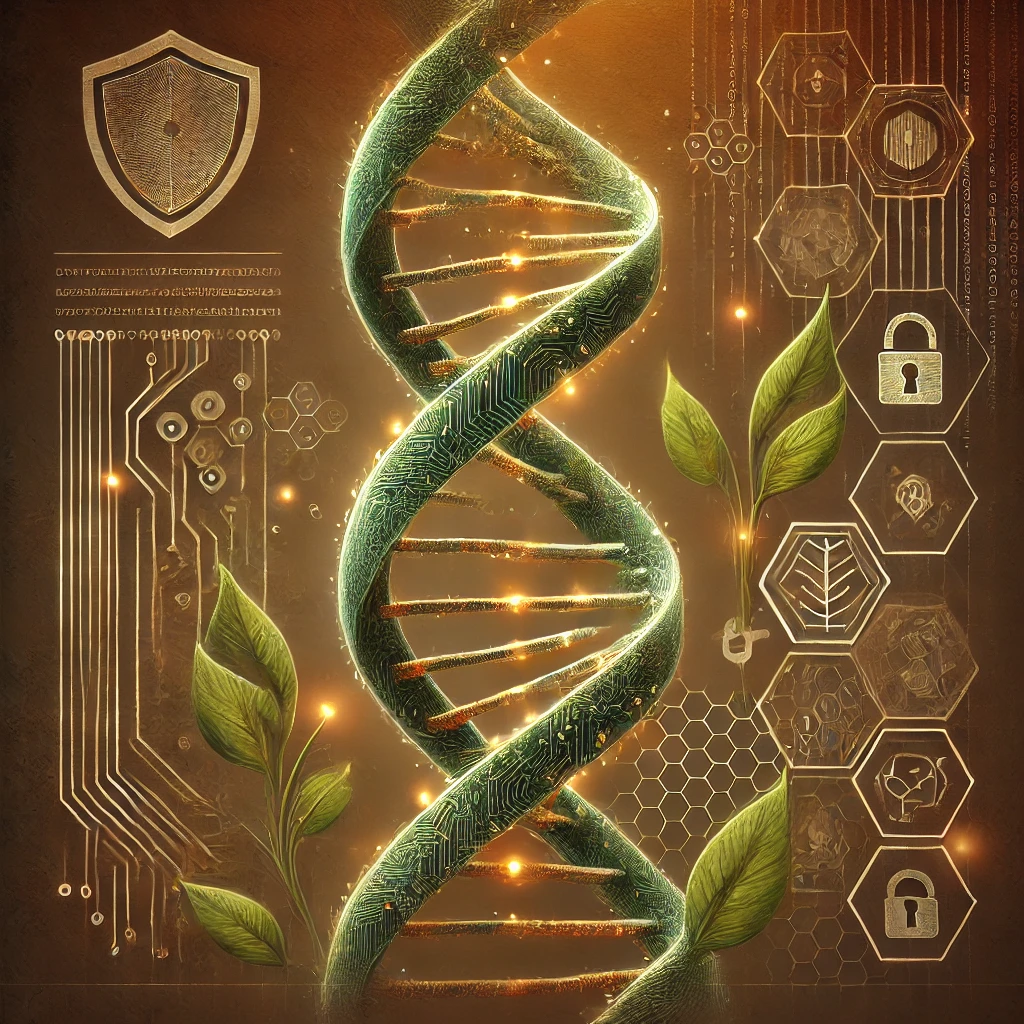
The emergence of DNA data storage technology presents a revolutionary method for efficiently and sustainably storing massive amounts of data. By encoding digital data into the sequences of nucleotides in DNA, researchers and organizations can harness nature’s blueprint to store data in a compact and durable format.
This blog explores the challenges associated with DNA data storage and offers insights on safeguarding genetic information.
Understanding DNA Data Storage
DNA data storage translates binary data (the 0s and 1s of digital information) into the four nucleotide bases (adenine, cytosine, guanine, and thymine) that makeup DNA. This method allows incredibly high-density data storage, as one gram of DNA can hold approximately 215 petabytes of data. With the potential for long-term stability and minimal energy requirements, DNA data storage could transform industries ranging from healthcare to cloud computing.
Unique Cybersecurity Challenges
- Data Sensitivity and Privacy: Genetic information is inherently sensitive and personal. Unlike other forms of data, it carries profound implications for individuals’ health, ancestry, and identity. Misuse of genetic information, such as for discrimination or unauthorized surveillance, raises major privacy concerns.
- Access Control and Authentication: Controlling access to DNA data storage systems is critical. Traditional cybersecurity measures, such as passwords and two-factor authentication, may not be sufficient for safeguarding genetic information.
- Data Integrity and Authenticity: Maintaining the integrity and authenticity of stored DNA data is crucial. As with any data storage solution, the risk of data corruption or tampering exists.
- Secure Data Transmission: Transmitting genetic data to and from DNA storage systems presents additional cybersecurity risks. Data can be intercepted or manipulated during transfer, leading to potential breaches.
- Regulatory Compliance: The storage and handling of genetic data are subject to various regulations, including data protection laws and health privacy regulations. Organizations must navigate complex legal frameworks to ensure compliance, which can vary by jurisdiction.
- Vulnerability to Cyber Attacks: As DNA data storage systems become more prevalent, they may become attractive targets for cybercriminals. Threat actors could seek to exploit vulnerabilities in these systems, potentially gaining unauthorized access to sensitive genetic information.
- Long-Term Data Management: DNA data storage is designed for longevity, potentially preserving data for thousands of years. However, the long-term management of stored genetic information presents challenges.
Best Practices for Safeguarding Genetic Information
- Robust Encryption: Implement strong encryption methods for both data at rest and data in transit. This ensures that even if data is intercepted, it remains unreadable to unauthorized parties.
- Multi-Factor Authentication (MFA): Utilize MFA to make access control measures more robust. Organizations may mitigate the potential risk of unauthorized use of DNA storage systems by requesting multiple stages of authentication.
- Regular Security Audits: Do regular security audits and assessments to identify vulnerabilities in DNA data storage systems. Address any identified weaknesses promptly to enhance overall security.
- Data Minimization: Limit the amount of genetic information collected and stored to the minimum necessary for specific purposes. This reduces the risk of exposure in the event of a breach.
- Training and Awareness: Educate employees and stakeholders about the importance of cybersecurity and the unique challenges associated with DNA data storage. Regular training can help foster a culture of security awareness.
- Collaboration with Experts: Engage cybersecurity experts and genetic data specialists to develop tailored security protocols for DNA data storage. Collaboration can enhance the organization’s understanding of potential risks and best practices.
In conclusion, as DNA data storage technology continues to evolve, the need for robust cybersecurity measures becomes increasingly vital. The sensitivity of genetic information requires organizations to adopt comprehensive strategies to protect this data. By understanding the unique challenges posed by DNA data storage and implementing best practices, organizations can effectively safeguard genetic information and mitigate the risks associated with this groundbreaking technology. Doing so protects individual privacy and fosters trust and confidence in secure genetic data management.
Security, AI Risk Management, and Compliance with Akitra!
In the competitive landscape of SaaS businesses, trust is paramount amidst data breaches and privacy concerns. Akitra addresses this need with its leading AI-powered Compliance Automation platform. Our platform empowers customers to prevent sensitive data disclosure and mitigate risks, meeting the expectations of customers and partners in the rapidly evolving landscape of data security and compliance. Through automated evidence collection and continuous monitoring, paired with customizable policies, Akitra ensures organizations are compliance-ready for various frameworks such as SOC 1, SOC 2, HIPAA, GDPR, PCI DSS, ISO 27001, ISO 27701, ISO 27017, ISO 27018, ISO 9001, ISO 13485, ISO 42001, NIST 800-53, NIST 800-171, NIST AI RMF, FedRAMP, CCPA, CMMC, SOX ITGC, and more such as CIS AWS Foundations Benchmark, Australian ISM and Essential Eight etc. In addition, companies can use Akitra’s Risk Management product for overall risk management using quantitative methodologies such as Factorial Analysis of Information Risks (FAIR) and qualitative methods, including NIST-based for your company, Vulnerability Assessment and Pen Testing services, Third Party Vendor Risk Management, Trust Center, and AI-based Automated Questionnaire Response product to streamline and expedite security questionnaire response processes, delivering huge cost savings. Our compliance and security experts provide customized guidance to navigate the end-to-end compliance process confidently. Last but not least, we have also developed a resource hub called Akitra Academy, which offers easy-to-learn short video courses on security, compliance, and related topics of immense significance for today’s fast-growing companies.
Our solution offers substantial time and cost savings, including discounted audit fees, enabling fast and cost-effective compliance certification. Customers achieve continuous compliance as they grow, becoming certified under multiple frameworks through a single automation platform.
Build customer trust. Choose Akitra TODAY!
To book your FREE DEMO, contact us right here.