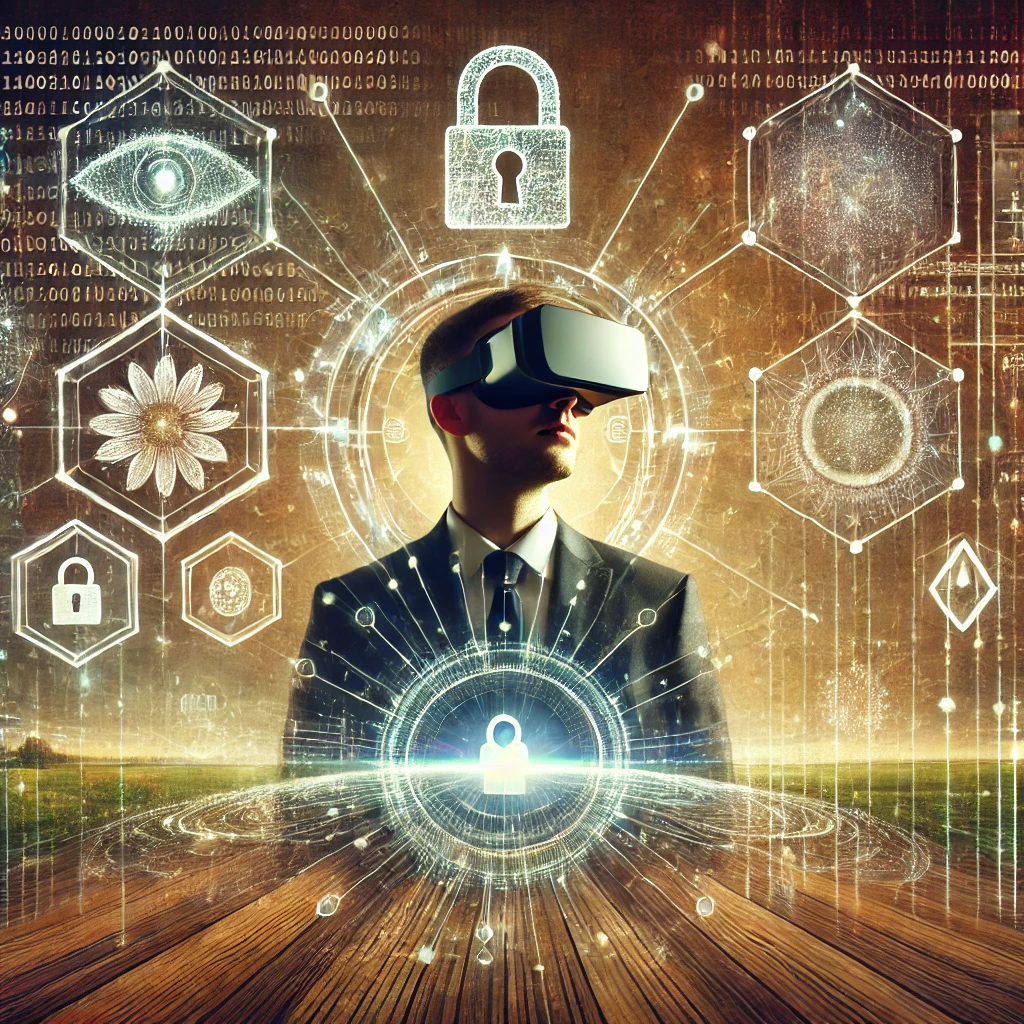
Virtual reality ( VR ) and augmented reality ( AR ) are becoming increasingly common in a variety of industries as technological advances occur, particularly in production, gaming, medical care, and learning. These developments in technology create new cybersecurity threats alongside an abundance of interesting possibilities.
This blog will highlight potential risks and discuss methods for securing these innovative tools since it focuses on how AR and VR impact cybersecurity. Furthermore, we will explore best practices for safeguarding these systems, including robust encryption, user authentication, and regular security updates.
Introduction to AR and VR
What is Augmented Reality (AR)?
By overlaying digital content such as images, videos, or sounds on top of the real world, augmented reality (AR) boosts users’ perception of it. It has many functions, from realistic commercial uses such as virtual try-ons and product previews, which are becoming more popular, to well-known games like Pokémon Go.
What is Virtual Reality (VR)?
Users may explore a virtual world by immersing themselves in the digital realm via virtual reality (VR). VR is frequently used to provide clients with realistic and entirely engaging training models, tasks, and virtual tours.
Cybersecurity Risks in AR and VR
- Data Privacy Concerns: AR and VR technology often collects an immense amount of data on its users, such as where they are, how they move, and what they enjoy. This data may be highly confidential, and severe privacy violations could come from safeguarding it. Unauthorized access to sensitive data may lead to fraudulent activities such as stalking or stealing an identity.
- Unauthorized Entry and Control: Hackers may exploit vulnerabilities in AR and VR systems to gain access and take over without consent. They might, for example, modify the virtual environment to deceive individuals, collect sensitive information, or even affect individuals directly. Particularly in a medical environment, improper use of a virtual reality training system might spread risky medical procedures, leaving patients at risk.
- Phishing and malware attacks: Phishing and malware assaults can target AR and VR systems. Malicious software may break into these systems through hacked devices or infected applications, creating defects or data breaches. Phishing attacks replicate actual AR or VR experiences to deceive users into revealing sensitive data or installing malicious software.
- Device Limitations: Security vulnerabilities may occur in AR and VR equipment, including controllers, sensors, and headgear. Such devices frequently utilize wireless communication, which is vulnerable to attack or surveillance by attackers. Additionally, vulnerabilities in the hardware or software can be abused to take over the devices, threatening individual safety and data security.
Best Practices for Securing AR and VR
- Implement Strong Authentication: Ensure robust authentication processes are in place for AR and VR systems to validate user identities and restrict unauthorized entry. MFA, or multi-factor authentication, offers additional security by requesting individuals verify their identity using multiple channels, such as passwords, biometric details, or one-time codes.
- Encrypt Sensitive Data: Sensitive data acquired by AR and VR devices should be encrypted. Secure it while it is in transit and when it is at rest to avoid unauthorized access and ensure that attackers are unable to read the data even in situations where it is captured. Use robust encryption technology to safeguard user data and interactions.
- Update Firmware and Software Frequently: Update your AR and VR hardware and software with the latest firmware and software versions. Security updates that fix known vulnerabilities appear in regular upgrades, reducing the chance of attack. IfSwitch on auto-updates to keep your devices secure from emerging risks.
- Alert Users: User awareness is necessary to prevent cybersecurity challenges. Alert users of the potential risks created by AR and VR technology and guide how to use them safely. Encourage people to be aware of fake websites and to avoid downloading applications from unknown sources.
- Conduct Audits of Security: Frequent security audits may help find and fix AR and VR system issues. Perform thorough evaluations of devices, networks, and tools to ensure that safety measures are updated and functioning. To replicate attacks and analyze the system’s resistance, conduct penetration testing.
Future Considerations
The challenges associated with cybersecurity will evolve as AR and VR technologies grow. Improved security features, including biometric authentication, advanced methods of encryption, and AI-driven threat detection, are potential future upgrades. To safeguard AR and VR systems from emerging threats, it will be necessary to continue keeping up with the latest cybersecurity trends and standards.
In conclusion, technologies like AR and VR present immense possibilities for innovation and collaboration in various domains. However, there are major cybersecurity risks associated with their increasing popularity. Individuals and businesses can benefit from augmented reality and virtual reality while safeguarding their personal information by staying cautious about these risks and taking robust safety precautions. The safe and appropriate use of AR and VR devices will need continuous attention to detail and modification as the technology evolves.
Security, AI Risk Management, and Compliance with Akitra!
In the competitive landscape of SaaS businesses, trust is paramount amidst data breaches and privacy concerns. Akitra addresses this need with its leading AI-powered Compliance Automation platform. Our platform empowers customers to prevent sensitive data disclosure and mitigate risks, meeting the expectations of customers and partners in the rapidly evolving landscape of data security and compliance. Through automated evidence collection and continuous monitoring, paired with customizable policies, Akitra ensures organizations are compliance-ready for various frameworks such as SOC 1, SOC 2, HIPAA, GDPR, PCI DSS, ISO 27001, ISO 27701, ISO 27017, ISO 27018, ISO 9001, ISO 13485, ISO 42001, NIST 800-53, NIST 800-171, NIST AI RMF, FedRAMP, CCPA, CMMC, SOX ITGC, and more such as CIS AWS Foundations Benchmark, Australian ISM and Essential Eight etc. In addition, companies can use Akitra’s Risk Management product for overall risk management using quantitative methodologies such as Factorial Analysis of Information Risks (FAIR) and qualitative methods, including NIST-based for your company, Vulnerability Assessment and Pen Testing services, Third Party Vendor Risk Management, Trust Center, and AI-based Automated Questionnaire Response product to streamline and expedite security questionnaire response processes, delivering huge cost savings. Our compliance and security experts provide customized guidance to navigate the end-to-end compliance process confidently. Last but not least, we have also developed a resource hub called Akitra Academy, which offers easy-to-learn short video courses on security, compliance, and related topics of immense significance for today’s fast-growing companies.
Our solution offers substantial time and cost savings, including discounted audit fees, enabling fast and cost-effective compliance certification. Customers achieve continuous compliance as they grow, becoming certified under multiple frameworks through a single automation platform.
Build customer trust. Choose Akitra TODAY!To book your FREE DEMO, contact us right here.