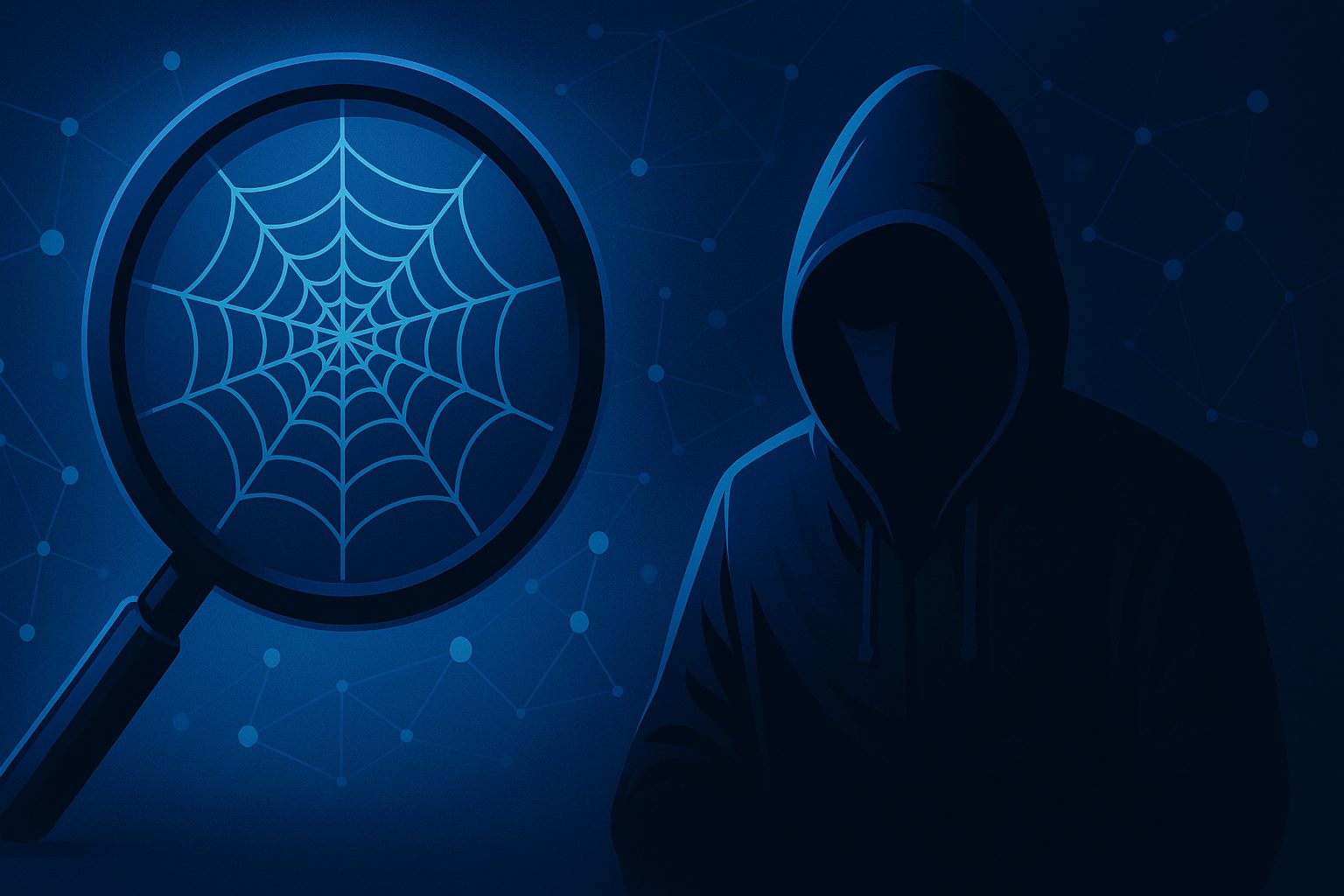
The dark web is widely recognized as a hub for cybercrime, where hackers and criminals trade stolen information, offer illegal products, and plan attacks together. Dark web monitoring is critical in today’s cybersecurity landscape, allowing organizations to identify and address threats that could jeopardize their security. This blog delves into the key elements of dark web monitoring, its role in strengthening cybersecurity, and the best practices for incorporating it into an organization’s security framework.
Introduction to Dark Web Monitoring: What It Is and Why It Matters
Dark web monitoring refers to the ongoing search and examination of concealed websites, forums, and marketplaces where cybercriminals are known to operate. For businesses, this type of monitoring is essential for spotting threats before they escalate into serious breaches, such as identifying the sale of stolen credentials, data leaks, or references to company assets.
Cyber threats from the dark web can result in significant financial losses, damage to reputation, and disruptions to operations. By actively monitoring these hidden areas, companies can take proactive measures to prevent data breaches, making dark web monitoring an indispensable component of any contemporary cybersecurity strategy.
Understanding the Dark Web: A Brief Overview
The dark web is a segment of the “deep web,” which consists of parts of the internet that traditional search engines cannot index. It operates on encrypted networks and is accessed through specialized browsers like Tor, allowing users to remain anonymous. While there are legitimate uses for the dark web, such as secure communication for journalists, it is predominantly linked to illegal activities, including:
- Data selling: The trade of stolen credit card numbers, login credentials, and personal information.
- Malware and exploit sales: Cybercriminals buy and sell malware tools, ransomware, and zero-day exploits.
- Cybercrime services: Offerings such as hacking as a service, DDoS attack rentals, and other malicious services.
Due to the nature of these activities, monitoring the dark web can provide businesses with crucial threat intelligence, helping them prevent attacks on their assets.
Common Cyber Threats on the Dark Web
Cyber threats from the dark web can affect any organization, regardless of size or industry. Some of the most common threats include:
- Stolen credentials and data leaks: Employee login information or customer data may be exposed, leading to unauthorized access to systems.
- Intellectual property theft: Trade secrets or proprietary information could be available for purchase, jeopardizing competitive advantage.
- Phishing kits and malware: Phishing templates and kits for specific companies or industries can circulate, facilitating large-scale attacks.
- Fraudulent identities: Fake accounts and credentials are often used to impersonate legitimate users, resulting in fraud or unauthorized access.
How Dark Web Monitoring Enhances Cybersecurity
Monitoring the dark web is essential for effective cybersecurity strategies today. By keeping an eye on cybercriminal activities, businesses can:
- Address threats proactively: Receiving early warnings allows for proactive measures, significantly lowering the chances of a breach.
- Protect brand integrity: Monitoring helps prevent the leakage of sensitive information, maintaining customer trust.
- Safeguard confidential data: Identifying stolen data enables companies to limit its spread and reduce associated risks.
- Support regulatory compliance: Many regulations mandate that companies take reasonable steps to protect customer data, and dark web monitoring can help meet these requirements.
Tools and Technologies for Dark Web Monitoring
Various tools and technologies are available to enhance the effectiveness of dark web monitoring. These include:
- Threat intelligence platforms: Tools like Recorded Future, Flashpoint, and IntSights provide insights from the dark web and integrate this information with broader threat intelligence.
- Automated scraping and analysis tools: These tools collect data from hidden forums, marketplaces, and messaging channels, pinpointing mentions of specific assets or keywords.
- AI and Machine Learning: AI and ML technologies can sift through large amounts of data, identify anomalies, and deliver predictive threat intelligence, allowing security teams to concentrate on critical alerts.
Identifying and Tracking Stolen Data on the Dark Web
A key aspect of monitoring the dark web is identifying and tracking stolen data. Security teams typically focus on specific types of data, including:
- Credentials and passwords: This involves spotting leaked usernames, passwords, or credentials associated with the organization.
- Personal Identifiable Information (PII): Keeping an eye on PII can help mitigate identity theft risks.
- Financial data: Information such as credit card numbers, banking details, and transaction records are often traded and should be monitored closely.
By tracking these data points, businesses can respond swiftly to potential breaches, minimize risks, and ensure compliance with data protection regulations.
Best Practices for Dark Web Monitoring
To effectively implement dark web monitoring, strategic planning, and consistent execution are crucial. Here are some best practices for a successful approach:
- Define objectives and scope: Identify which assets and types of data are most critical to monitor.
- Use specialized monitoring tools: Utilize tools and technologies designed for dark web monitoring to obtain actionable insights.
- Integrate with an incident response: Link findings from dark web monitoring to the company’s incident response plans to address any identified threats promptly.
- Update keyword lists regularly: As threats change, it’s vital to keep relevant keywords and search terms updated for effective monitoring.
Challenges in Monitoring the Dark Web
While monitoring the dark web can provide valuable insights, it also comes with its own set of challenges:
- Data reliability: The dark web is rife with false listings, making it essential to have the expertise to interpret the data accurately.
- Access restrictions: Many forums and marketplaces are private, necessitating specialized access methods or accounts to engage with them.
- Volume of data: The sheer amount of information on the dark web can overwhelm monitoring systems unless they are equipped with proper filters and AI-driven insights.
- Legal and ethical boundaries: It’s crucial to ensure that monitoring activities stay within legal limits, especially when dealing with sensitive or regulated data.
Legal and Ethical Considerations in Dark Web Monitoring
Navigating the dark web involves a complex web of legal and ethical considerations. Monitoring private and unindexed networks can raise ethical dilemmas and legal challenges, depending on the jurisdiction and data privacy laws in place. Important factors to consider include:
- Regulatory compliance: Adhering to data protection regulations like GDPR and CCPA is essential.
- Avoiding entrapment: Monitoring efforts should not engage with criminal entities, as this could result in legal consequences.
- Data handling and storage: Sensitive data collected from the dark web must be managed securely, following company policies and regulatory requirements for retention or disposal.
Integrating Dark Web Monitoring with Existing Security Operations
Dark web monitoring should be integrated with current cybersecurity strategies to maximize its effectiveness. Organizations can weave monitoring into:
- Threat intelligence feeds: Incorporating dark web data into SIEM and other threat intelligence systems to enhance incident detection.
- Incident response: Utilizing dark web alerts as early warning signs in the incident response process.
- Vulnerability management: Monitoring exploits on the dark web can uncover vulnerabilities unique to the organization’s software or configurations.
Future Trends in Dark Web Monitoring and Threat Intelligence
As cyber threats continue to evolve, the future of dark web monitoring is poised for significant advancements. Key trends influencing this future include:
- AI-driven threat analysis: AI’s role will expand, improving data filtering and accuracy for more effective threat detection.
- Enhanced integration with zero-trust models: By providing early threat detection, dark web monitoring can support zero-trust architectures.
- Predictive threat intelligence: Using historical and real-time data to forecast future attacks, allowing organizations to stay ahead of threats.
Dark web monitoring is a crucial element of proactive cybersecurity strategies, enabling businesses to reduce risks associated with cybercriminal activities. As the dark web changes, monitoring methods and technologies must also adapt. By incorporating dark web monitoring into a comprehensive cybersecurity framework, organizations can strengthen their ability to protect sensitive data, ensure regulatory compliance, and maintain their brand reputation.
Security, AI Risk Management, and Compliance with Akitra!
In the competitive landscape of SaaS businesses, trust is paramount amidst data breaches and privacy concerns. Akitra addresses this need with its leading AI-powered Compliance Automation platform. Our platform empowers customers to prevent sensitive data disclosure and mitigate risks, meeting the expectations of customers and partners in the rapidly evolving landscape of data security and compliance. Through automated evidence collection and continuous monitoring, paired with customizable policies, Akitra ensures organizations are compliance-ready for various frameworks such as SOC 1, SOC 2, HIPAA, GDPR, PCI DSS, ISO 27001, ISO 27701, ISO 27017, ISO 27018, ISO 9001, ISO 13485, ISO 42001, NIST 800-53, NIST 800-171, NIST AI RMF, FedRAMP, CCPA, CMMC, SOX ITGC, and more such as CIS AWS Foundations Benchmark, Australian ISM and Essential Eight etc. In addition, companies can use Akitra’s Risk Management product for overall risk management using quantitative methodologies such as Factorial Analysis of Information Risks (FAIR) and qualitative methods, including NIST-based for your company, Vulnerability Assessment and Pen Testing services, Third Party Vendor Risk Management, Trust Center, and AI-based Automated Questionnaire Response product to streamline and expedite security questionnaire response processes, delivering huge cost savings. Our compliance and security experts provide customized guidance to navigate the end-to-end compliance process confidently. Last but not least, we have also developed a resource hub called Akitra Academy, which offers easy-to-learn short video courses on security, compliance, and related topics of immense significance for today’s fast-growing companies.
Our solution offers substantial time and cost savings, including discounted audit fees, enabling fast and cost-effective compliance certification. Customers achieve continuous compliance as they grow, becoming certified under multiple frameworks through a single automation platform.
Build customer trust. Choose Akitra TODAY! To book your FREE DEMO, contact us right here.