The Internet connects people worldwide, but not all parts are safe. The dark web is a hidden area often linked to cybercrime, though its role is complex. Knowing more about the dark web can help people and companies protect themselves from online threats. This blog will explore the dark web, its use, and why it matters for cybersecurity.
What is the Dark Web?
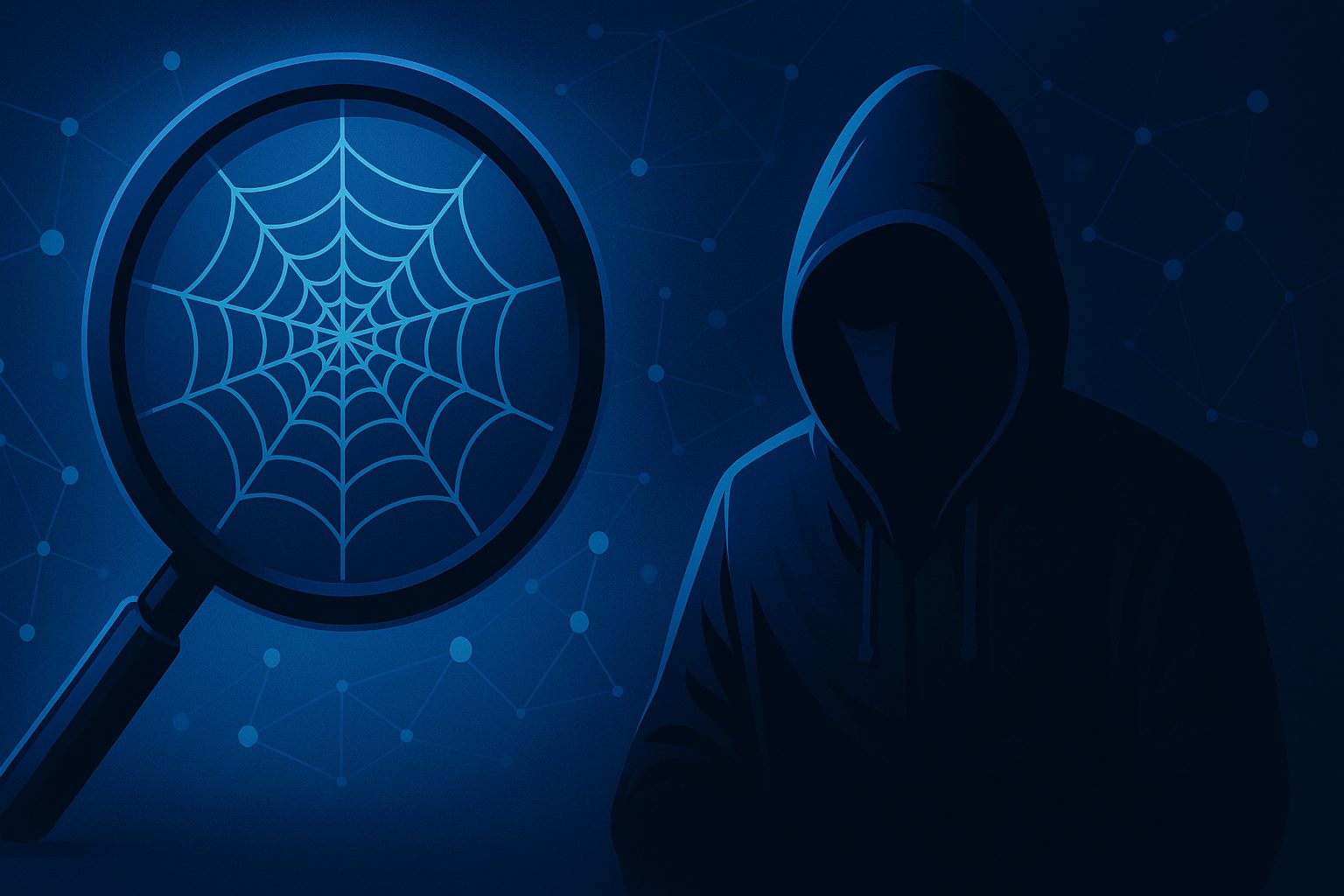
A section of the Internet that cannot be found by regular search engines like Google or Bing is known as the “dark web.” Users typically need specialized software, like Tor (The Onion Router), to access it, allowing anonymous browsing. While some people use the dark web for legitimate reasons, such as protecting their privacy in oppressive regimes, it is also a haven for illegal activities.
The Cybercriminal Ecosystem
The dark web acts as a marketplace for various cybercriminal activities:
- Illicit Goods and Services: Users can find and purchase illegal items like drugs, weapons, and counterfeit products at lower prices than legal markets.
- Stolen Data: Cybercriminals sell stolen personal information, such as credit card numbers and login credentials, often obtained from data breaches.
- Hacking Services: The dark web offers hiring services, allowing individuals to pay hackers for attacks like DDoS or data theft.
- Ransomware: Ransomware attacks have increased, with cybercriminals using the dark web to share tools and offer their services for hire, pressuring victims to pay large ransom.
- Fraud and Scams: Scams, including fake investments and fraudulent services, increase on the dark web and target unsuspecting individuals.
The Threat Landscape
- Data Breaches: The dark web increases data breaches, where stolen information can lead to identity theft and fraud. Organizations need strong data security and regular breach monitoring.
- Targeted Attacks: Criminals use personal info from the dark web to create targeted attacks, like phishing, increasing breach risks. Employee training and awareness can help prevent these.
- Ransomware Threats: The dark web helps spread ransomware. To fight this, organizations need reliable backups and thorough employee training to reduce risks.
- Anonymity Challenges: The dark web allows cybercriminals to stay hidden, making it hard for law enforcement to track them. This secret network helps cybercrime grow and creates risks for internet users.
Protecting Yourself
- Education and Awareness: Knowing the risks of the dark web is key to staying safe. Train employees on basic cybersecurity and the tricks cybercriminals use.
- Strong Security Practices: Use strong passwords, two-factor authentication, and keep software updated to protect sensitive data.
- Monitoring for Breaches: Use tools to check if your personal or company data is on the dark web. Early alerts can reduce damage from a breach.
- Incident Response Plans: Create a clear plan to follow during a cyber threat. This ensures quick and effective action in case of a breach.
In conclusion, the dark web presents many threats to users and significantly impacts the ecosystem of cybercriminals. Developing an effective cybersecurity strategy involves understanding these risks. Individuals and organizations may lessen hackers’ threats and traverse the digital world more effectively by educating themselves and implementing robust security measures. Protecting organizational and personal data requires awareness in a constantly changing threat landscape.
Security, AI Risk Management, and Compliance with Akitra!
In the competitive landscape of SaaS businesses, trust is paramount amidst data breaches and privacy concerns. Akitra addresses this need with its leading AI-powered Compliance Automation platform. Our platform empowers customers to prevent sensitive data disclosure and mitigate risks, meeting the expectations of customers and partners in the rapidly evolving landscape of data security and compliance. Through automated evidence collection and continuous monitoring, paired with customizable policies, Akitra ensures organizations are compliance-ready for various frameworks such as SOC 1, SOC 2, HIPAA, GDPR, PCI DSS, ISO 27001, ISO 27701, ISO 27017, ISO 27018, ISO 9001, ISO 13485, ISO 42001, NIST 800-53, NIST 800-171, NIST AI RMF, FedRAMP, CCPA, CMMC, SOX ITGC, and more such as CIS AWS Foundations Benchmark, Australian ISM and Essential Eight etc. In addition, companies can use Akitra’s Risk Management product for overall risk management using quantitative methodologies such as Factorial Analysis of Information Risks (FAIR) and qualitative methods, including NIST-based for your company, Vulnerability Assessment and Pen Testing services, Third Party Vendor Risk Management, Trust Center, and AI-based Automated Questionnaire Response product to streamline and expedite security questionnaire response processes, delivering huge cost savings. Our compliance and security experts provide customized guidance to navigate the end-to-end compliance process confidently. Last but not least, we have also developed a resource hub called Akitra Academy, which offers easy-to-learn short video courses on security, compliance, and related topics of immense significance for today’s fast-growing companies.
Our solution offers substantial time and cost savings, including discounted audit fees, enabling fast and cost-effective compliance certification. Customers achieve continuous compliance as they grow, becoming certified under multiple frameworks through a single automation platform.
Build customer trust. Choose Akitra TODAY!To book your FREE DEMO, contact us right here.