As technology continues to evolve rapidly, the associated risks are also changing, with one notable threat emerging: deepfakes. Initially confined to experimental software and creative projects, synthetic media now poses serious challenges to cybersecurity. Artificial intelligence (AI) and machine learning (ML) allow deepfakes to manipulate audio, video, and images with alarming accuracy. This capability can sway public opinion, mislead individuals, and facilitate cyber fraud unprecedentedly. Therefore, businesses and individuals need to understand deepfakes and their cybersecurity risks. This article will delve into the development of deepfake technology, the cybersecurity threats it presents, and the best practices organizations can adopt to counter these emerging dangers.
Introduction to Deepfakes and Synthetic Media
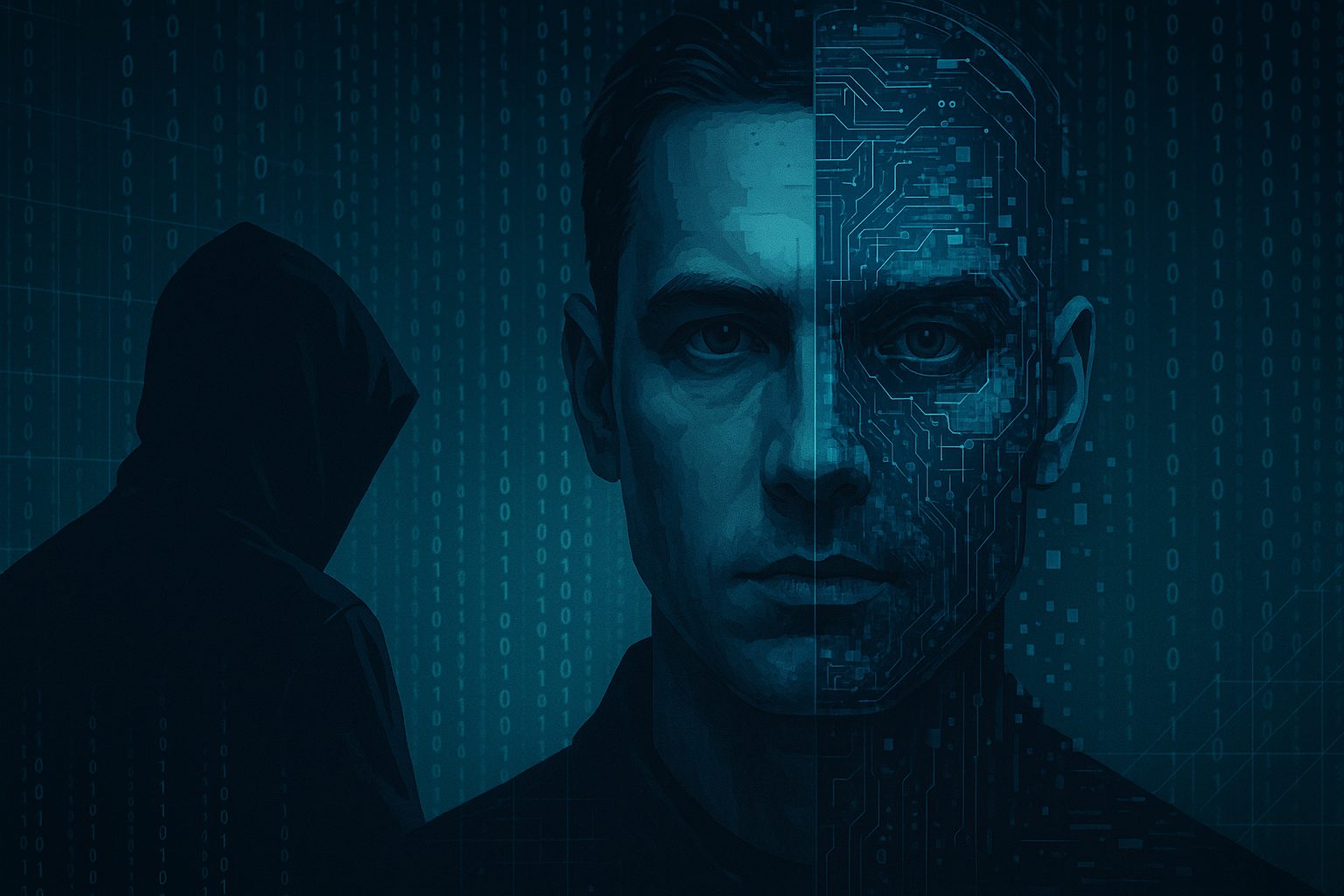
Deepfakes, a combination of “deep learning” and “fake,” refer to synthetic media produced using AI algorithms that can convincingly modify or create audio, video, or images. Utilizing advanced neural networks, especially generative adversarial networks (GANs), deepfakes can generate hyper-realistic yet entirely fabricated content. Initially, this technology was seen as an exciting advancement in digital media and entertainment. Still, its growing accessibility and potential for misuse have raised significant concerns in cybersecurity and other areas. As deepfake technology becomes more widespread, it’s crucial to address the risks that come with it.
How Deepfake Technology Works
Deepfakes depend on advanced AI frameworks, like GANs, which involve two neural networks competing against each other: a generator and a discriminator. The generator produces synthetic images or sounds while the discriminator evaluates their authenticity. The generator “learns” from its mistakes through numerous iterations, resulting in increasingly realistic media that can often fool human perception and detection systems.
Another important aspect of deepfakes is facial manipulation and voice cloning, where AI models study thousands of images or audio clips of a person to replicate their features, movements, and speech patterns. This capability allows creators to manipulate audio-visual content with a high level of control and realism, making it particularly appealing to malicious actors in cybercrime.
The Rise of Deepfakes: Why They’re a Growing Concern
The emergence of deepfakes has closely followed the development of open-source AI tools, which are now easily accessible online. This availability has increased deepfake applications across various fields, including entertainment, advertising, misinformation, and cybercrime. By 2023, the number of deepfake videos available online had already exceeded 50,000, with a significant portion associated with criminal activities such as fraud and impersonation. This trend is expected to continue, with Gartner forecasting that by 2025, deepfakes will make up 20% of all video and audio content shared online.
Cybersecurity Risks Posed by Deepfakes
Deepfakes introduce a range of cybersecurity threats, as they can exploit individuals and organizations in different ways. Here are some of the main risks:
- Phishing and Social Engineering: Deepfake videos and audio can convincingly mimic high-ranking executives, deceiving employees into transferring funds, disclosing sensitive information, or sharing login credentials.
- Financial Fraud: The technology behind deepfakes has been employed to impersonate CEOs or executives in schemes that have resulted in companies losing millions of dollars. A notable instance is the 2020 case, in which a UK-based company lost $243,000 due to an AI-generated voice deepfake.
- Misinformation and Public Opinion Manipulation: Political figures and adversaries can leverage deepfakes to disseminate false information, which can affect stock markets, sway elections, and tarnish reputations.
- Reputational Damage and Corporate Espionage: Fabricated videos or audio linked to corporate leaders can undermine public trust, disrupt business operations, and lead to reputational harm, ultimately affecting an organization’s financial health.
Common Uses of Deepfakes in Cybercrime
Deepfake technology is often misused in cybercrime, with tactics that include:
- Enhancing Business Email Compromise (BEC): Deepfakes can elevate traditional email scams by mimicking voices or faces, making fraudulent requests appear more legitimate.
- Identity Theft and Impersonation: With deepfake technology, identity theft can create highly convincing fake personas to open accounts, file claims, or carry out fraudulent transactions.
- Phishing with Audio/Visual Authentication: Deepfake phishing schemes may involve fake videos or audio messages that request account or identity verification.
- Corporate Espionage: Attackers might use deepfakes to impersonate corporate executives, gain access to confidential information, or mislead investors and stakeholders.
Detecting and Mitigating Deepfake Threats
While detecting deepfakes is challenging, it can be done with the right tools and strategies. Some methods include:
- Forensic Analysis: By scrutinizing media for inconsistencies, such as unnatural blinking or unusual body movements, forensic analysis can uncover signs of deepfakes.
- AI-Powered Detection Systems: Organizations can use AI to identify signs of manipulation, such as irregular video frames or audio patterns.
- Blockchain for Media Authentication: Implementing blockchain technology to store and verify the authenticity of original media files helps prevent tampering and identify altered versions.
- Manual Verification Protocols: Establishing strong protocols for verifying requests, particularly those involving financial transactions or sensitive information, is crucial in preventing deepfake-related fraud.
The Role of AI and Machine Learning in Identifying Deepfakes
AI and machine learning play a vital role in both creating and detecting deepfakes. Detection tools utilize convolutional neural networks (CNNs) to identify irregularities in images or audio that may not be noticeable to the human eye. Machine learning algorithms can analyze patterns and produce “authenticity scores” to assess the likelihood that content is genuine or fabricated. Furthermore, AI-driven algorithms can uncover artifacts often concealed within deepfake material, such as pixel inconsistencies or audio distortions.
Legal and Ethical Implications of Synthetic Media in Cybersecurity
The legal framework surrounding deepfakes is still developing, with many regions acknowledging the pressing need for regulations. Governments around the globe are enacting laws aimed at controlling the creation and distribution of deepfakes, ensuring that creators are held responsible for any misuse. Ethical issues are also significant concerning consent, privacy, and freedom of expression.
Best Practices for Organizations to Safeguard Against Deepfakes
Organizations can adopt several strategies to minimize their risk:
- Employee Training on Deepfake Awareness: It’s crucial to educate employees about the risks of deepfakes in social engineering attacks, enhancing their ability to recognize suspicious content.
- Implementing Robust Verification Procedures: Establishing multi-layered verification protocols for important communications can significantly lower the chances of deepfake-related fraud.
- Using Authentication Technologies: Incorporating biometric verification and two-factor authentication (2FA) adds extra layers of security, making it harder for cybercriminals to succeed.
- Engaging with Deepfake Detection Tools: It can be highly effective to utilize advanced AI-driven solutions specifically designed to detect deepfake content.
- Staying Informed on Regulatory Changes: Monitoring regulations concerning deepfakes allows organizations to adjust their policies to remain compliant and reduce liability risks.
Emerging Technologies for Deepfake Detection
New technologies are rapidly evolving to combat the deepfake threat. Key innovations include:
- AI-Powered Verification Tools: Companies like Microsoft and Deeptrace are developing deepfake detection tools that leverage AI to identify synthetic media in real time.
- Blockchain-Based Authentication: Blockchain technology can offer proof of media authenticity by storing verifiable records confirming digital content’s origin and legitimacy.
- Digital Watermarking and Fingerprinting: Advanced watermarking methods can embed metadata that aids in identifying altered media, providing evidence of tampering.
The Future of Deepfakes and Cybersecurity: What to Expect
As deepfake technology evolves, the complexity and scale of cybersecurity threats are expected to rise. Organizations should prepare for greater integration of AI and machine learning in producing and detecting deepfakes. Regulatory measures will also become increasingly important, with more countries implementing policies to curb the misuse of synthetic media.
In light of these developments, businesses need to stay flexible and continuously update their cybersecurity strategies to tackle these emerging threats. Although synthetic media presents significant risks, a thorough understanding and proactive approach to these challenges will help organizations protect their data, reputation, and assets from the effects of deepfakes.
Security, AI Risk Management, and Compliance with Akitra!
In the competitive landscape of SaaS businesses, trust is paramount amidst data breaches and privacy concerns. Akitra addresses this need with its leading AI-powered Compliance Automation platform. Our platform empowers customers to prevent sensitive data disclosure and mitigate risks, meeting the expectations of customers and partners in the rapidly evolving landscape of data security and compliance. Through automated evidence collection and continuous monitoring, paired with customizable policies, Akitra ensures organizations are compliance-ready for various frameworks such as SOC 1, SOC 2, HIPAA, GDPR, PCI DSS, ISO 27001, ISO 27701, ISO 27017, ISO 27018, ISO 9001, ISO 13485, ISO 42001, NIST 800-53, NIST 800-171, NIST AI RMF, FedRAMP, CCPA, CMMC, SOX ITGC, and more such as CIS AWS Foundations Benchmark, Australian ISM and Essential Eight etc. In addition, companies can use Akitra’s Risk Management product for overall risk management using quantitative methodologies such as Factorial Analysis of Information Risks (FAIR) and qualitative methods, including NIST-based for your company, Vulnerability Assessment and Pen Testing services, Third Party Vendor Risk Management, Trust Center, and AI-based Automated Questionnaire Response product to streamline and expedite security questionnaire response processes, delivering huge cost savings. Our compliance and security experts provide customized guidance to navigate the end-to-end compliance process confidently. Last but not least, we have also developed a resource hub called Akitra Academy, which offers easy-to-learn short video courses on security, compliance, and related topics of immense significance for today’s fast-growing companies.
Our solution offers substantial time and cost savings, including discounted audit fees, enabling fast and cost-effective compliance certification. Customers achieve continuous compliance as they grow, becoming certified under multiple frameworks through a single automation platform.
Build customer trust. Choose Akitra TODAY! To book your FREE DEMO, contact us right here.