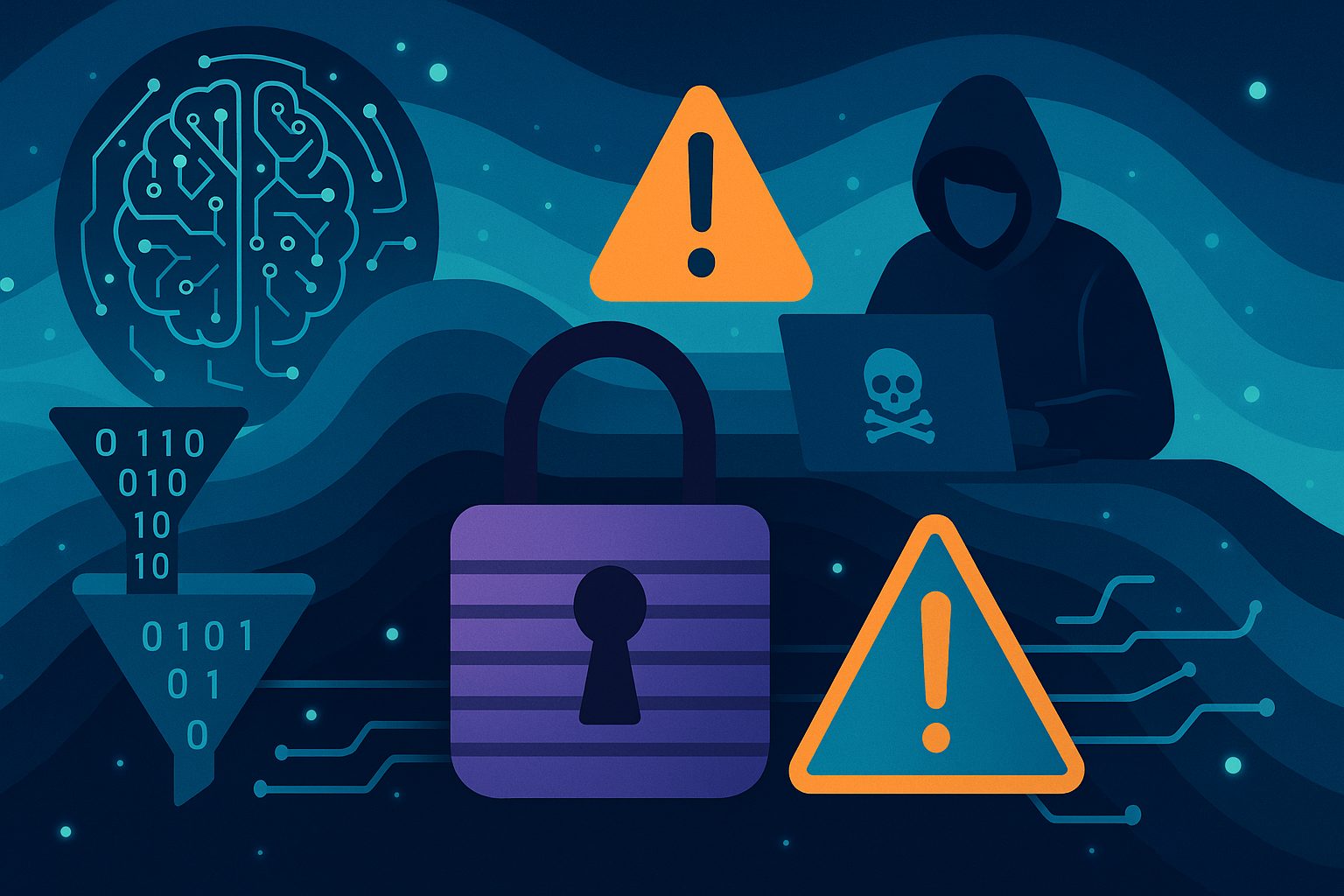
In recent years, ransomware has transformed from basic file encryption into a complex, multi-faceted threat. The era when attackers simply locked data and demanded a ransom for decryption is over. Today’s ransomware campaigns are layered, utilizing strategies such as data exfiltration, double and triple extortion, fileless attacks, and even artificial intelligence to heighten pressure on victims and boost the chances of receiving a payout. The emergence of Ransomware-as-a-Service (RaaS) has further broadened access to these attacks for a larger pool of criminals, increasing the scale and impact of ransomware incidents. As ransomware grows more sophisticated, businesses encounter greater difficulties in protecting their data and preserving trust. This blog delves into the new tactics used in ransomware attacks, the tools attackers employ to avoid detection and key best practices organizations can implement to safeguard against these advanced threats.
Introduction to Evolving Ransomware Tactics
Ransomware is evolving at a pace that outstrips the development of defenses. It is moving beyond simple file encryption to include complex extortion strategies, the exploitation of sensitive information, and the use of advanced technologies. Cybercriminals are now employing multifaceted approaches to coerce victims, targeting essential infrastructure and utilizing social engineering techniques. This creates a more intricate environment that organizations must navigate to maintain security.
The Shift from Simple Encryption to Advanced Tactics
In the early days, ransomware attacks were relatively simple, primarily using basic encryption to lock files and demand payment for their release. However, today’s cybercriminals have adopted a range of evolving tactics to increase the chances of receiving ransom payments and maximize their impact across networks. These strategies often go beyond just encryption, as attackers utilize data exfiltration, public shaming, and social engineering to enhance the effectiveness and damage of their attacks. Organizations must understand these tactics to develop robust defenses against contemporary ransomware threats.
Data Exfiltration and Double Extortion: Holding Data Hostage
In the double extortion model, attackers encrypt the data and threaten to make it public if the ransom is unpaid. This tactic uses data exfiltration to apply extra pressure on victims, who face operational disruptions and the risk of regulatory fines, reputational harm, and a loss of trust. By holding sensitive data hostage, attackers significantly increase their leverage, making double extortion one of the most potent ransomware tactics today.
Triple Extortion: Adding Pressure Through Public Exposure
Triple extortion takes ransomware tactics to a new level by adding extra pressure: targeting third parties connected to the original victim. For instance, attackers might threaten the organization’s customers or partners to push for payment. This strategy amplifies both financial and reputational harm, as victims risk damaging business relationships and facing negative media coverage if the attack is made public.
Ransomware as a Service (RaaS): Making Ransomware Accessible to Criminals
Ransomware as a Service (RaaS) functions similarly to legitimate Software as a Service (SaaS) models but is designed for cybercriminals. RaaS enables less experienced criminals to “subscribe” to ransomware kits created by more advanced threat actors, who then share in the profits from successful attacks. This model has made ransomware more accessible, allowing a broader range of malicious actors to engage in attacks, which has increased the frequency and sophistication of incidents across various industries.
Fileless Ransomware Attacks: Evading Traditional Detection
Fileless ransomware attacks pose a unique challenge for defense, as they do not depend on standard executable files. Instead, they utilize legitimate applications or operating system tools to carry out the attack, making them harder to detect with traditional antivirus solutions. By steering clear of disk-based files, fileless ransomware can evade detection for extended periods, enhancing its effectiveness and the potential damage it can inflict.
Targeting Critical Infrastructure and Supply Chains
A troubling trend in ransomware tactics is intentionally targeting critical infrastructure and supply chains. Due to their vital roles, healthcare systems, energy providers, and government organizations are increasingly becoming key targets. Ransomware attacks on critical infrastructure can disrupt services, jeopardize lives, and create cascading effects throughout supply chains, as demonstrated by the Colonial Pipeline and JBS Foods incidents. By targeting supply chains, ransomware can spread indirectly, impacting a broader range of entities and increasing the likelihood of ransom payments.
Ransomware with Worm Capabilities: Spreading Across Networks
Certain ransomware strains now possess worm-like capabilities that enable them to self-replicate across network systems. Ransomware worms like WannaCry and NotPetya take advantage of vulnerabilities in network configurations to move from one system to another without needing further human action. These attacks seriously threaten businesses with large networks, as they can inflict widespread damage before detection.
Use of AI and Machine Learning to Customize Attacks
Contemporary ransomware operations increasingly utilize AI (Artificial Intelligence) and machine learning to customize attacks. These technologies enable attackers to analyze target organizations and create tailored payloads that bypass specific security measures. Machine learning algorithms assist ransomware in evading detection by recognizing patterns in the company’s defenses and adapting the attack strategy in real-time. AI-driven ransomware complicates defense efforts, necessitating businesses to implement AI-enhanced threat detection and continuous monitoring systems.
Social Engineering and Phishing Tactics in Ransomware Campaigns
Social engineering and phishing tactics have become essential to ransomware campaigns, as attackers focus on individuals to infiltrate organizational networks. These attacks are often tailored to the target, using information from social media or publicly accessible data to seem credible. Sophisticated spear-phishing emails that imitate trusted contacts can trick employees into clicking on harmful links or downloading infected attachments, jeopardizing company systems and enabling ransomware to spread unnoticed.
The Role of Cryptocurrency in Ransomware Payments
Cryptocurrency has emerged as the favored payment method for ransomware operators because of its perceived anonymity. Bitcoin and Monero are commonly used, allowing attackers to receive payments with minimal traceability. Although law enforcement agencies are trying to monitor cryptocurrency transactions, the decentralized nature of blockchain technology continues to make cryptocurrency appealing for illegal activities, further driving the rise of ransomware attacks.
Best Practices for Defending Against Emerging Ransomware Tactics
Organizations need a comprehensive cybersecurity strategy, ongoing monitoring, and proactive employee training to combat the sophisticated ransomware tactics of today. Here are some key best practices:
- Adopt Zero Trust Security: Implement Zero-Trust frameworks to ensure that every network interaction is verified, regardless of its source.
- Enhance Phishing Awareness Training: Regularly train employees to identify phishing and social engineering tactics. Encourage them to examine email addresses and promptly report any suspicious activities carefully.
- Utilize AI-Based Threat Detection: Invest in security solutions powered by AI and machine learning to identify unusual patterns and prevent ransomware from spreading throughout networks.
- Implement Data Backups and Incident Response Plans: Keep regular, encrypted backups and have a tested incident response plan. This helps minimize downtime and supports recovery without giving in to ransom demands.
- Enforce Patch Management: Quickly apply patches for all software and hardware to lower the risk of ransomware exploiting vulnerabilities.
- Monitor Third-Party Risks: Ensure third-party vendors and partners comply with security standards. Conduct risk assessments of the supply chain to reduce exposure to potential vulnerabilities.
- Leverage Threat Intelligence Platforms: Invest in cyber threat intelligence to stay informed about the latest ransomware tactics, emerging trends, and threats relevant to your industry.
- Engage in Cyber Hygiene Practices: Promote password management, secure access control, and multi-factor authentication (MFA) throughout the organization to strengthen defenses against social engineering attacks.
The ransomware landscape is increasingly complex and damaging. With tactics like double and triple extortion and fileless attacks, cybercriminals have developed methods that extend far beyond simple encryption. Businesses must take a proactive approach to ransomware.
Security, AI Risk Management, and Compliance with Akitra!
In the competitive landscape of SaaS businesses, trust is paramount amidst data breaches and privacy concerns. Akitra addresses this need with its leading AI-powered Compliance Automation platform. Our platform empowers customers to prevent sensitive data disclosure and mitigate risks, meeting the expectations of customers and partners in the rapidly evolving landscape of data security and compliance. Through automated evidence collection and continuous monitoring, paired with customizable policies, Akitra ensures organizations are compliance-ready for various frameworks such as SOC 1, SOC 2, HIPAA, GDPR, PCI DSS, ISO 27001, ISO 27701, ISO 27017, ISO 27018, ISO 9001, ISO 13485, ISO 42001, NIST 800-53, NIST 800-171, NIST AI RMF, FedRAMP, CCPA, CMMC, SOX ITGC, and more such as CIS AWS Foundations Benchmark, Australian ISM and Essential Eight etc. In addition, companies can use Akitra’s Risk Management product for overall risk management using quantitative methodologies such as Factorial Analysis of Information Risks (FAIR) and qualitative methods, including NIST-based for your company, Vulnerability Assessment and Pen Testing services, Third Party Vendor Risk Management, Trust Center, and AI-based Automated Questionnaire Response product to streamline and expedite security questionnaire response processes, delivering huge cost savings. Our compliance and security experts provide customized guidance to navigate the end-to-end compliance process confidently. Last but not least, we have also developed a resource hub called Akitra Academy, which offers easy-to-learn short video courses on security, compliance, and related topics of immense significance for today’s fast-growing companies.
Our solution offers substantial time and cost savings, including discounted audit fees, enabling fast and cost-effective compliance certification. Customers achieve continuous compliance as they grow, becoming certified under multiple frameworks through a single automation platform.
Build customer trust. Choose Akitra TODAY! To book your FREE DEMO, contact us right here.