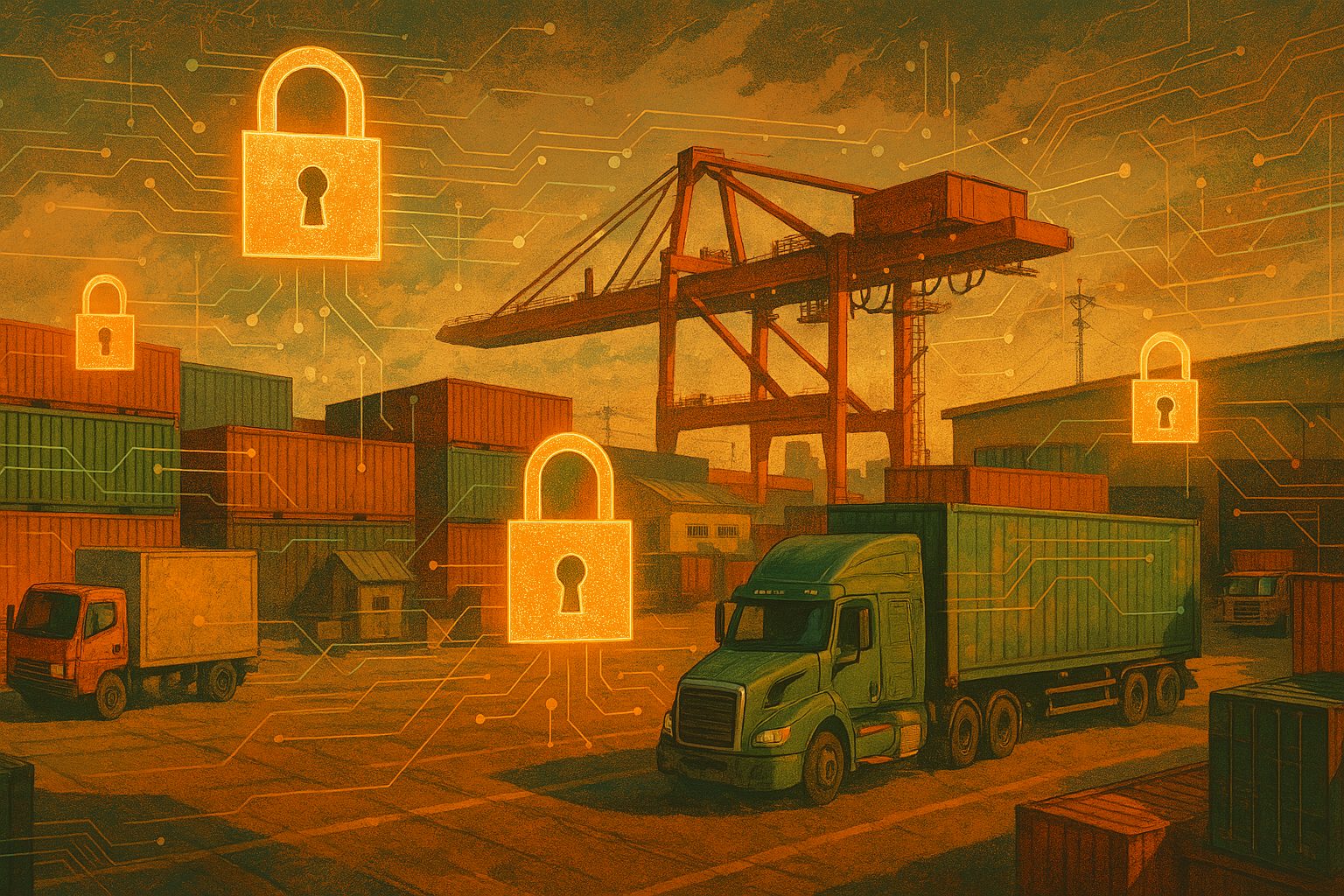
Organizations rely significantly on complex global supply networks to efficiently deliver services and products in a modern globalized world. While globalization has numerous advantages, it also poses major cybersecurity threats. These risks can affect operations, lead to capital losses, and damage reputations.
This blog will focus on several supply chain cybersecurity risks in the worldwide economy and offer viable options to mitigate them. By addressing these issues proactively, businesses can safeguard their supply chains against cyber threats and ensure the smooth flow of goods and services.
Introduction
The globalized economy has changed how businesses operate, offering seamless cross-border cooperation and the sharing of resources. Yet, due to their interconnection, supply chains are increasingly vulnerable to cyberattacks. Cybercriminals are taking advantage of vulnerabilities within supply chain networks to enter without permission, steal sensitive data, and harm company activities. Organizations must implement proactive steps to safeguard assets and secure the integrity of their supply networks as marketplace cyber risks are constantly evolving.
Understanding Supply Chain Cyber Risks
- Third-Party Concerns: Many companies rely on outside suppliers and vendors for required goods and services. Because these third parties may possess a different cybersecurity maturity than the parent firm, they may introduce vulnerabilities across the supply chain. A third-party software compromise that overflows across the supply chain could affect many businesses.
- Hardware and Software Inadequacy: It can be possible for attackers to damage hardware and software systems during manufacturing or shipping. Such attacked devices may allow attackers access to an organization’s network when integrated into essential processes. This sort of attack can have severe consequences and is hard to detect.
- Data Breaches and Intellectual Property Theft: Sensitive data, such as financial records, consumer data, and intellectual designs, is frequently transferred through supply chains. Cybercriminals exploit this data to acquire confidential data, commit fraud, or initiate further attacks. Safeguarding data is essential for maintaining the integrity of the supply chain at each phase of the process.
- Disruption of Operations: Attacks via the Internet on supply chain networks can stop production, impose delays, or lower the quality of the final product. Attacks using ransomware, in addition, can completely shut down supply networks, leading to large-scale financial damage and damage to one’s reputation.
Strategies for Mitigating Supply Chain Cyber Risks
- Conduct Detailed Risk Assessments: Conduct detailed risk assessments to identify potentially vulnerable spots throughout your supply chain. Assess associates’ and third-party vendors’ cybersecurity procedures to ensure they comply with your security requirements. Modify risk assessments frequently to account for new risks and changing business environments.
- Set Strict Access Controls: All authorized employees should be able to access sensitive data and systems. Adopt multi-factor authentication (MFA) to ensure users are true to who they claim to be and boost security. Consider role-based access controls (RBAC) to restrict accessibility based on job responsibilities.
- Set Third-Party Cybersecurity Standards: Set up and enforce cybersecurity guidelines for associates and third-party vendors. Let them conduct frequent security audits and comply with industry standards. The contract must include cybersecurity terms that ensure obligation and accountability.
- Monitor and Secure the Supply Chain Continuously: Use methods for continuous surveillance to identify and tackle cyber threats quickly. Monitor web traffic and detect unusual patterns of activity. Adopt intrusion detection systems (IDS) and security information and event management (SIEM) tools. Update and review safety measures often to address existing threats.
- Train and Educate Employees:Employee awareness is necessary to prevent cyber incidents. Offer frequent cybersecurity training courses for employees to educate them about potential risks and best practices. Establish a secure work environment where employees stay alert and identify suspicious activity.
- Develop Incident Response Plans: Develop and evaluate incident response plans to prepare for any cyber threat. These plans should include procedures concerning interaction, control approaches, and restoration, along with guidelines regarding what to do in the case of a breach. A well-defined action plan helps minimize the damage a data breach causes to the supply network.
Case Study: The Target Data Breach
Among the most notable cases of how supply chain cyber threats can have disastrous consequences is the Target data breach from 2013. Cybercriminals hacked a third-party supplier that provided HVAC services, allowing them access to Target’s network. By installing malware on Target’s point-of-sale devices, the attackers managed to access millions of consumers’ credit and debit card data. The attack highlights the importance of safeguarding sensitive data by placing strong access controls into effect and safeguarding third-party suppliers.
In conclusion, Avoiding supply chain cyber-attacks is essential for ensuring business continuity and safeguarding sensitive information in an international economy. Organizations can reduce the risk of cyber incidents and protect their supply chains by staying aware of many dangers and taking proactive safety precautions. A robust supply chain encryption strategy must include rigorous incident response processes, continuous surveillance, and personnel training. Organizations must be active and dynamic to safeguard their assets and maintain the security of their international supply chains, as cyber threats are constantly evolving.
Security, AI Risk Management, and Compliance with Akitra!
In the competitive landscape of SaaS businesses, trust is paramount amidst data breaches and privacy concerns. Akitra addresses this need with its leading AI-powered Compliance Automation platform. Our platform empowers customers to prevent sensitive data disclosure and mitigate risks, meeting the expectations of customers and partners in the rapidly evolving landscape of data security and compliance. Through automated evidence collection and continuous monitoring, paired with customizable policies, Akitra ensures organizations are compliance-ready for various frameworks such as SOC 1, SOC 2, HIPAA, GDPR, PCI DSS, ISO 27001, ISO 27701, ISO 27017, ISO 27018, ISO 9001, ISO 13485, ISO 42001, NIST 800-53, NIST 800-171, NIST AI RMF, FedRAMP, CCPA, CMMC, SOX ITGC, and more such as CIS AWS Foundations Benchmark, Australian ISM and Essential Eight etc. In addition, companies can use Akitra’s Risk Management product for overall risk management using quantitative methodologies such as Factorial Analysis of Information Risks (FAIR) and qualitative methods, including NIST-based for your company, Vulnerability Assessment and Pen Testing services, Third Party Vendor Risk Management, Trust Center, and AI-based Automated Questionnaire Response product to streamline and expedite security questionnaire response processes, delivering huge cost savings. Our compliance and security experts provide customized guidance to navigate the end-to-end compliance process confidently. Last but not least, we have also developed a resource hub called Akitra Academy, which offers easy-to-learn short video courses on security, compliance, and related topics of immense significance for today’s fast-growing companies.
Our solution offers substantial time and cost savings, including discounted audit fees, enabling fast and cost-effective compliance certification. Customers achieve continuous compliance as they grow, becoming certified under multiple frameworks through a single automation platform.
Build customer trust. Choose Akitra TODAY!To book your FREE DEMO, contact us right here.