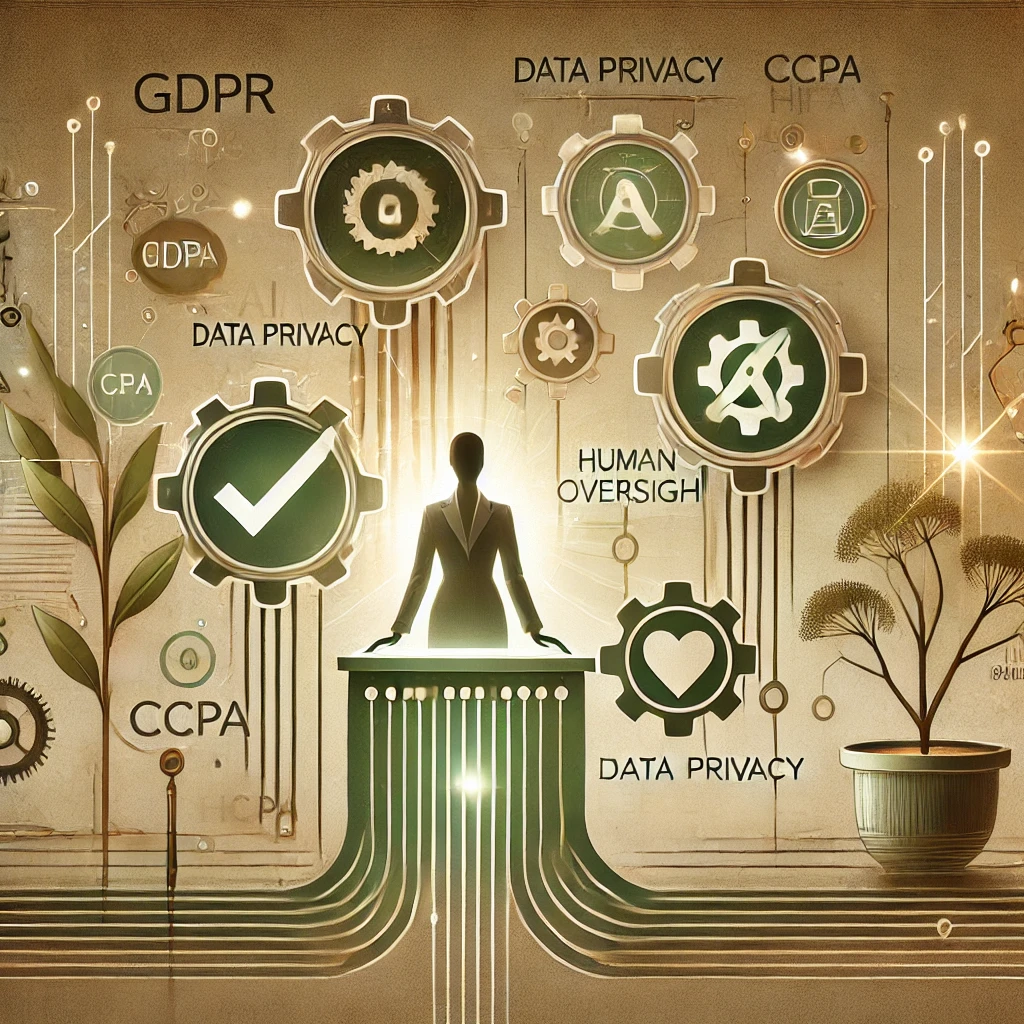
Organizations are under mounting pressure to comply with strict data privacy regulations in a world increasingly reliant on data. In today’s data-driven landscape, businesses must adhere to stringent privacy regulations such as GDPR, CCPA, and HIPAA. These regulations are intricate, frequently evolving, and demand significant effort to navigate. This is where automation can play a pivotal role. Automation aids businesses in streamlining compliance processes by decreasing manual tasks, reducing errors, and enhancing data privacy management. Let’s explore automation’s function, its advantages and challenges, and how it can bolster your compliance initiatives.
What Are Data Privacy Regulations?
Data privacy regulations are designed to safeguard personal information and ensure that businesses manage it responsibly. Here are three key regulations:
- GDPR: Concentrates on protecting EU citizens’ data, highlighting consent, user rights, and accountability.
- CCPA: Empowers California residents with control over their data, including the right to know how it’s utilized or to opt out of sharing.
- HIPAA: Safeguards sensitive health information with stringent guidelines on its storage and sharing.
Compliance Challenges:
- Managing large volumes of personal data across international operations.
- Ensuring timely compliance with updates in privacy laws.
- Dealing with labor-intensive and resource-heavy manual processes.
The Growing Complexity of Data Privacy Compliance
The regulatory landscape is becoming more complex. In 2024 alone, more than 20 countries introduced new privacy laws, signaling a global trend toward stricter oversight. For businesses, this translates to:
- Increased Accountability: Regulators now require comprehensive documentation of compliance efforts.
- Cross-Border Challenges: Navigating compliance across different jurisdictions with varying requirements.
- Consumer Expectations: Customers increasingly favor businesses with transparent and strong privacy policies.
How Automation Makes Compliance Easier
Automation streamlines data privacy compliance by managing repetitive tasks and enhancing accuracy. Here’s how:
- Data Mapping: Automated tools swiftly identify and organize personal data, saving time and effort.
- Continuous Monitoring: AI tools keep an eye out for data breaches or policy violations in real-time.
- Effortless Reporting: Automated systems create compliance reports, minimizing manual work during audits.
Businesses can react quickly to issues and operate more efficiently by leveraging automation.
How AI Improves Privacy Management
AI-driven tools elevate automation with sophisticated capabilities:
- Risk Assessment: AI analyzes privacy risks and suggests solutions to mitigate them.
- Data Anonymization: Machine learning eliminates identifiable information from data to protect privacy.
- Consent Management: AI ensures consent records are current and compliant.
What to Look for in Automated Privacy Tools
When selecting privacy automation tools, consider these essential features:
- Data Discovery: Identifies and organizes sensitive data throughout your systems.
- Real-Time Alerts: Instantly notify you of potential issues.
- Regulatory Updates: Ensures tools remain compliant with the latest privacy laws.
- Audit Trails: Records all activities for straightforward compliance reviews.
Ensuring Accountability in Automated Privacy Solutions
To implement automation effectively, it is crucial to maintain transparency and oversight to prevent over-reliance. Key steps include:
- Periodic Reviews: Conduct regular audits of automated systems to ensure they function accurately.
- Human Oversight: Combining AI-driven insights with human judgment is important for making critical decisions.
- Training and Awareness: Educate employees on how automation can support compliance objectives.
Benefits of Automation for Businesses and Consumers
For Businesses:
- Cost Efficiency: Reduces the need for large compliance teams.
- Scalability: Effectively manages compliance across various jurisdictions.
- Improved Accuracy: Reduces errors in data handling and reporting.
For Consumers:
- Enhanced Trust: Businesses that utilize automated compliance systems strongly commit to data protection.
- Quick Response Times: Ensures faster resolution of data access or deletion requests.
Challenges of Relying on AI for Data Privacy
While automation in data privacy offers benefits, it also presents challenges:
- Over-Reliance on Technology: Automation tools might need to catch subtle compliance requirements.
- Implementation Costs: The initial setup can be resource-heavy for smaller businesses.
- Privacy Concerns: The use of AI for privacy raises important questions about how these tools manage personal data.
Tips for Integrating Automation into Data Privacy Programs
To maximize the benefits of automation, consider these best practices:
- Choose Scalable Solutions: Select tools that can grow with your business and adapt to changing regulations.
- Start with Pilot Programs: Implement automation tools in targeted areas before rolling them out on a larger scale.
- Collaborate with Experts: Partner with privacy consultants or vendors specializing in compliance automation.
- Regular Updates: Ensure tools are updated promptly to meet new regulatory standards.
- Employee Training: Provide your team with the necessary training to effectively utilize automated systems.
As the regulatory landscape keeps changing, automation has become necessary for businesses striving to comply with data privacy laws. By utilizing AI-driven solutions, companies can enhance their compliance processes, foster consumer trust, and stay ahead of the competition.
Security, AI Governance, Risk Management, and Compliance with Akitra!
In the competitive landscape of SaaS businesses, trust is paramount amidst data breaches and privacy concerns. Akitra addresses this need with its leading AI-powered Compliance Automation platform. Our platform empowers customers to prevent sensitive data disclosure and mitigate risks, meeting the expectations of customers and partners in the rapidly evolving landscape of data security and compliance. Through automated evidence collection and continuous monitoring, paired with customizable policies, Akitra ensures organizations are compliance-ready for various frameworks such as SOC 1, SOC 2, HIPAA, GDPR, PCI DSS, ISO 27001, ISO 27701, ISO 27017, ISO 27018, ISO 9001, ISO 13485, ISO 42001, NIST 800-53, NIST 800-171, NIST AI RMF, FedRAMP, CCPA, CMMC, SOX ITGC, and more such as CIS AWS Foundations Benchmark, Australian ISM and Essential Eight etc. In addition, companies can use Akitra’s Risk Management product for overall risk management using quantitative methodologies such as Factorial Analysis of Information Risks (FAIR) and qualitative methods, including NIST-based for your company, Vulnerability Assessment and Pen Testing services, Third Party Vendor Risk Management, Trust Center, and AI-based Automated Questionnaire Response product to streamline and expedite security questionnaire response processes, delivering huge cost savings. Our compliance and security experts provide customized guidance to navigate the end-to-end compliance process confidently. Last but not least, we have also developed a resource hub called Akitra Academy, which offers easy-to-learn short video courses on security, compliance, and related topics of immense significance for today’s fast-growing companies.
Our solution offers substantial time and cost savings, including discounted audit fees, enabling fast and cost-effective compliance certification. Customers achieve continuous compliance as they grow, becoming certified under multiple frameworks through a single automation platform.
Build customer trust. Choose Akitra TODAY! To book your FREE DEMO, contact us right here.