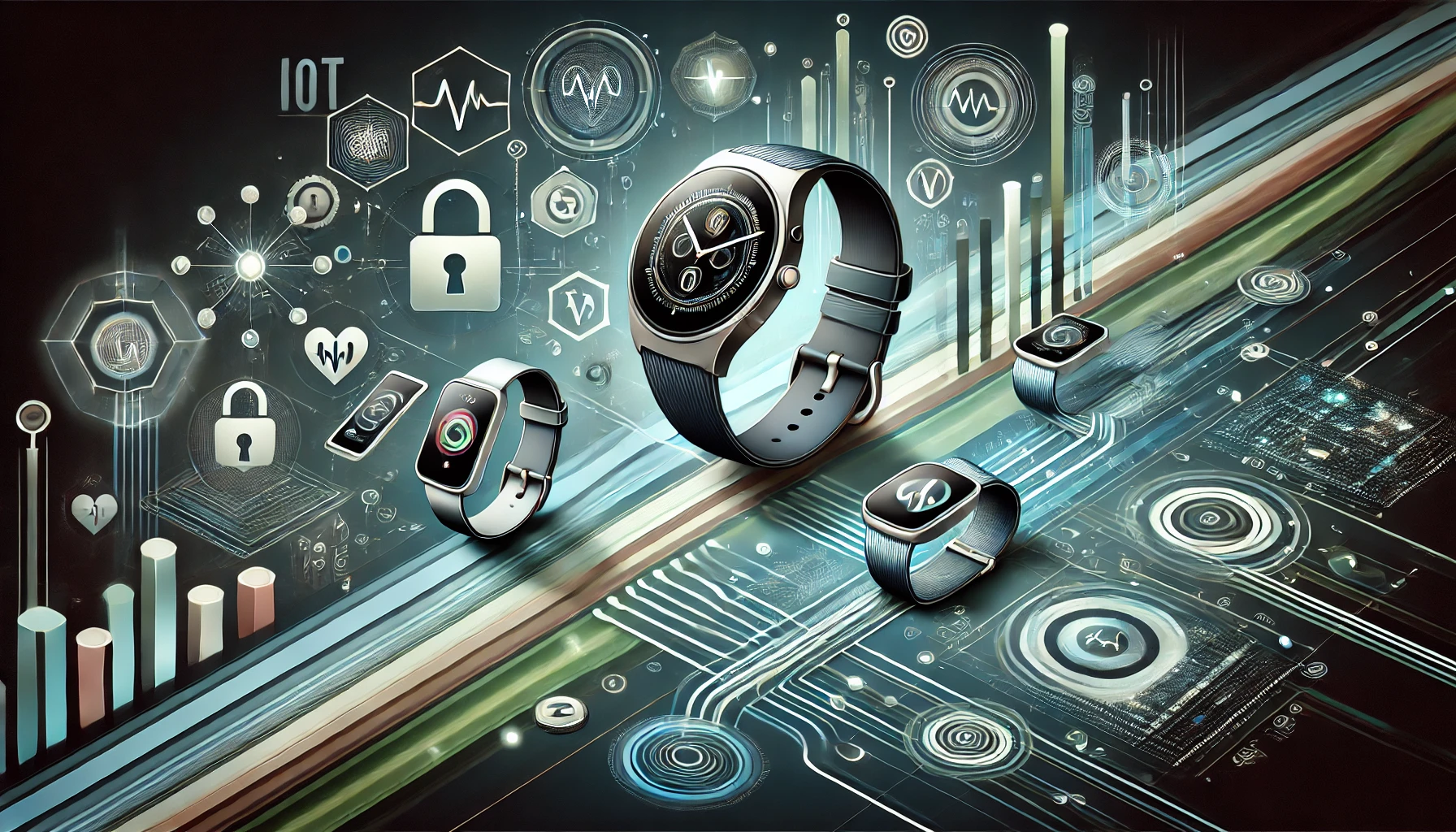
The age of wearables has officially arrived, bringing a new level of convenience to our daily lives. From fitness trackers to smartwatches and even smart glasses, wearable technology has become an essential part of the Internet of Things (IoT) ecosystem. These compact, personal devices provide valuable insights, offer seamless connectivity, and, in many cases, even aid in managing health. But with this unprecedented access to personal data comes a host of security challenges that need immediate attention.
In this blog we’ll explore why securing wearable devices is critical, their unique security challenges, and actionable steps to protect users in this interconnected world.
Why Wearable Device Security Matters
The proliferation of wearables has introduced new ways to improve our lifestyles, but it also brings significant security implications. As they collect and transmit highly sensitive personal data, wearable devices can be prime targets for cybercriminals. Here are some reasons why wearable device security is becoming essential:
- Data Sensitivity: Wearable devices track various personal information, including heart rate, sleep patterns, location data, and mental health indicators. If intercepted, this level of personal data could be used maliciously or exploited for identity theft. Protecting this sensitive information is vital for user privacy.
- A Connected Ecosystem: Wearables do not operate in isolation. They connect with smartphones, tablets, cloud storage, and other IoT devices, forming a networked ecosystem. While this connectedness offers ease and integration, it also widens the scope for potential breaches. Compromising a single wearable device could grant hackers access to multiple other devices within the network, heightening the risk.
- Privacy and Compliance Risks: In sectors such as healthcare, wearables can pose significant compliance challenges. Regulations like HIPAA in the United States place stringent requirements on storing and sharing personal health information. Companies that develop or distribute wearables are legally responsible for securing user data and ensuring compliance. Failure to do so can lead to legal consequences and damage to reputation and user trust.
Key Security Challenges in Wearable Devices
Although wearables offer valuable insights and enhanced connectivity, they also face unique security challenges. Their design limitations, lack of standardization, and other issues pose obstacles for effective security. Here’s a closer look at the key challenges:
- Limited Processing Power
Wearables’ small size limits their memory and power, often leading manufacturers to compromise on security to maintain functionality and battery life.
- Lack of Standardization
With diverse brands and models, security standards vary widely. Some prioritize protection, while others focus on cost, creating inconsistent security across devices.
- Firmware and Software Vulnerabilities
Rapid updates are needed to patch vulnerabilities, but many users don’t update regularly, exposing wearables. Bluetooth and Wi-Fi reliance also introduce additional risks.
- Data Interception Risks
Wearables frequently use Bluetooth, which is vulnerable to eavesdropping. Limited device processing power can prevent strong encryption, increasing data interception risks.
Common Threats Facing Wearable Devices
Several types of cyber threats specifically target wearable devices, making them vulnerable in the IoT ecosystem. Understanding these threats is essential to grasp the urgency of implementing effective security measures.
- Man-in-the-Middle (MitM) Attacks
Attackers can intercept unencrypted data between wearables and paired devices, manipulating it or stealing sensitive information, especially over public or unsecured networks.
- Physical Theft and Unauthorized Access
Wearables are easily lost or stolen, putting sensitive data at risk. Stolen devices connected to user accounts can provide attackers with access beyond the wearable itself.
- Malware Infections
Though less common, malware can target wearables via connected devices like smartphones, compromising data and functionality.
- Location Tracking and Privacy Issues
Wearables with GPS track real-time locations, potentially exposing users to safety risks if companies hack or mishandle data.
Strategies for Securing Wearable Devices
Given wearables’ unique security challenges, here are some effective strategies to enhance wearable device security. These measures can mitigate the risks and protect both user privacy and the integrity of the connected ecosystem.
- Data Encryption
End-to-end encryption is vital to secure data wearables collect, protecting it from interception. Companies should prioritize robust encryption protocols. - Regular Firmware Updates
Frequent firmware updates are necessary to patch vulnerabilities. Automatic updates can simplify the process and help keep devices secure. - Authentication Controls
Strong authentication, like biometrics or MFA, prevents unauthorized access to wearables, adding essential security for devices handling sensitive data. - User Education
Educating users on secure practices, like avoiding public Wi-Fi, updating devices, and using strong passwords, can reduce common security risks. - Secure Pairing Protocols
Using secure Bluetooth pairing methods, such as passcodes and limiting discoverability, can help protect wearables from unauthorized connections.
In conclusion, the rise of wearable devices has brought convenience, but it has also introduced new security risks that can’t be ignored. Protecting wearable devices from cyber threats is essential for safeguarding user privacy and the integrity of the IoT ecosystem. By adopting encryption, updating firmware, implementing strong authentication, and educating users, companies and individuals alike can improve the security of wearable devices. As technology continues to evolve, securing wearables will be essential in fortifying the next frontier of IoT security, ensuring that our most personal devices remain safe and reliable.
Security, AI Risk Management, and Compliance with Akitra!
In the competitive landscape of SaaS businesses, trust is paramount amidst data breaches and privacy concerns. Akitra addresses this need with its leading AI-powered Compliance Automation platform. Our platform empowers customers to prevent sensitive data disclosure and mitigate risks, meeting the expectations of customers and partners in the rapidly evolving landscape of data security and compliance. Through automated evidence collection and continuous monitoring, paired with customizable policies, Akitra ensures organizations are compliance-ready for various frameworks such as SOC 1, SOC 2, HIPAA, GDPR, PCI DSS, ISO 27001, ISO 27701, ISO 27017, ISO 27018, ISO 9001, ISO 13485, ISO 42001, NIST 800-53, NIST 800-171, NIST AI RMF, FedRAMP, CCPA, CMMC, SOX ITGC, and more such as CIS AWS Foundations Benchmark, Australian ISM and Essential Eight etc. In addition, companies can use Akitra’s Risk Management product for overall risk management using quantitative methodologies such as Factorial Analysis of Information Risks (FAIR) and qualitative methods, including NIST-based for your company, Vulnerability Assessment and Pen Testing services, Third Party Vendor Risk Management, Trust Center, and AI-based Automated Questionnaire Response product to streamline and expedite security questionnaire response processes, delivering huge cost savings. Our compliance and security experts provide customized guidance to navigate the end-to-end compliance process confidently. Last but not least, we have also developed a resource hub called Akitra Academy, which offers easy-to-learn short video courses on security, compliance, and related topics of immense significance for today’s fast-growing companies.
Our solution offers substantial time and cost savings, including discounted audit fees, enabling fast and cost-effective compliance certification. Customers achieve continuous compliance as they grow, becoming certified under multiple frameworks through a single automation platform.
Build customer trust. Choose Akitra TODAY! To book your FREE DEMO, contact us right here.