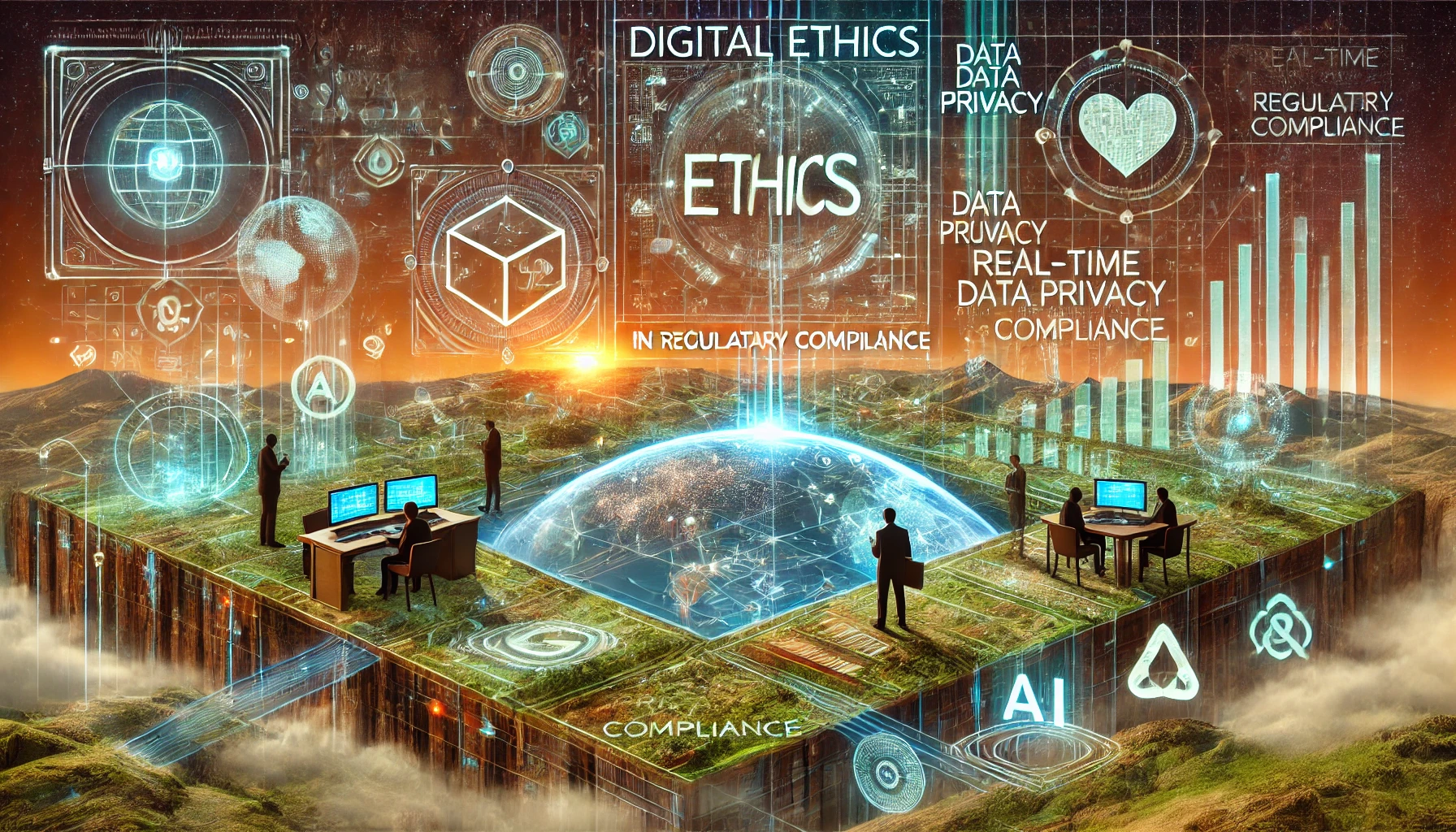
In the rapidly evolving digital landscape, businesses face increasing scrutiny over their ethical use of technology and data. As organizations strive to stay competitive and compliant with regulatory frameworks, digital ethics becomes paramount. Digital ethics encompasses the principles and practices that govern the responsible use of technology, ensuring that actions taken in the digital realm align with moral and societal values. When integrated with regulatory compliance, digital ethics safeguards data and privacy and builds trust and credibility with stakeholders. This blog explores the critical intersection of digital ethics and regulatory compliance, highlighting key concepts, their importance, and best practices for businesses to navigate this complex terrain effectively.
Introduction to Digital Ethics and Regulatory Compliance
As businesses increasingly rely on digital technologies, the intersection of digital ethics and regulatory compliance has become more critical. Digital ethics refers to the moral principles that guide the use of digital technology and data, while regulatory compliance involves adhering to laws and regulations governing these technologies. Both are essential in fostering trust, safeguarding data, and ensuring responsible technology use.
Grasping Digital Michael: Important Ideas and Rules
- Privacy: Making sure people can control their data.
- Security: Keeping data safe from unauthorized access and breaches.
- Transparency: We ensure everyone knows how we gather, use, and share data.
- Accountability: We make businesses take responsibility for their online actions and choices.
- Integrity: We keep data accurate and dependable throughout its life.
Importance of Digital Ethics in Today’s Digital Age
- Trust Building: When companies follow digital ethics, customers trust them more.
- Reputation Management: A company that breaks ethical rules can ruin its good name and lose money.
- Legal Compliance: Following ethical rules helps companies obey laws and avoid fines.
- Consumer Demand: More customers know about their digital rights and want companies to follow ethical rules.
How Digital Ethics Affects Following Rules
- Legal Alignment: Digital ethics ensures business practices align with existing laws and regulations.
- Risk Mitigation: Ethical practices reduce the risk of data breaches and non-compliance penalties.
- Operational Efficiency: Streamlined ethical processes can enhance overall business efficiency.
- Market Advantage: Companies with strong ethical practices often enjoy a competitive edge.
Ethical Considerations in Data Collection and Usage
- Informed Consent: Obtaining explicit permission from users before collecting their data.
- Minimization: Collecting only the data that is necessary for the intended purpose.
- Purpose Limitation: Using data solely for the purposes stated during collection.
- Data Anonymization: Removing personally identifiable information to protect user privacy.
The Role of Transparency and Accountability in Digital Ethics
- Clear Policies: Establishing and communicating clear data usage policies.
- Regular Audits: Conducting regular audits to ensure adherence to ethical practices.
- Stakeholder Engagement: Involving stakeholders in discussions about data ethics.
- Incident Reporting: Implementing mechanisms for reporting and addressing ethical breaches.
Best Practices for Integrating Digital Ethics into Compliance Programs
- Ethical Guidelines: Developing comprehensive ethical guidelines for digital practices.
- Technology Assessment: Regularly assessing technologies for ethical implications.
- Stakeholder Collaboration: Working with stakeholders to develop ethical practices.
- Continuous Improvement: Regularly updating ethical standards and practices.
Employee Training and Awareness of Digital Ethics
- Training Programs: Implementing regular training programs on digital ethics.
- Awareness Campaigns: Conducting awareness campaigns to educate employees on ethical practices.
- Ethical Culture: Fostering an organizational culture that values digital ethics.
- Feedback Mechanisms: Establishing channels for employees to report ethical concerns.
Integrating digital ethics into regulatory compliance is essential for businesses operating in the digital age. Adhering to ethical principles such as privacy, security, transparency, accountability, and integrity can build trust, enhance their reputation, and ensure compliance with legal requirements. Implementing best practices and fostering an ethical culture through employee training and awareness are crucial steps toward achieving responsible and ethical use of digital technologies.
Security, AI Risk Management, and Compliance with Akitra!
In the competitive landscape of SaaS businesses, trust is paramount amidst data breaches and privacy concerns. Akitra addresses this need with its leading AI-powered Compliance Automation platform. Our platform empowers customers to prevent sensitive data disclosure and mitigate risks, meeting the expectations of customers and partners in the rapidly evolving landscape of data security and compliance. Through automated evidence collection and continuous monitoring, paired with customizable policies, Akitra ensures organizations are compliance-ready for various frameworks such as SOC 1, SOC 2, HIPAA, GDPR, PCI DSS, ISO 27001, ISO 27701, ISO 27017, ISO 27018, ISO 9001, ISO 13485, ISO 42001, NIST 800-53, NIST 800-171, NIST AI RMF, FedRAMP, CCPA, CMMC, SOX ITGC, and more such as CIS AWS Foundations Benchmark, Australian ISM and Essential Eight etc. In addition, companies can use Akitra’s Risk Management product for overall risk management using quantitative methodologies such as Factorial Analysis of Information Risks (FAIR) and qualitative methods, including NIST-based for your company, Vulnerability Assessment and Pen Testing services, Third Party Vendor Risk Management, Trust Center, and AI-based Automated Questionnaire Response product to streamline and expedite security questionnaire response processes, delivering huge cost savings. Our compliance and security experts provide customized guidance to navigate the end-to-end compliance process confidently. Last but not least, we have also developed a resource hub called Akitra Academy, which offers easy-to-learn short video courses on security, compliance, and related topics of immense significance for today’s fast-growing companies.
Our solution offers substantial time and cost savings, including discounted audit fees, enabling fast and cost-effective compliance certification. Customers achieve continuous compliance as they grow, becoming certified under multiple frameworks through a single automation platform.
Build customer trust. Choose Akitra TODAY! To book your FREE DEMO, contact us right here.