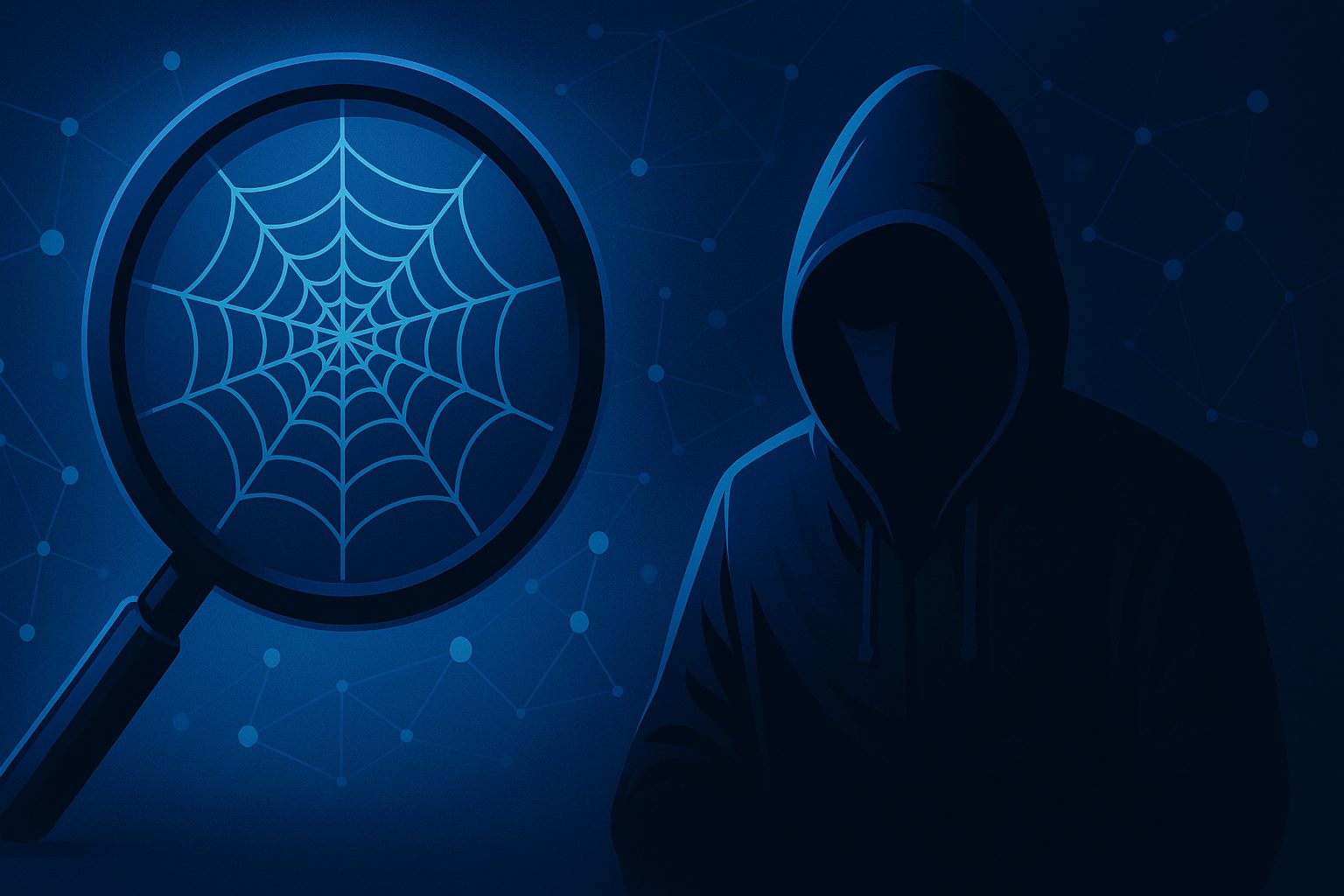
In an increasingly monitored digital world, the Dark Web empowers individuals by providing a safe refuge for those seeking privacy and anonymity. However, it’s important to acknowledge that it can also act as a haven for illegal activities and crimes, posing potential risks.
Users can access this ecosystem’s inaccessible, hidden websites, forums, and markets through standard search engines. This allows for the pursuit of anonymity for both legal and illegal purposes, including drug trafficking, cyberattacks, and the illicit trade of stolen data. Due to this duality, the Dark Web raises difficult moral and legal issues concerning cybersecurity, law enforcement, and privacy rights.
In this blog, we will delve into the mysterious world of the dark web and explore how it can be a double-edged sword for privacy and criminal activities. But first, let’s define the dark web.
What is the Dark Web?
The Dark Web is a section of the internet that’s not visible to users, doesn’t appear in search results, and can’t be accessed with standard web browsers. To access this hidden world, users need to use a special tool called the Tor browser. The Tor browser works by bouncing your online activity around a global network of relays, making it difficult for anyone to trace your activity back to you. This tool is crucial for maintaining privacy on the Dark Web. Additionally, the Dark Web uses sophisticated encryption to protect the anonymity of both site hosts and visitors.
The dark web is a complex network of hidden forums, websites, and marketplaces. It’s a place where people can engage in a variety of activities. For instance, some use it for legal pursuits like anonymous communication, reporting fraud, and accessing privacy-enhancing services. Others, however, exploit its anonymity for illegal activities such as selling weapons, trafficking drugs, engaging in cybercrime, and trading stolen data. This dual nature of the dark web, providing privacy for some and a haven for criminals, poses significant challenges for law enforcement and cybersecurity efforts.
To truly understand how the dark web acts as a double-edged sword for privacy and crime, you need to understand the advantages of using the dark web and the potential risks associated with it. Please read the following sections, in which we have covered both aspects in detail.
Advantages of Using the Dark Web
The dark web is an invaluable resource for anyone who needs to connect privately from the prying eyes of government monitoring or for people who live under oppressive regimes. Many users use the Tor browser because it promises anonymity, while others use it because of the extra security it offers. For instance, it is essential to be able to communicate without worrying about being followed for the following personalities:
- Whistleblowers and journalists who work together to expose corruption in businesses and government offices.
- People who live in nations with restrictions can nevertheless obtain balanced news sources that are restricted or controlled in other cases.
- Political activists who want to gather and demonstrate without worrying about reprisals from the government.
- People are looking for private medical consultations without having their privacy violated.
Moreover, about one-third of the dark web users are also motivated by curiosity about what it offers. The dark web’s layers of protection and anonymity are advantageous to regular internet users as well for a range of safe and lawful activities, such as:
- For Educational Purposes: Barrier-free access to scholarly research.
- Privacy-Focused Browsing: Search engines that do not track your queries or inundate you with advertisements.
- Accessing Content: Seeing things that are blocked in some areas.
- Financial Privacy: Increasing the security of [cryptocurrency] and other transaction management
- Using Social Media: Using sites where there is no government surveillance.
- Exploration of Special Interests: Finding original information, such as blogs concerning hidden tunnels beneath buildings or anonymous chess games.
- Engaging in Anonymous Communications: Using chat rooms where people may converse openly without disclosing who they are.
These examples highlight how the dark web can serve as a crucial platform for freedom of expression and privacy.
Potential Risks Associated with the Dark Web
There are many safety concerns on the dark web, the most prominent of which is encounters with websites controlled by criminals that sell illicit goods and services and the additional danger of theft and exploitation. Since the law is applied equally in this hidden section of the internet, engaging in illegal activity may result in prosecution. Clicking on dubious links and downloading files is another risk associated with the dark web, which could expose users to undesirable content or malware infestations. While law enforcement’s covert presence tries to stop illegal activity, it also highlights the legal risks associated with the dark web.
Hacker forums and viruses are also common, and there are prospects for illicit hacking services and a variety of spyware that could infiltrate your gadgets. The risk of privacy invasion posed by camera hijacking via remote administration tools further emphasizes the significance of physical security measures like covering webcams while not in use. Numerous risks are associated with network breaches and data compromises on the dark web. These include malware, illegal access, espionage, phishing, and the theft of private data, including financial and consumer information, intellectual property, and more. Each category offers a danger of devaluing businesses by harming their reputations, interfering with operations through malware assaults, or deceiving them by stealing important data.
Furthermore, the threat posed by ransomware-as-a-service, or RaaS, has grown, with criminal organizations like REvil and GandCrab providing advanced malware via the dark web. These assaults show a profitable business model for hackers because they breach data and threaten to make it publicly available unless a ransom is paid. Thus, safety must be prioritized when navigating the dark web. To do this, educating oneself about potential hazards and using strong security measures to preserve privacy and protect data is important.
Understanding the ethical and legal implications of using the Dark Web is crucial. By doing so, we can navigate this digital landscape responsibly, ensuring our actions align with legal and ethical standards.
Ethical and Legal Implications of Using the Dark Web
With its promise of anonymity and privacy, the dark web presents a complex landscape with ethical and legal implications that challenge traditional law enforcement norms and personal privacy. These implications include the following:
Ethical Implications
- Privacy vs. Security: The dark web’s capability to provide anonymity is a double-edged sword. On the one hand, it offers a vital refuge for individuals in oppressive regimes, enabling free speech, activism, and whistleblowing without fear of retaliation. For example, platforms like SecureDrop allow whistleblowers to leak information to journalists securely. On the other hand, this same anonymity can shield criminal activities such as drug trafficking, human trafficking, and illegal arms sales, making it difficult for law enforcement to trace and prosecute offenders.
- Moral Responsibility: The dark web raises questions about moral responsibility. Should individuals and companies be responsible for the unintended negative uses of technologies they develop? For instance, the developers of Tor created it to enhance privacy and freedom online, yet it has been co-opted for illegal activities. The ethical responsibility of developers and users to prevent misuse is a topic of ongoing debate.
Legal Implications
- Law Enforcement Challenges: The dark web complicates law enforcement efforts due to its encryption and anonymity features. Traditional investigative techniques often fall short, necessitating new methods and tools. Law enforcement agencies must balance the use of invasive surveillance technologies against the rights to privacy and due process. This can lead to controversial practices, such as hacking into dark web servers or deploying malware to track users.
- Jurisdictional Issues: The dark web’s global nature creates jurisdictional challenges. Crimes conducted on the dark web often span multiple countries, making it difficult to determine which legal system has authority. This necessitates international cooperation and treaties, which can slowly develop and enforce.
- Regulatory Responses: Governments worldwide are grappling with how to regulate the dark web without infringing on civil liberties. Striking a balance between national security and individual privacy rights is hard. Overly stringent regulations could stifle legitimate uses of anonymity tools, while lax regulations could encourage criminal activities.
Overall, the dark web poses significant ethical and legal challenges that require a nuanced approach. Balancing the protection of individual privacy with the need for security and law enforcement efficacy demands careful consideration and innovative legal and technological solutions. As the dark web evolves, ongoing dialogue and stakeholder cooperation will be crucial in addressing these multifaceted issues.
Want to navigate the dark web without landing in any hot waters? Follow the tips given in the next section to enhance your security.
Tips to Navigate the Dark Web Successfully
Like the measures taken on the surface web, navigating the dark web requires following certain best practices to secure personal information. These include —
- Employing a VPN: Establishing a private network from a public internet connection improves your anonymity. It makes it harder for thieves to follow you by obscuring your online activity and enabling you to disguise your location.
- Check the URLs: Onion URLs placed online should raise suspicions. If you cannot get a suggestion from a reliable source, verify the URL with several other sources to ensure it is real.
- Steer Clear of Unknown Links: Exercise caution while clicking on links. Anything hazardous or offensive could be clicked on.
- Protect Your Personal Data: Use caution when disclosing any personal information. Since SSL certificates are frequently missing from the dark web, it can be difficult to determine websites’ authenticity.
- Retain Real-World Ethics: Remember that there are laws on the dark web. Steer clear of online actions that you wouldn’t think proper in real life. Governments and law enforcement may continue to monitor what happens on the dark web.
These precautions can enable any user to reduce the hazards of using the dark web and browse it more safely.
Cybersecurity and Compliance with Akitra!
Establishing trust is a crucial competitive differentiator when courting new SaaS businesses in today’s era of data breaches and compromised privacy. Customers and partners want assurances that their organizations are doing everything possible to prevent disclosing sensitive data and putting them at risk, and compliance certification fills that need.
Akitra offers an industry-leading, AI-powered Compliance Automation platform for SaaS companies. With its expertise in technology solutions and compliance, Akitra is well-positioned to assist companies in navigating the complexities of compliance and assisting in using automation tools to streamline compliance processes and put in best practices for cybersecurity posture. In addition, Akitra can provide invaluable guidance in implementing the necessary frameworks and processes that prevent malicious agents from manipulating sensitive information using the dark web.
Using automated evidence collection and continuous monitoring, together with a full suite of customizable policies and controls as a compliance foundation, our compliance automation platform and services help our customers become compliance-ready for security standards, such as SOC 1, SOC 2, HIPAA, GDPR, PCI DSS, ISO 27001, ISO 27701, ISO 27017, ISO 27018, ISO 9001, ISO 13485, ISO 42001, NIST CSF, NIST 800-53, NIST 800-171, NIST 800-218, NIST AI RMF, FedRAMP, CCPA, CMMC, SOX ITGC, and more such as CIS AWS Foundations Benchmark, Australian ISM and Essential Eight etc. In addition, companies can use Akitra’s Risk Management product for overall risk management using quantitative methodologies such as Factorial Analysis of Information Risks (FAIR) and qualitative methods, including NIST-based for your company, Vulnerability Assessment and Pen Testing services, Third Party Vendor Risk Management, Trust Center, and AI-based Automated Questionnaire Response product to streamline and expedite security questionnaire response processes, delivering huge cost savings. Our compliance and security experts provide customized guidance to navigate the end-to-end compliance process confidently. Last but not least, we have also developed a resource hub called Akitra Academy which provides easy-to-learn short video courses on security, compliance, and related topics of immense significance for today’s fast-growing companies.
The benefits of our solution include enormous savings in time, human resources, and cost savings, including discounted audit fees with our audit firm partners. Customers can achieve compliance certification fast and cost-effectively, stay continuously compliant as they grow, and become certified under additional frameworks from our single compliance automation platform.
Build customer trust. Choose Akitra TODAY!
To book your FREE DEMO, contact us right here.