In recent years, the emergence of “Shadow IT”—using unapproved software and devices by employees—has posed significant challenges for IT security and compliance teams. While employees may turn to these technologies to boost productivity, Shadow IT brings serious risks, including data breaches, regulatory violations, and vulnerabilities in infrastructure. For businesses aiming to maintain compliance and ensure data security, it is essential to understand and manage the risks associated with Shadow IT.
Introduction to Shadow IT: What It Is and Why It Happens
Shadow IT encompasses any technology, software, or system that employees utilize within an organization without the explicit approval of the IT department. This can include personal cloud storage solutions, messaging apps, and unverified devices connected to corporate networks. The increase in remote work and the availability of SaaS (Software as a Service) tools have broadened the prevalence of Shadow IT in the workplace.
Why Shadow IT Persists
Shadow IT continues to thrive mainly because employees look for tools that may not be readily available or as user-friendly within the approved IT systems. They often desire quicker collaboration tools, remote access options, or specialized software tailored to specific project needs. When IT processes appear overly restrictive or cumbersome, employees frequently opt for alternatives that offer immediate functionality.
Common Types of Shadow IT in the Workplace
Recognizing the various types of Shadow IT is crucial for organizations to identify and address potential risks effectively. The most prevalent forms include:
- Cloud Storage: Utilizing unauthorized services such as Google Drive, Dropbox, or OneDrive to store and share files.
- Messaging and Collaboration Apps: Employees might resort to platforms like WhatsApp, Slack, or Trello, particularly when official communication channels are limited.
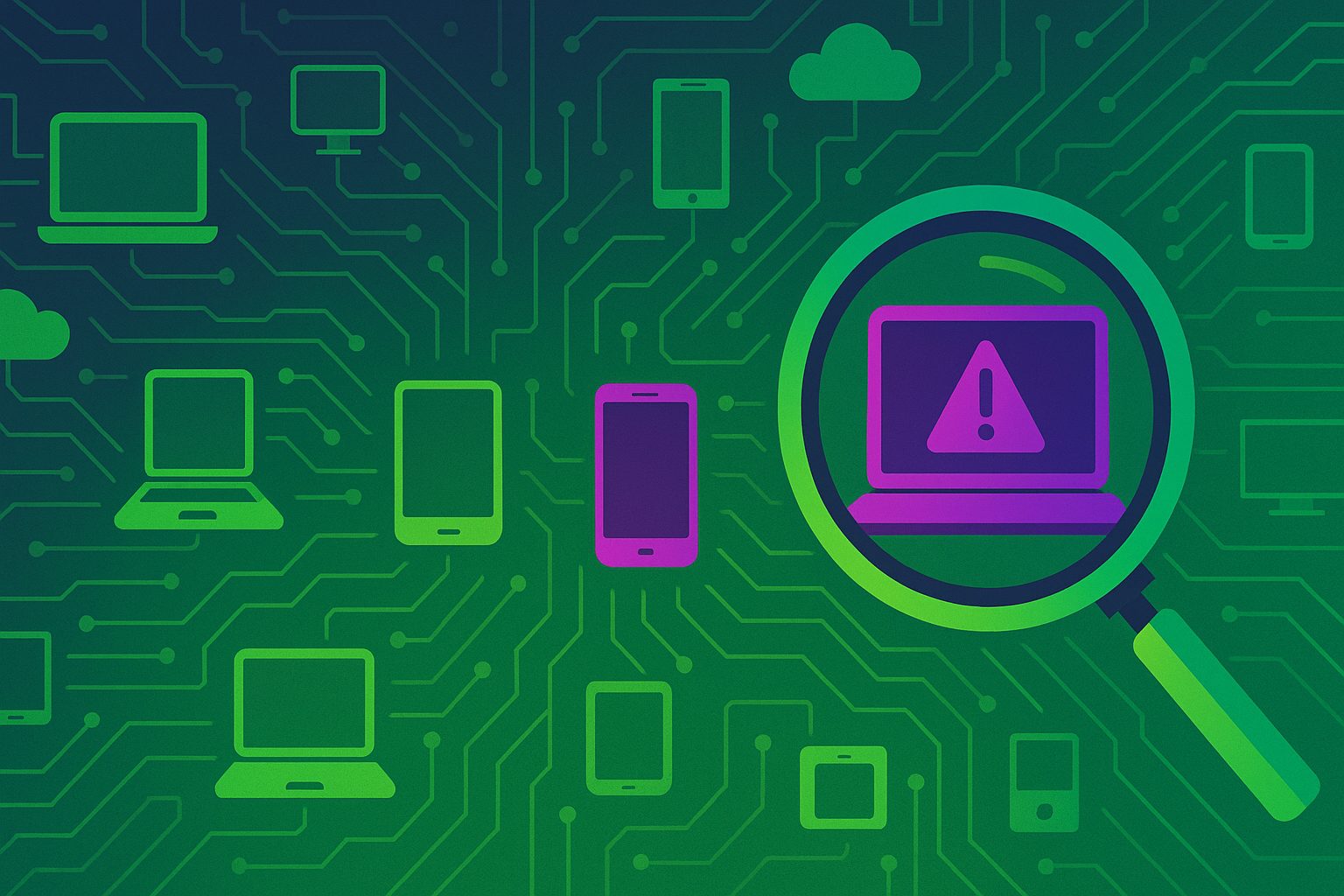
- Unapproved Devices: This category encompasses laptops, smartphones, and USB drives that are not authorized or monitored by the IT department.
- Unauthorized Software: Employees frequently download unlicensed software, especially when they need specific programs.
Each category presents unique risks to data security and compliance, particularly if data-sharing practices are not properly managed or tracked.
Risks and Dangers of Unauthorized Technology Use
The presence of Shadow IT can result in:
- Data Breaches: Unverified applications and devices heighten the risk of data exposure, especially if personal devices lack sufficient security measures.
- Compliance Violations: Regulations such as GDPR, HIPAA, and CMMC mandate strict data control; Shadow IT creates blind spots that complicate compliance efforts.
- Malware and Ransomware Attacks: Non-approved applications are less likely to receive necessary patches or updates, rendering them susceptible to malware and ransomware threats.
- Data Loss: Shadow IT is not monitored, so data stored on personal devices or unauthorized applications can be lost if these systems fail or if employees leave the organization.
Impact of Shadow IT on Data Security and Compliance
When data moves through unauthorized channels, tracking, monitoring, and securing it becomes increasingly difficult. Shadow IT complicates risk management and raises the chances of falling out of compliance with industry regulations. For example, healthcare organizations that manage PHI (Protected Health Information) under HIPAA risk facing hefty fines if sensitive data is mishandled.
The risks to data security grow in sectors that deal with large amounts of sensitive information, such as financial institutions, healthcare providers, and government agencies. Additionally, compliance teams struggle to maintain visibility over data flows, making it difficult to enforce retention policies, encryption, and secure disposal methods.
Identifying and Detecting Shadow IT in Your Organization
An effective strategy for detecting Shadow IT should include the following:
- Network Monitoring Tools: Regularly scan the network to identify unauthorized software and devices.
- Access Logs: Analyze logs to find unusual access patterns suggesting Shadow IT.
- Asset Management: Utilize asset inventory tools to keep track of both authorized and unauthorized devices.
- User Activity Monitoring: By examining user behavior, organizations can detect anomalies, such as employees using unapproved applications.
By implementing these detection tools, IT teams can enhance their visibility into the non-sanctioned technologies employees may utilize.
Strategies for Managing and Reducing Shadow IT Risks
A successful strategy for managing Shadow IT centers on minimizing why employees might bypass IT policies. Key strategies include:
- Streamline IT Approval Processes: Slow, formal processes cause employees to resort to shadow IT. By speeding up these procedures, IT teams can make approved tools more readily available.
- Regular Security Awareness Training: It’s important to educate employees about the dangers of using unapproved technology and its effects on data security and compliance.
- Encourage Communication: Foster an environment where employees feel comfortable expressing their technology needs, allowing IT to assess and possibly approve tools to meet them safely.
Implementing Policies to Address Shadow IT
Creating a clear Shadow IT policy is crucial. This policy should:
- Define Acceptable Use: Specify which types of software and devices are allowed.
- Outline Consequences: Inform employees about the risks and penalties of using unapproved software.
- Offer Alternatives: For employees with legitimate needs for specific tools, identify safe and compliant options that can fulfill those requirements.
Well-defined policies provide a framework for employees to understand their responsibilities in maintaining compliance and data security, thereby reducing the prevalence of Shadow IT.
Role of IT and Security Teams in Shadow IT Management
IT and security teams play a crucial role in managing Shadow IT by actively monitoring, identifying, and addressing it. Their key responsibilities include:
- Regular Audits: Performing regular software and device usage audits throughout the organization.
- User Education: IT teams should train users on safe technology practices and the risks linked to Shadow IT.
- Security Enforcement: Implementing security measures like endpoint protection, VPNs, and access controls to ensure data flows through approved channels.
By taking an active role, IT and security teams can help mitigate the security risks Shadow IT poses.
Educating Employees on the Risks of Shadow IT
A successful Shadow IT management program relies on employee awareness. It’s important to hold regular training sessions that cover:
- Cybersecurity Risks: Highlight common vulnerabilities that Shadow IT can introduce, such as phishing and malware.
- Compliance Requirements: Inform employees about industry regulations, consequences of non-compliance, and their responsibilities in maintaining compliance.
- Safe Alternatives: Direct employees toward approved software and devices that meet their needs effectively.
Leveraging Technology Solutions to Control Shadow IT
Technology solutions can enhance visibility and control over Shadow IT. Consider integrating:
- CASB (Cloud Access Security Broker): CASBs help identify cloud applications, making spotting unauthorized software and data transfers easier.
- DLP (Data Loss Prevention): DLP tools manage data sharing across applications and devices, preventing leaks through unauthorized channels.
- IAM (Identity and Access Management): IAM solutions protect access, ensuring that only authorized users can access sensitive data, essential for maintaining compliance.
Organizations can proactively monitor Shadow IT and improve data governance by implementing these technologies.
Balancing Security with Employee Productivity
While managing Shadow IT is important, organizations must balance security measures with employee productivity. Enforcing stricter controls over technology use without considering employee needs can stifle flexibility and innovation.
To strike a productive balance:
- Promote IT-approved tools that provide similar functionality to popular Shadow IT alternatives.
- Encourage open conversations with teams to identify technology gaps and collaboratively develop solutions.
- Review policies and processes regularly to ensure they meet the evolving needs of the business and employees without sacrificing security.
By doing this, organizations can reduce Shadow IT risks while creating a secure and productive work environment.
The impact of Shadow IT on data security and compliance is a growing concern for modern organizations. Shadow IT increases the risk of data breaches, compliance failures, and cybersecurity vulnerabilities, from unauthorized cloud storage to unsanctioned devices. By establishing robust policies, educating employees, and leveraging security technologies, companies can gain control over Shadow IT while ensuring a secure, compliant, and efficient workplace. Taking proactive steps safeguards sensitive information and supports compliance with cybersecurity frameworks essential to business continuity.
Security, AI Risk Management, and Compliance with Akitra!
In the competitive landscape of SaaS businesses, trust is paramount amidst data breaches and privacy concerns. Akitra addresses this need with its leading AI-powered Compliance Automation platform. Our platform empowers customers to prevent sensitive data disclosure and mitigate risks, meeting the expectations of customers and partners in the rapidly evolving landscape of data security and compliance. Through automated evidence collection and continuous monitoring, paired with customizable policies, Akitra ensures organizations are compliance-ready for various frameworks such as SOC 1, SOC 2, HIPAA, GDPR, PCI DSS, ISO 27001, ISO 27701, ISO 27017, ISO 27018, ISO 9001, ISO 13485, ISO 42001, NIST 800-53, NIST 800-171, NIST AI RMF, FedRAMP, CCPA, CMMC, SOX ITGC, and more such as CIS AWS Foundations Benchmark, Australian ISM and Essential Eight etc. In addition, companies can use Akitra’s Risk Management product for overall risk management using quantitative methodologies such as Factorial Analysis of Information Risks (FAIR) and qualitative methods, including NIST-based for your company, Vulnerability Assessment and Pen Testing services, Third Party Vendor Risk Management, Trust Center, and AI-based Automated Questionnaire Response product to streamline and expedite security questionnaire response processes, delivering huge cost savings. Our compliance and security experts provide customized guidance to navigate the end-to-end compliance process confidently. Last but not least, we have also developed a resource hub called Akitra Academy, which offers easy-to-learn short video courses on security, compliance, and related topics of immense significance for today’s fast-growing companies.
Our solution offers substantial time and cost savings, including discounted audit fees, enabling fast and cost-effective compliance certification. Customers achieve continuous compliance as they grow, becoming certified under multiple frameworks through a single automation platform.
Build customer trust. Choose Akitra TODAY! To book your FREE DEMO, contact us right here.