Key Takeaways
- Penetration testing should go beyond just meeting compliance, it’s about improving real security.
- Tests need to cover all critical systems, including applications, APIs, cloud infrastructure, and AI tools.
- Findings must be fixed quickly and validated to ensure vulnerabilities are truly resolved.
- Prioritize remediation based on risk, focusing on the issues attackers are most likely to exploit.
- Combining AI automation with expert-led testing helps maintain continuous visibility and readiness.
Why Penetration Testing Matters
A penetration test simulates real-world cyberattacks to identify vulnerabilities that attackers could exploit.
A well-executed penetration test helps organizations:
- Discover security weaknesses
- Validate security controls
- Test detection and response capabilities
- Prioritize remediation efforts
- Improve compliance readiness
- Reduce breach risks
However, these benefits are only achieved when organizations avoid common Penetration Testing Mistakes and treat testing as part of an ongoing security strategy.
1. Treating Penetration Testing as a Compliance Checkbox
One of the biggest Penetration Testing Mistakes organizations make is performing testing only to satisfy compliance requirements.
Many businesses conduct a test once a year simply because frameworks like:
require it.
The result is often a rushed assessment focused on generating a report instead of improving security.
Why This Is a Problem
Attackers do not operate on annual schedules.
Threats evolve constantly, and new vulnerabilities appear every day. A penetration test should help organizations continuously improve security posture, not just pass audits.
Best Practice
Organizations should use penetration testing to:
- Identify exploitable attack paths
- Improve defensive controls
- Validate remediation effectiveness
- Strengthen incident response readiness
Compliance should be a benefit of strong security, not the primary objective.
2. Defining a Poor Testing Scope
Another common Penetration Testing Mistake is using a narrow or unrealistic testing scope.
Organizations sometimes exclude:
- Critical applications
- APIs
- Cloud infrastructure
- Third-party integrations
- Internal systems
- Remote access environments
This often happens because teams want to reduce cost, minimize disruptions, or avoid uncovering additional risks.
Why This Is Dangerous
Attackers look for the weakest entry point.
Even a small overlooked system can provide access to sensitive environments.
For example:
- An exposed API may bypass application security controls
- A forgotten admin portal may allow unauthorized access
- Misconfigured cloud storage could expose sensitive data
Best Practice
Penetration testing scopes should reflect real-world attack surfaces, including:
- Web applications
- APIs
- Cloud environments
- Identity systems
- Endpoints
- Internal networks
- Mobile applications
Testing should align with actual business risks.
3. Ignoring Cloud and AI-Driven Environments
Modern infrastructures are highly dynamic.
Yet many organizations still perform penetration tests designed for traditional on-premise systems.
This creates major Penetration Testing Mistakes in cloud-native and AI-enabled environments.
Common Gaps Include
- Misconfigured cloud permissions
- Insecure AI integrations
- Weak API authentication
- Excessive privileges
- Exposed storage buckets
- Vulnerable CI/CD pipelines
Traditional testing approaches may miss these risks entirely.
Best Practice
Organizations should ensure penetration testing covers:
- AWS, Azure, and GCP environments
- Kubernetes and containers
- AI and LLM integrations
- CI/CD pipelines
- Identity and access controls
- SaaS configurations
Modern attack surfaces require modern testing methodologies.
4. Choosing the Cheapest Testing Provider
Many companies select penetration testing vendors based only on cost.
This is one of the most damaging Penetration Testing Mistakes because low-cost providers may rely heavily on automated scanners with minimal manual validation.
Why Automated Testing Alone Is Not Enough
Automated tools can identify known vulnerabilities, but they often miss:
- Business logic flaws
- Chained attack paths
- Authentication weaknesses
- Privilege escalation scenarios
- API abuse risks
- Complex exploitation techniques
Human expertise is critical for realistic attack simulation.
Best Practice
Organizations should look for penetration testing partners that provide:
- Manual testing expertise
- Real-world attacker simulation
- Cloud and AI security knowledge
- Clear remediation guidance
- Risk prioritization
- Evidence-based reporting
The quality of the assessment matters more than the number of findings.
5. Failing to Remediate Findings Quickly
A penetration test has little value if vulnerabilities remain unresolved.
Unfortunately, delayed remediation is one of the most common Penetration Testing Mistakes organizations make.
Why This Happens
Security teams often face:
- Limited resources
- Competing priorities
- Poor coordination between teams
- Lack of ownership
- Incomplete remediation tracking
As a result, known vulnerabilities may remain open for months.
The Real Risk
Attackers frequently exploit vulnerabilities that organizations already know about but failed to fix.
In some cases, breaches occur even after successful penetration tests because remediation never happened.
Best Practice
Organizations should establish:
- Clear remediation ownership
- Risk-based prioritization
- Remediation deadlines
- Validation testing
- Continuous tracking
Security findings should become operational actions, not archived reports.
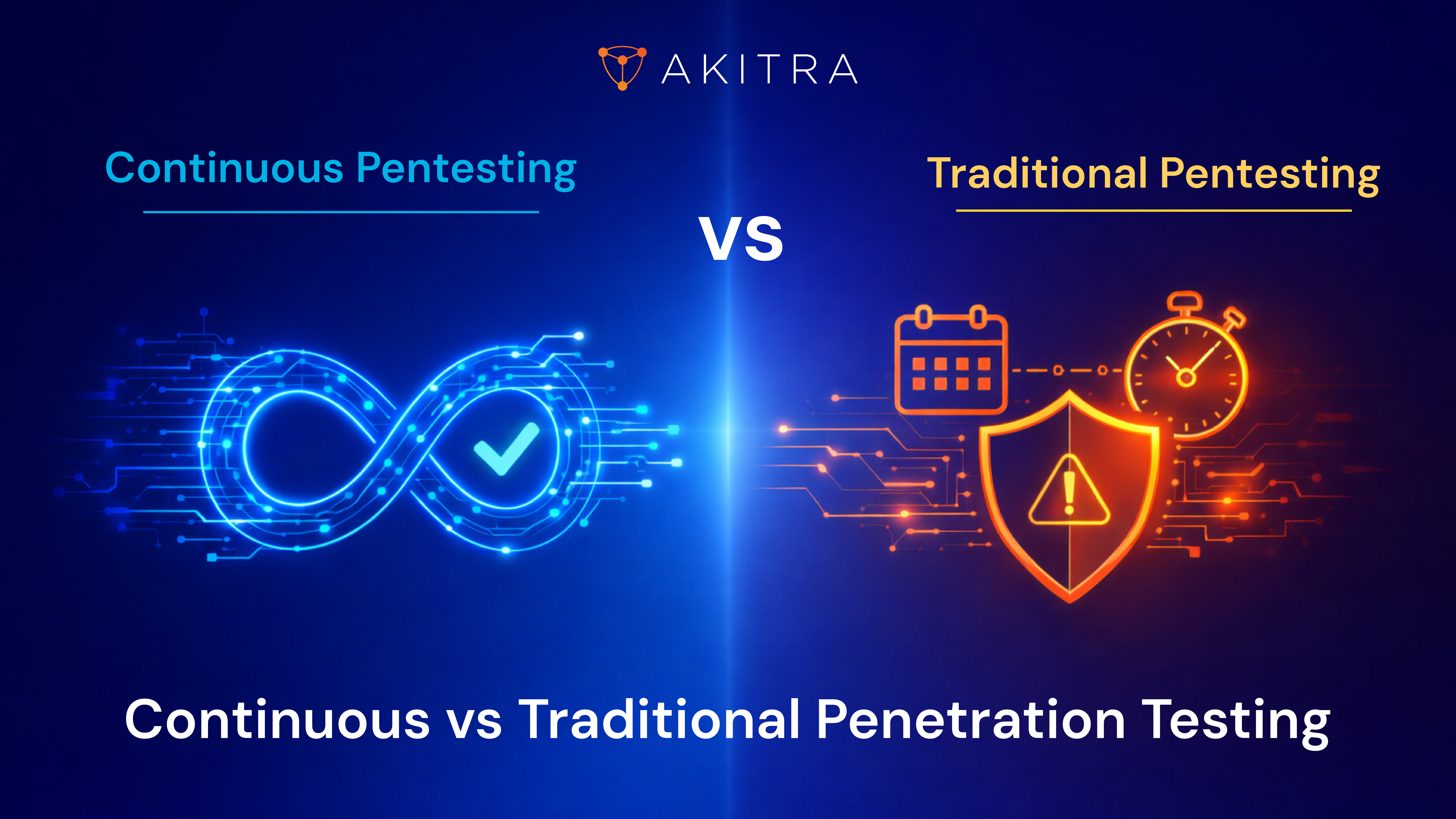
6. Conducting Tests Too Infrequently
Cyber environments change constantly. New applications, integrations, users, and configurations introduce new risks every week. Yet many organizations still test only once per year.
This is another major Penetration Testing Mistake.
Why Annual Testing Is Not Enough
Between annual assessments, organizations may:
- Deploy new applications
- Change cloud configurations
- Add third-party integrations
- Introduce AI tools
- Expand remote access
- Migrate infrastructure
Each change can create new attack paths.
Best Practice
Organizations should adopt continuous security validation strategies that include:
- Regular penetration testing
- Continuous monitoring
- Automated vulnerability scanning
- Configuration assessments
- Red team exercises
High-risk systems may require quarterly or ongoing testing.
7. Ignoring Internal Threat Scenarios
Many penetration tests focus only on external attackers. But insider threats and compromised internal accounts are major risks. Ignoring internal attack paths is another serious Penetration Testing Mistake.
Internal Risks Include
- Excessive privileges
- Weak segmentation
- Shared credentials
- Misconfigured access controls
- Insider misuse
- Lateral movement opportunities
Attackers often gain access through phishing or credential theft and then move internally.
Best Practice
Organizations should include internal penetration testing to evaluate:
- Privilege escalation
- Lateral movement
- Active Directory security
- Identity exposure
- Access management weaknesses
Internal testing provides a more realistic picture of organizational risk.
8. Overlooking Post-Test Validation
Some organizations fix vulnerabilities but never verify whether the remediation actually worked.
This creates another overlooked Penetration Testing Mistake.
Why Validation Matters
Fixes may fail because:
- Patches were applied incorrectly
- Security controls were incomplete
- Misconfigurations remained
- New vulnerabilities were introduced
Without validation, organizations may assume they are protected when they are not.
Best Practice
After remediation:
- Retest critical findings
- Validate exploitability removal
- Confirm security controls function correctly
- Document evidence for audits and compliance
Verification is a critical part of the testing lifecycle.
9. Failing to Prioritize Risks Properly
Not every vulnerability carries the same business impact. One of the common Penetration Testing Mistakes is treating all findings equally.
Why This Creates Problems
Security teams may spend time fixing:
- Low-risk informational issues
while missing: - Critical privilege escalation paths
- Sensitive data exposure
- Remote code execution risks
Best Practice
Organizations should prioritize findings based on:
- Exploitability
- Business impact
- Asset criticality
- Exposure level
- Attack path potential
Risk-based prioritization improves remediation efficiency.
How Akitra Helps Strengthen Penetration Testing Readiness
Modern penetration testing requires more than periodic vulnerability scans. Organizations need continuous visibility into evolving threats, cloud risks, APIs, and modern attack surfaces.
Akitra helps organizations strengthen penetration testing readiness through AI-powered security automation, continuous monitoring, and expert-led security assessments.
With capabilities like:
- Web and API penetration testing
- Cloud security assessments
- AI and LLM security testing
- Continuous control monitoring
- Risk-based remediation guidance
Organizations can identify exploitable weaknesses faster, improve remediation efforts, and maintain stronger security and compliance readiness year-round.
Final Thoughts
Penetration testing is one of the most valuable security practices organizations can perform, but only when done correctly.
The most common Penetration Testing Mistakes often happen outside the test itself:
- Poor scoping
- Weak remediation processes
- Infrequent testing
- Compliance-only thinking
- Ignoring cloud and AI risks
Organizations that treat penetration testing as a continuous security improvement process gain far more value than those simply checking compliance boxes.
Security, AI Risk Management, and Compliance with Akitra!
In the competitive landscape of SaaS businesses, trust is paramount amidst data breaches and privacy concerns. Akitra addresses this need with its leading Agentic AI-powered Compliance Automation platform. Our platform empowers customers to prevent sensitive data disclosure and mitigate risks, meeting the expectations of customers and partners in the rapidly evolving landscape of data security and compliance. Through automated evidence collection and continuous monitoring, paired with customizable policies, Akitra ensures organizations are compliance-ready for various frameworks such as SOC 1, SOC 2, HIPAA, GDPR, PCI DSS, ISO 27001, ISO 27701, ISO 27017, ISO 27018, ISO 9001, ISO 13485, ISO 42001, NIST 800-53, NIST 800-171, NIST AI RMF, FedRAMP, CCPA, CMMC, SOX ITGC, and more such as CIS AWS Foundations Benchmark, Australian ISM and Essential Eight etc. In addition, companies can use Akitra’s Risk Management product for overall risk management using quantitative methodologies such as Factorial Analysis of Information Risks (FAIR) and qualitative methods, including NIST-based for your company, Vulnerability Assessment and Pen Testing services, Third Party Vendor Risk Management, Trust Center, and AI-based Automated Questionnaire Response product to streamline and expedite security questionnaire response processes, delivering huge cost savings. Our compliance and security experts provide customized guidance to navigate the end-to-end compliance process confidently. Last but not least, we have also developed a resource hub called Akitra Academy, which offers easy-to-learn short video courses on security, compliance, and related topics of immense significance for today’s fast-growing companies.
Our solution offers substantial time and cost savings, including discounted audit fees, enabling fast and cost-effective compliance certification. Customers achieve continuous compliance as they grow, becoming certified under multiple frameworks through a single automation platform.
Build customer trust. Choose Akitra TODAY!To book your FREE DEMO, contact us right here.
FAQ’S
Why is annual penetration testing not enough?
Cyber threats evolve continuously, and organizations frequently change their applications, cloud environments, and infrastructure. Annual testing may leave new vulnerabilities undiscovered for months, increasing security risks.
What is the difference between automated scanning and penetration testing?
Automated scanning identifies known vulnerabilities, while penetration testing involves manual security assessments that simulate real-world attacks to uncover deeper issues like business logic flaws, privilege escalation paths, and authentication weaknesses.
How often should organizations perform penetration testing?
The frequency depends on the organization’s risk level, infrastructure changes, and compliance requirements. Many organizations perform penetration testing quarterly, after major system changes, or continuously for high-risk environments.
How can organizations improve penetration testing effectiveness?
Organizations can improve penetration testing effectiveness by defining realistic scopes, including cloud and API environments, prioritizing remediation, validating fixes, and integrating testing into a continuous security strategy.