Cybersecurity compliance isn’t something organizations achieve once and forget. New cloud deployments, software updates, configuration changes, and emerging threats can quickly introduce security gaps that put compliance at risk.
This is why organizations are shifting from periodic compliance to continuous compliance, an approach that continuously monitors and validates security controls throughout the year.
One of the most important components of this strategy is penetration testing. It helps organizations identify exploitable vulnerabilities, verify that security controls are working as intended, and provide evidence that systems remain secure between audits.
Key Takeaways
- Penetration testing validates security controls through real-world attack simulations.
- It helps organizations maintain continuous compliance instead of preparing only before audits.
- Frameworks such as SOC 2, PCI DSS, ISO 27001, and HIPAA recommend or require regular penetration testing.
- Combining automated scanning with expert-led penetration testing provides stronger security assurance.
What Is Penetration Testing?
Penetration testing is an authorized cybersecurity assessment that simulates real-world attacks to identify vulnerabilities across applications, networks, cloud environments, APIs, and infrastructure.
Unlike vulnerability scanning, penetration testing demonstrates whether an attacker can actually exploit identified weaknesses and what impact those vulnerabilities could have on the organization.
This makes penetration testing one of the most effective ways to validate security controls.
The Role of Penetration Testing in Continuous Compliance
Penetration testing plays several critical roles in maintaining compliance throughout the year.
1. Validates Security Controls
Security policies alone don’t prove protection.
A penetration test verifies whether controls like:
- Multi-factor authentication
- Network segmentation
- Access controls
- Web application firewalls
- API security
- Identity management
actually prevent unauthorized access. This provides auditors with evidence that controls operate effectively.
2. Identifies Compliance Gaps Before Audits
Many organizations discover security issues during certification audits. Penetration testing shifts this discovery earlier.
By identifying exploitable vulnerabilities before an assessment, organizations have time to:
- Prioritize remediation
- Retest fixes
- Document corrective actions
- Reduce audit findings
This significantly improves audit readiness.
3. Demonstrates Effective Risk Management
Most security frameworks require organizations to identify, assess, and reduce cyber risks.
Penetration testing supports this process by:
- Measuring real attack paths
- Prioritizing risks by business impact
- Providing remediation recommendations
- Validating security improvements
This creates measurable evidence for risk management programs.
4. Supports Continuous Monitoring
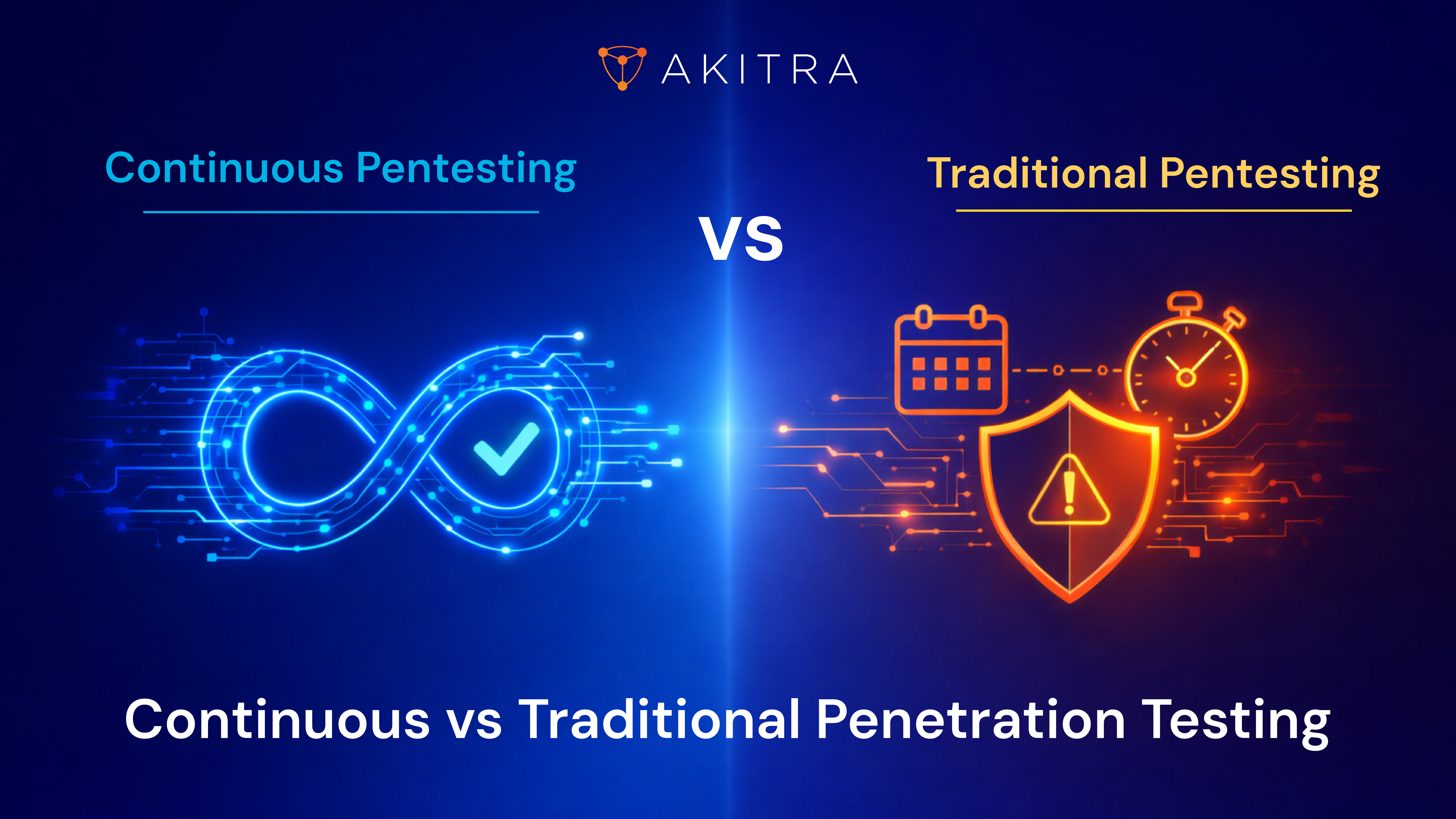
Modern penetration testing isn’t limited to annual engagements. Many organizations now combine:
- Continuous vulnerability scanning
- Scheduled penetration testing
- Cloud security monitoring
- Attack surface management
- Configuration monitoring
Together, these provide ongoing visibility into evolving security risks.
5. Builds Customer and Auditor Confidence
Enterprise customers increasingly request independent security assessments before signing contracts.
Penetration testing reports demonstrate that your organization actively validates security rather than relying solely on documented policies.
This strengthens customer trust while simplifying vendor security reviews.
Compliance Frameworks That Benefit from Penetration Testing
Many security and privacy frameworks recognize penetration testing as an important part of maintaining compliance.
- SOC 2 – Validates security controls supporting the Security Trust Services Criteria.
- PCI DSS – Requires regular penetration testing for organizations handling payment card data.
- ISO 27001 – Supports continual improvement of the Information Security Management System (ISMS).
- HIPAA – Helps identify vulnerabilities affecting electronic protected health information (ePHI).
- NIST-based frameworks – Recommend regular security testing as part of ongoing risk management.
Best Practices for Integrating Penetration Testing into Continuous Compliance
Instead of treating penetration testing as a yearly project, organizations should integrate it into their security lifecycle.
Recommended practices include:
- Perform penetration testing at least annually and after major infrastructure or application changes.
- Include cloud environments, APIs, SaaS applications, and AI systems within testing scope.
- Prioritize remediation based on business risk instead of CVSS scores alone.
- Validate fixes through retesting.
- Maintain penetration testing reports as compliance evidence.
- Integrate findings into risk registers and remediation workflows.
- Combine penetration testing with continuous monitoring and compliance automation platforms.
Final Thoughts
The role of penetration testing has evolved beyond simply satisfying compliance requirements. It has become a critical component of continuous compliance, enabling organizations to validate security controls, identify exploitable vulnerabilities, and maintain ongoing audit readiness.
When combined with continuous monitoring and timely remediation, penetration testing helps organizations strengthen their security posture, reduce compliance risk, and build greater trust with customers, auditors, and stakeholders.
Security, AI Risk Management, and Compliance with Akitra!
In the competitive landscape of SaaS businesses, trust is paramount amidst data breaches and privacy concerns. Akitra addresses this need with its leading AI-powered Compliance Automation platform. Our platform empowers customers to prevent sensitive data disclosure and mitigate risks, meeting the expectations of customers and partners in the rapidly evolving landscape of data security and compliance. Through automated evidence collection and continuous monitoring, paired with customizable policies, Akitra ensures organizations are compliance-ready for various frameworks such as SOC 1, SOC 2, HIPAA, GDPR, PCI DSS, ISO 27001, ISO 27701, ISO 27017, ISO 27018, ISO 9001, ISO 13485, ISO 42001, NIST 800-53, NIST 800-171, NIST AI RMF, FedRAMP, CCPA, CMMC, SOX ITGC, and more such as CIS AWS Foundations Benchmark, Australian ISM and Essential Eight etc. In addition, companies can use Akitra’s Risk Management product for overall risk management using quantitative methodologies such as Factorial Analysis of Information Risks (FAIR) and qualitative methods, including NIST-based for your company, Vulnerability Assessment and Pen Testing services, Third Party Vendor Risk Management, Trust Center, and AI-based Automated Questionnaire Response product to streamline and expedite security questionnaire response processes, delivering huge cost savings. Our compliance and security experts provide customized guidance to navigate the end-to-end compliance process confidently. Last but not least, we have also developed a resource hub called Akitra Academy, which offers easy-to-learn short video courses on security, compliance, and related topics of immense significance for today’s fast-growing companies.
Our solution offers substantial time and cost savings, including discounted audit fees, enabling fast and cost-effective compliance certification. Customers achieve continuous compliance as they grow, becoming certified under multiple frameworks through a single automation platform.
Build customer trust. Choose Akitra TODAY! To book your FREE DEMO, contact us right here.
Frequently Asked Questions
How often should penetration testing be performed?
Most organizations conduct penetration testing annually and after major changes to applications, cloud infrastructure, or network architecture.
Does penetration testing replace vulnerability scanning?
No. Vulnerability scanning identifies potential issues, while penetration testing confirms whether those vulnerabilities can actually be exploited.
Why is penetration testing important for continuous compliance?
Because it continuously validates that security controls remain effective, helping organizations stay audit-ready and reduce cybersecurity risk throughout the year.