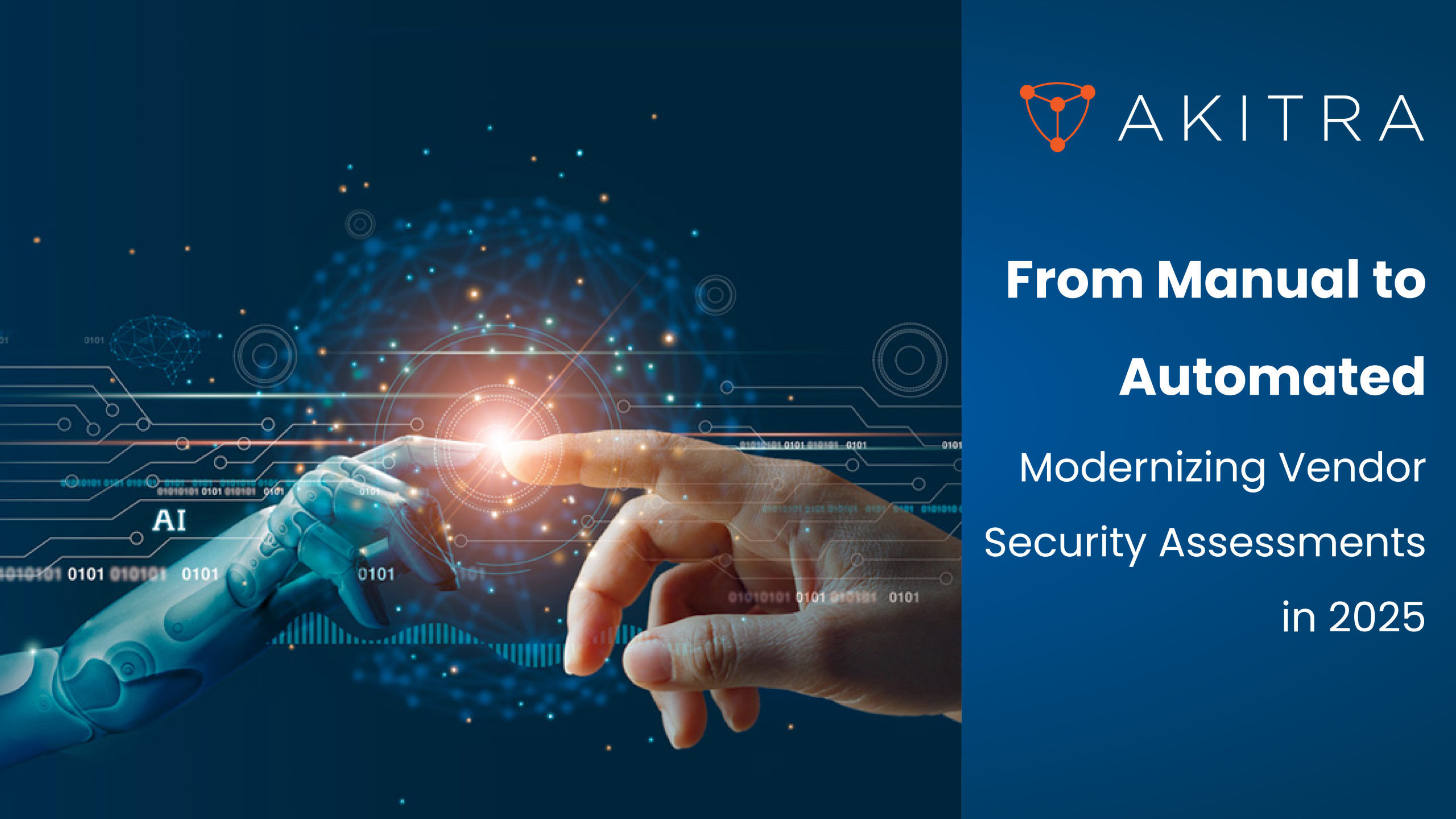
In today’s fast-evolving digital landscape, businesses must stay ahead of emerging cybersecurity risks, especially when it comes to managing third-party vendors. Traditionally, vendor security assessments have been manual, time-consuming, and prone to human error. However, as the cybersecurity threat landscape becomes increasingly complex, businesses can no longer afford to rely on outdated methods. Enter automated solutions. In 2025, modernizing vendor security assessments is not just a luxury; it’s a necessity.
This blog delves into how automating vendor security assessment questionnaires can streamline processes, reduce risks, and ultimately improve your organization’s cybersecurity posture. We’ll explore the transition from manual to automated assessments, the benefits of modernizing your approach, and the best practices to adopt moving forward.
Understanding Vendor Security Assessments: The Need for Automation
A vendor security assessment is a critical process that helps businesses assess the security risks posed by third-party vendors. Typically, organizations rely on vendor security assessment questionnaires to collect information about vendors’ security practices, policies, and controls. These questionnaires often include questions about data protection, network security, disaster recovery, and other key areas of cybersecurity.
Traditionally, these assessments were conducted manually. Security teams would send out lengthy questionnaires, track responses via spreadsheets, and evaluate each vendor’s security posture by reviewing detailed answers. However, this process is time-consuming, error-prone, and inefficient, especially as the number of vendors grows.
In 2025, organizations are realizing the need for automation to enhance efficiency and accuracy. Automated vendor security assessments use specialized software to streamline the process. These tools help businesses evaluate multiple vendors simultaneously, reduce human error, and ensure that compliance requirements are met more efficiently.
The Challenges of Manual Vendor Security Assessments
Before we dive into the benefits of automation, it’s important to understand the challenges that organizations face with manual vendor security assessments:
- Time-Consuming: Manually reviewing vendor security questionnaires is time-consuming. Each assessment can take hours to review, and if you have hundreds of vendors, this can become a major bottleneck.
- Human Error: Relying on spreadsheets and manual processes introduces the risk of human error. Vendors’ responses may be misinterpreted, and security gaps may go unnoticed, leading to a potential security breach.
- Lack of Visibility: Manual assessments often lack the centralized, real-time data that businesses need to make informed decisions. Without a clear view of vendor security posture, businesses can’t respond quickly to potential risks.
- Compliance Risks: Compliance standards are constantly evolving, and keeping track of all requirements for each vendor can become overwhelming. Manual tracking increases the risk of missing critical compliance requirements, leading to legal and financial repercussions.
The Case for Automating Vendor Security Assessments
Now that we understand the challenges of manual assessments, let’s look at the benefits of automating the vendor security assessment questionnaire process.
1. Efficiency Gains
Automation dramatically speeds up the assessment process. Vendor security questionnaires can be sent, received, and evaluated within hours or days, rather than weeks, with manual methods. Automated systems can track responses, provide real-time analysis, and flag issues that require attention. This reduction in time allows security teams to focus on more strategic tasks.
2. Reduced Human Error
Manual processes are inherently prone to human error. Whether it’s misinterpreting a vendor’s response or failing to keep up with the latest compliance requirements, mistakes can have severe consequences. With automated assessments, the chances of errors are significantly reduced, ensuring more accurate results.
3. Real-Time Monitoring and Insights
Automation provides continuous monitoring of your vendors’ security posture. Unlike manual assessments, which become outdated as soon as they’re completed, automated solutions offer real-time insights. These tools can track changes to vendor responses, alert you to potential risks, and ensure your vendors are always aligned with your security and compliance requirements.
4. Better Compliance Management
Compliance requirements, such as GDPR, SOC 2, and ISO 27001, are constantly evolving. Manually keeping up with these changes and ensuring that your vendors comply is a daunting task. Automated vendor security assessment solutions can be configured to track and ensure compliance with these frameworks, reducing the burden on your security team and minimizing the risk of compliance gaps.
5. Scalability
As businesses grow, so does their vendor ecosystem. Managing security assessments manually becomes increasingly difficult as the number of vendors increases. Automated tools enable scalable solutions that handle a large volume of assessments without sacrificing quality or efficiency.
How Automated Vendor Security Assessments Work
Automated vendor security assessments rely on specialized tools and software that streamline the process from start to finish. Here’s how they typically work:
- Questionnaire Generation: Automated tools generate customized security questionnaires based on your organization’s specific requirements and the type of vendor you’re assessing. These questionnaires can be tailored to meet different compliance standards and industry-specific needs.
- Response Collection: Vendors respond to these questionnaires directly through the platform, eliminating the need for email correspondence and manual tracking. The software organizes and stores these responses in a centralized system.
- Risk Assessment and Analysis: Once the responses are collected, the automated tool analyzes them against predefined security standards, compliance requirements, and risk metrics. It identifies potential security gaps and issues in vendor responses, flagging them for further review.
- Reporting and Documentation: After the analysis, the tool generates detailed reports that summarize the vendor’s security posture and highlight any areas of concern. These reports can be easily shared with stakeholders and auditors.
- Continuous Monitoring: Many modern automated solutions also offer ongoing monitoring, ensuring that any changes in vendor security practices are detected in real-time. This helps to maintain constant compliance and mitigate emerging risks.
Best Practices for Automating Vendor Security Assessments
To ensure the successful implementation of an automated vendor security assessment process, consider the following best practices:
- Choose the Right Tool: Not all vendor security assessment tools are created equal. Choose a solution that integrates with your existing systems and supports the specific compliance frameworks that are relevant to your organization.
- Tailor Your Questionnaires: Customize them to suit your organization’s needs. Different vendors may have different security requirements, so make sure your assessments are comprehensive and targeted.
- Involve Relevant Stakeholders: While automation can streamline the process, it’s still important to involve key stakeholders in the assessment process. Ensure the security, compliance, and legal teams are aligned on vendor security requirements and risk criteria.
- Review Regularly: Automated assessments should be an ongoing process. Regularly review your vendor’s security posture to ensure that they continue to meet your organization’s standards and compliance requirements.
- Integrate with Other Systems: Integration with other systems, such as risk management and compliance tools, can help you build a more comprehensive vendor security strategy. This will allow you to track vendor performance across multiple platforms and generate unified reports.
In conclusion, transitioning from manual to automated vendor security assessment questionnaires is crucial for businesses in 2025. Automation enhances efficiency, reduces errors, and ensures continuous compliance, enabling organizations to manage third-party risks better. By adopting the right tools and best practices, businesses can streamline their vendor assessments, improve their security posture, and stay ahead in an increasingly complex cybersecurity landscape. Embrace automation today to future-proof your vendor management processes and ensure a more secure and compliant tomorrow.
Security, AI Risk Management, and Compliance with Akitra!
In the competitive landscape of SaaS businesses, trust is paramount amidst data breaches and privacy concerns. Akitra addresses this need with its leading Agentic AI-powered Compliance Automation platform. Our platform empowers customers to prevent sensitive data disclosure and mitigate risks, meeting the expectations of customers and partners in the rapidly evolving landscape of data security and compliance. Through automated evidence collection and continuous monitoring, paired with customizable policies, Akitra ensures organizations are compliance-ready for various frameworks such as SOC 1, SOC 2, HIPAA, GDPR, PCI DSS, ISO 27001, ISO 27701, ISO 27017, ISO 27018, ISO 9001, ISO 13485, ISO 42001, NIST 800-53, NIST 800-171, NIST AI RMF, FedRAMP, CCPA, CMMC, SOX ITGC, and more such as CIS AWS Foundations Benchmark, Australian ISM and Essential Eight etc. In addition, companies can use Akitra’s Risk Management product for overall risk management using quantitative methodologies such as Factorial Analysis of Information Risks (FAIR) and qualitative methods, including NIST-based for your company, Vulnerability Assessment and Pen Testing services, Third Party Vendor Risk Management, Trust Center, and AI-based Automated Questionnaire Response product to streamline and expedite security questionnaire response processes, delivering huge cost savings. Our compliance and security experts provide customized guidance to navigate the end-to-end compliance process confidently. Last but not least, we have also developed a resource hub called Akitra Academy, which offers easy-to-learn short video courses on security, compliance, and related topics of immense significance for today’s fast-growing companies.
Our solution offers substantial time and cost savings, including discounted audit fees, enabling fast and cost-effective compliance certification. Customers achieve continuous compliance as they grow, becoming certified under multiple frameworks through a single automation platform.
Build customer trust. Choose Akitra TODAY!To book your FREE DEMO, contact us right here.
FAQ’S
How can automation improve vendor security assessments?
Automation improves vendor security assessments by speeding up the process, reducing human error, providing real-time monitoring, ensuring compliance, and offering scalability as the number of vendors increases.
Are automated vendor security assessments more cost-effective?
Yes, automating vendor security assessments reduces manual labor, minimizes errors, and accelerates the process, ultimately lowering the overall cost of managing vendor security and compliance.
What are the risks of not automating vendor security assessments?
Without automation, organizations risk delays, human error, incomplete assessments, missed compliance requirements, and increased security vulnerabilities.
How often should vendor security assessments be conducted?
Vendor security assessments should be conducted regularly, especially when there are changes to the vendor relationship, compliance requirements, or security threats. Automated systems can help maintain continuous monitoring and ongoing assessments.